
Search
Modifications to diagnostic criteria and introduction of genetic testing have likely affected the pattern and timing of Rett syndrome diagnosis...
This study aimed to investigate the trajectories over time of health status and health service use in Rett syndrome by mutation...
This study measured use and cost of health sector and related services in Rett syndrome and effects of socio-demographic, clinical severity and genetic factors
This study used densitometry to investigate the areal bone mineral density (aBMD) and bone mineral content (BMC) in an Australian Rett syndrome cohort...
Loss of hand function is a core feature of Rett syndrome. This article describes longitudinal hand function at 3 time points for 72 subjects participating...
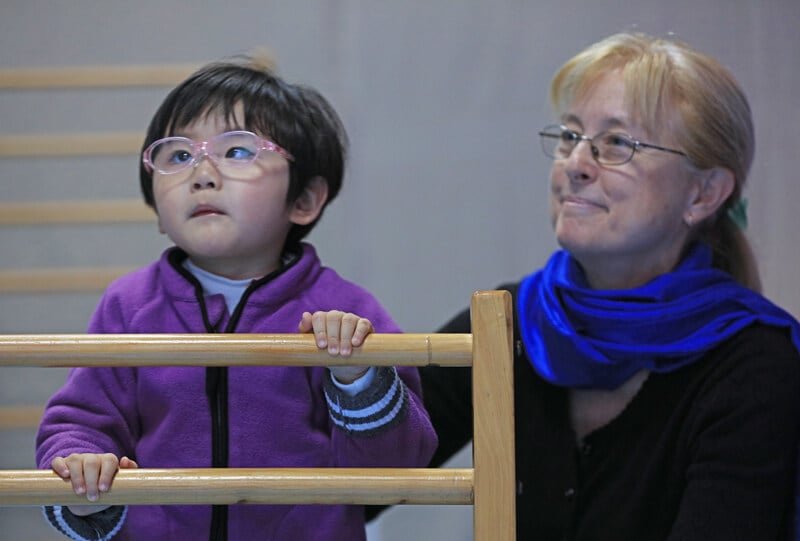
A program developed by The Kids Research Institute Australia researcher Dr Jenny Downs has led to dramatic improvements in the functioning of Chinese children with Rett syndrome, and could change the world.
A research collaboration between Australia and Israel has identified a genetic variation that influences the severity of symptoms in Rett syndrome.
New guidelines a model for better management of rare conditions
Girls and young women with Rett syndrome are nearly four times more likely to suffer a fracture.
A new study has found that the genetic flaw responsible for Rett syndrome can strike males, even where there isn't a family history of the rare brain disorder.