
Search
The Lililwan Project was the first Australian population-based prevalence study of fetal alcohol spectrum disorder (FASD) using active case ascertainment. Conducted in 2010-2011, the study included 95% of all eligible children aged 7-9 years living in the very remote Aboriginal communities of the Fitzroy Valley, Western Australia.
Fetal Alcohol Spectrum Disorder (FASD) is a condition caused by prenatal exposure to alcohol and characterised by severe neurodevelopmental impairment which have lifelong implications. Impairments in executive function, memory, cognition, language and attention are common, and can lead to early and repeat engagement with the criminal justice system.
Neurodevelopmental impairments resulting from Foetal Alcohol Spectrum Disorder (FASD) can increase the likelihood of justice system involvement. This study compared offence characteristics in young people with FASD to demographically matched controls (n = 500) in Western Australia.
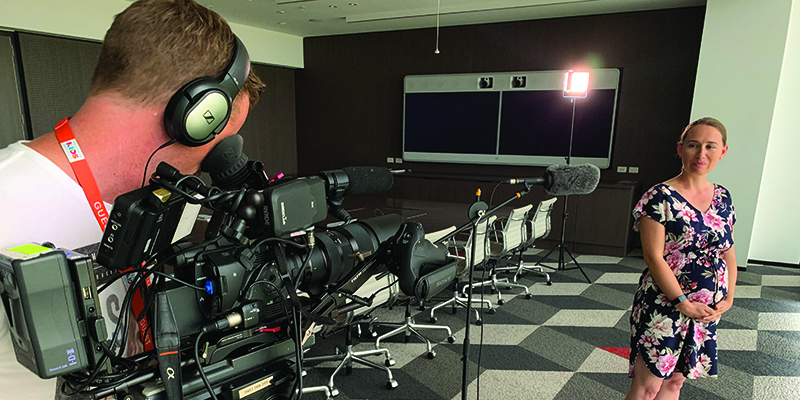
A screening tool to help midwives and other health professionals contribute to the prevention of FASD is changing maternity practice across WA public hospitals.

Following strong evidence and lobbying by The Kids Research Institute Australia researchers and others, labels to warn women about the risks of drinking during pregnancy are to become mandatory on all alcohol sold in Australia and New Zealand.

A $5 million commitment from BHP has allowed The Kids researchers and Aboriginal communities to make FASD history in the Pilbara.
Drawing on previous research, caseload midwifery has potential to support the prevention of fetal alcohol spectrum disorder through continuity of care
The Australian Guide to the Diagnosis of fetal alcohol spectrum disorder (FASD), developed in 2016, is currently under review. This study aimed to understand how the Guide is used in practice and identify factors influencing its implementation.
Reporting bias may contribute to ambiguous and conflicting findings on fetal effects of low to moderate pregnancy alcohol exposure.
The use of standard methods to identify when to refer individuals who may have FASD for specialist assessment could help improve the identification of this...