
Search
Showing results for "clinikids"
The objective was to describe the prevalence and risk factors of recurrent otitis media (rOM) in an urban Australian population at 3 years of age.
This paper is a correction of an earlier report that identified a link between exposure to high levels of testosterone during pregnancy and reduced head...
The objective was to determine the association between maternal serum 25(OH)-vitamin D concentrations and behavioural, emotional and language outcomes...
The aim was to characterise fetal brain growth in children with specific language impairment (SLI). A nested case-control study was set in Perth, WA.
Birth order effects have been linked to variability in intelligence, educational attainment and sexual orientation. First- and later-born children have been linked to an increased likelihood of an Autism Spectrum Disorder (ASD) diagnosis, with a smaller body of evidence implicating decreases in cognitive functioning with increased birth order.
Birth order effects have been linked to variability in intelligence, educational attainment and sexual orientation. First- and later-born children have been linked to an increased likelihood of an Autism Spectrum Disorder (ASD) diagnosis, with a smaller body of evidence implicating decreases in cognitive functioning with increased birth order. The present study investigated the potential association between birth order and ASD diagnostic phenotypes in a large and representative population sample.
A pre-emptive intervention for the autism spectrum disorder prodrome had no immediate treatment effect on early autism spectrum disorder symptoms
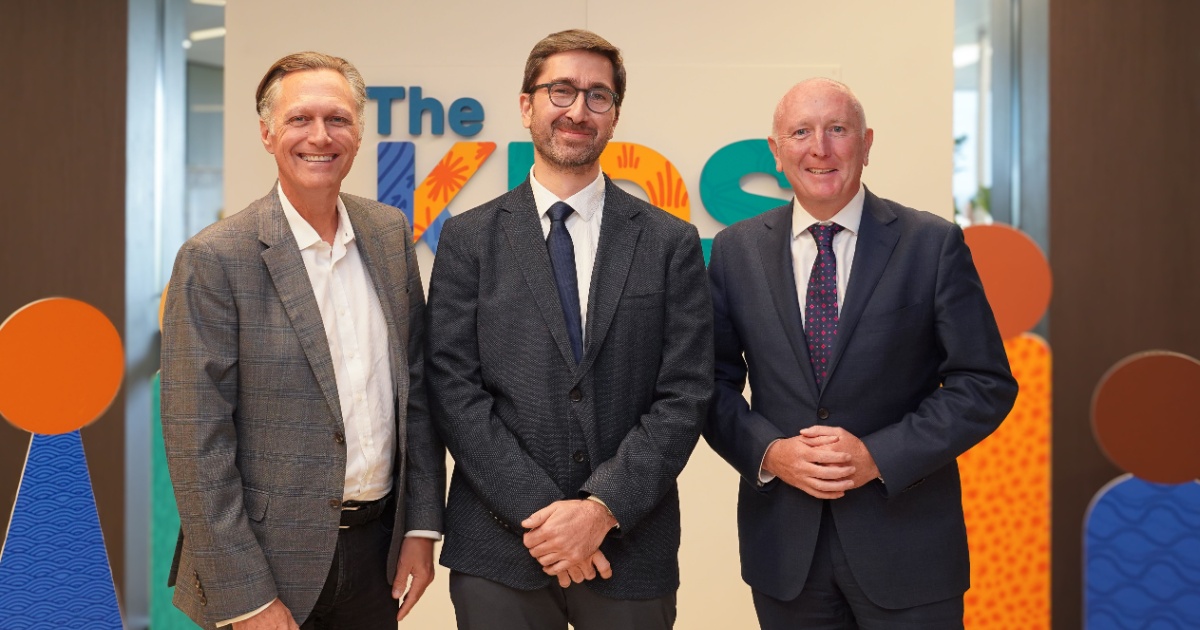
A leading autism scientist has relocated to Perth to take up a new appointment at The Kids Research Institute Australia, thanks to a program designed to attract world-class health researchers to Western Australia.
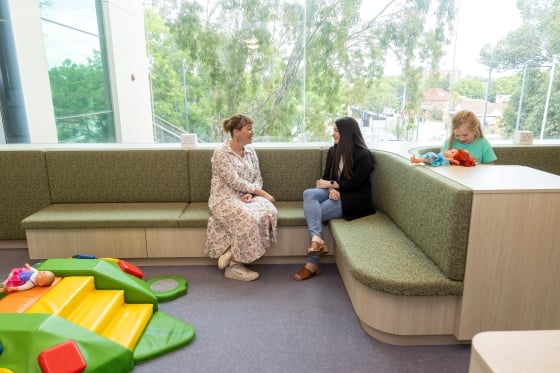
In this blog, Occupational Therapy Clinical Lead Marie Rodatz discusses the elements needed to create a neuro-affirming environment that supports neurodiverse individuals.
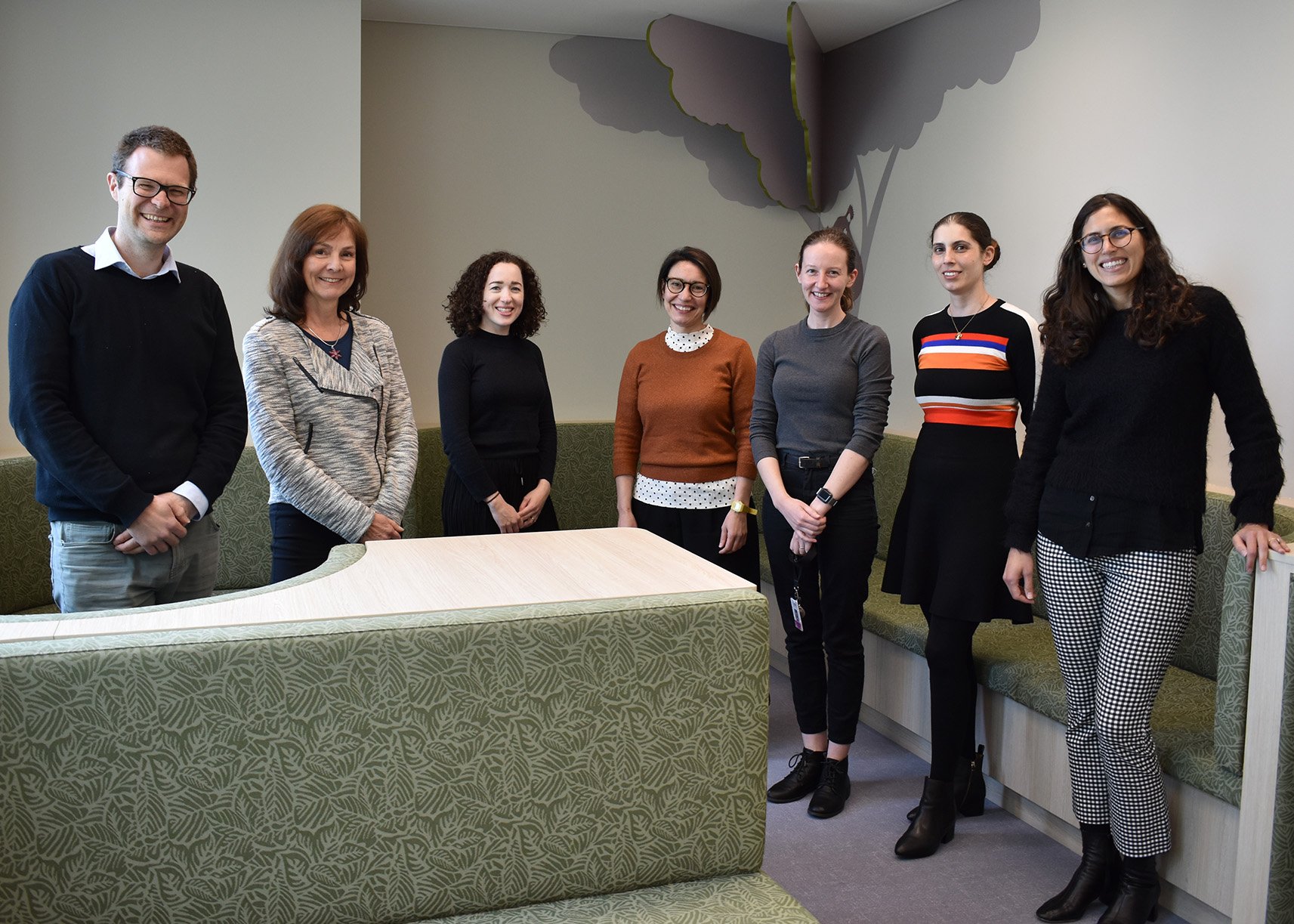
For Speech Pathology Week, we asked our speech pathologists to share their favourite resource/s and how they like to use it.