
Search
Showing results for "clinikids"
A pre-emptive intervention for the autism spectrum disorder prodrome had no immediate treatment effect on early autism spectrum disorder symptoms
Birth order effects have been linked to variability in intelligence, educational attainment and sexual orientation. First- and later-born children have been linked to an increased likelihood of an Autism Spectrum Disorder (ASD) diagnosis, with a smaller body of evidence implicating decreases in cognitive functioning with increased birth order. The present study investigated the potential association between birth order and ASD diagnostic phenotypes in a large and representative population sample.
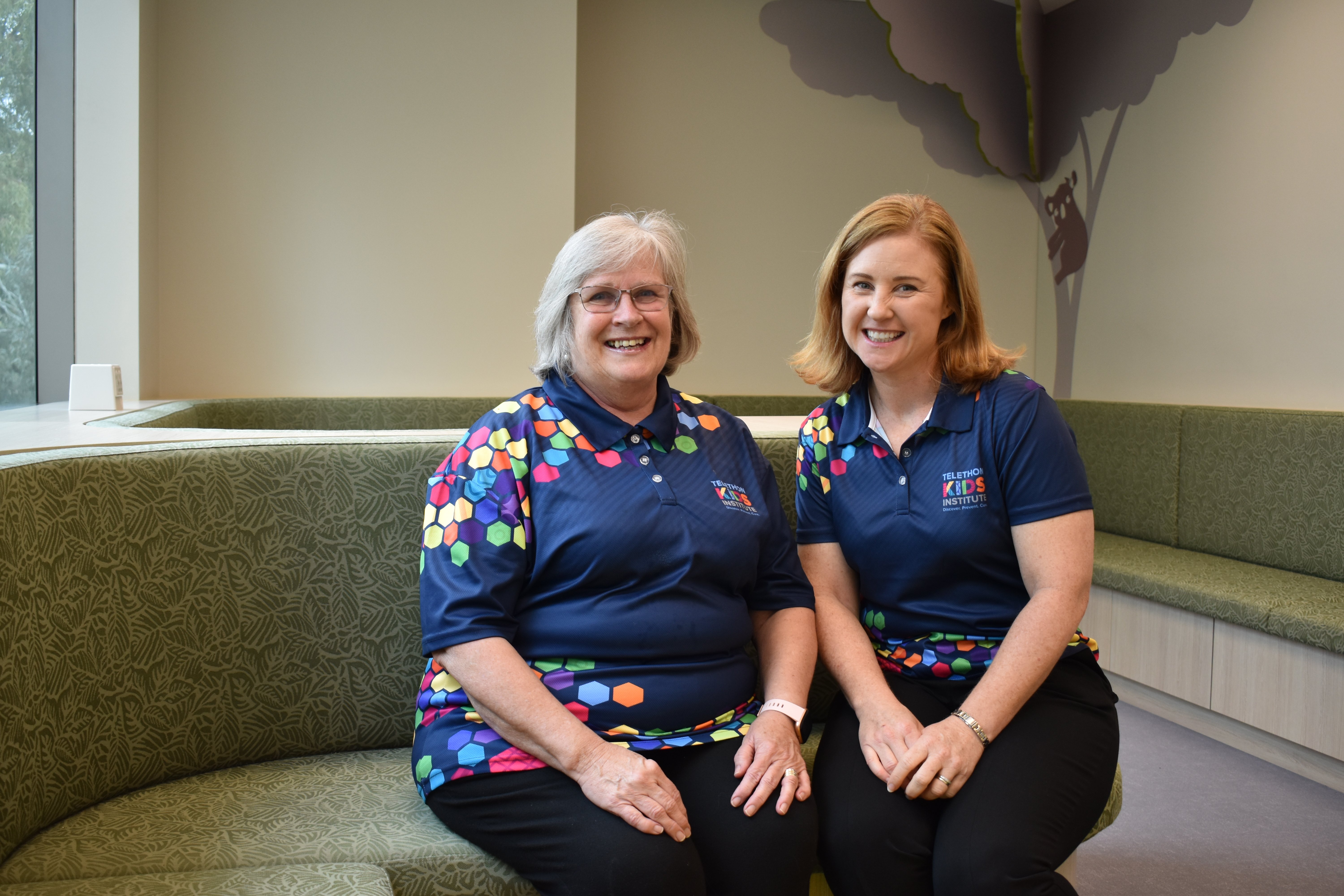
CliniKids recently welcomed Gayle, Tarryn and Emma to the clinical team. The clinicians will be located out our new Joondalup clinic, which will be welcoming families in Term 4.
Fetal androgens influence fetal growth as well as postnatal neurocognitive ability.
The objective was to describe the prevalence and risk factors of recurrent otitis media (rOM) in an urban Australian population at 3 years of age.
This paper is a correction of an earlier report that identified a link between exposure to high levels of testosterone during pregnancy and reduced head...
The objective was to determine the association between maternal serum 25(OH)-vitamin D concentrations and behavioural, emotional and language outcomes...
The aim was to characterise fetal brain growth in children with specific language impairment (SLI). A nested case-control study was set in Perth, WA.
Sex-specific developmental differences in brain structure have been documented in older children and adolescents, with females generally showing smaller overall brain volumes and earlier peak ages than males. However, sex differences in gray matter structural development in early childhood are less studied. We characterized sex-specific trajectories of gray matter volume development in children aged 2–8 years.

The MINERvA Network will allow more accurate and precise determination of the contributions of familial and environmental factors to the etiology of autism.