
Search
Streptococcus pyogenes (Group A Streptococcus, Strep A) is a Gram-positive bacterium and one of the most significant global bacterial pathogens, with disproportionate disease burden affecting low and middle-income countries. Despite substantial mortality and immune sequelae caused by Strep A, no licensed vaccines exist, and correlates of protection remain unestablished.
During winter months of temperate regions, concurrent epidemics of multiple respiratory pathogens can occur, causing periods of increased clinical burden. Case time series, which are predominantly used to monitor infection levels, can exhibit substantial noise and day-of-the-week effects, limiting the visual interpretation of trends in raw data.
Although uncommon, invasive meningococcal disease (IMD) results in death in 5%-10% of cases in healthy children and adolescents. This study aimed to examine demographics, clinical presentation, treatment and outcomes of Australian children hospitalized with IMD during the introduction of the meningococcal vaccine program, overall and by serogroup/disease severity.
Infants born before 28 weeks' gestation account for approximately 75% of neonatal morbidity and mortality. Late-onset sepsis (LOS) affects around 25% of these infants and is associated with an increased risk of adverse long-term outcomes. The topical application of coconut oil has been used for centuries in newborn care. Coconut oil is rich in saturated fatty acids, several of which have demonstrated antimicrobial properties. It is considered safe for extremely preterm infants, improves skin condition and may reduce the incidence of LOS.
Inadequate housing and living conditions underpin significant health and wellbeing inequality in Australia, particularly for Indigenous people. This review aimed to define infectious disease (ID) outcomes used to measure the health impact of inadequate housing in Australia within a research context.
In the austral summer of 2021-2022, Australia experienced an unprecedented Japanese encephalitis virus (JEV) outbreak, with detections over 3000 km south of previous occurrences. Given the limited knowledge of JEV transmission ecology in Australia, we developed geospatial models of transmission risk to support the public health response. We created time-varying habitat suitability models for suspected mosquito vectors and ardeid hosts using month-scaled occurrence and covariate data from 2000-2023.

Measles is a highly contagious infectious disease that can cause severe, long-term complications in children.
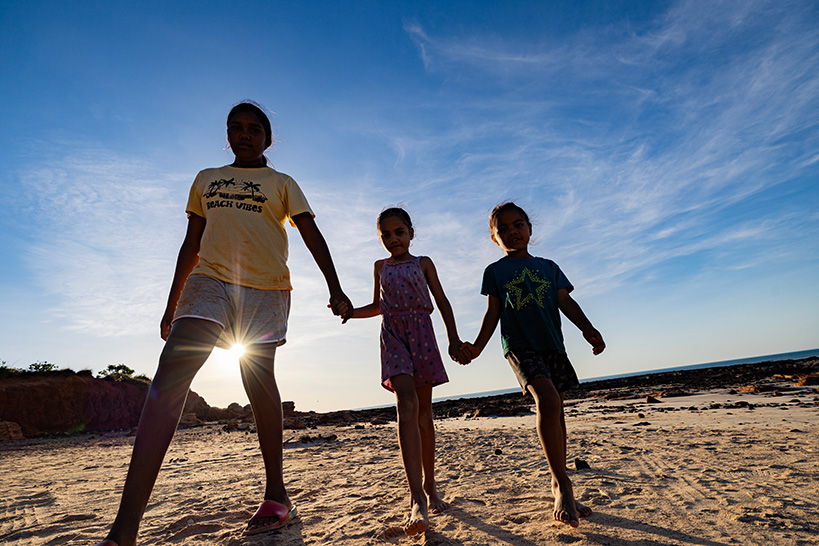
Aboriginal health is everyone's business. The needs of Aboriginal and Torres Strait Islander families and kids is integrated into all relevant areas of our work. Improving the health and wellbeing of Aboriginal and Torres Strait Islander kids and families is an overarching priority for every team at The Kids.
Since their first detection in 2010, Plasmodium falciparum malaria parasites lacking the P. falciparum histidine-rich protein 2 gene (pfhrp2) have been observed in 40 of 47 surveyed countries, as documented by the World Health Organization. These genetic deletions reduce detection by the most widely used rapid diagnostic tests, prompting three countries to switch to alternative diagnostics.
Convalscent plasma (CP) was identified as a potential therapy for COVID-19 available early in the pandemic.