
Search
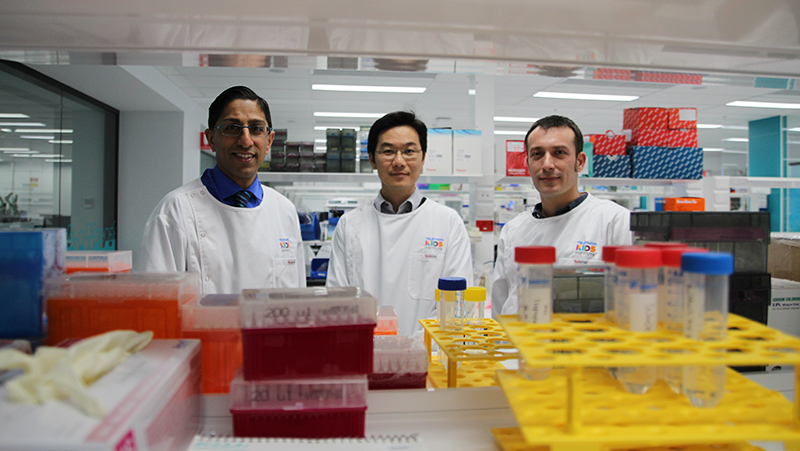
Kids born with Down syndrome are at high risk of an array of health problems. One of the lesser-known complications is their increased risk of childhood leukaemia.

Congratulations to three outstanding The Kids Research Institute Australia researchers who have received second chance WA health funding designed to support researchers who have narrowly missed out on highly competitive national funding.

Dr Nick Gottardo, Co-Head of The Kids Research Institute Australia's Brain Tumour Research Team, has been announced a nominee for the 2018 WA Australian of the Year Award
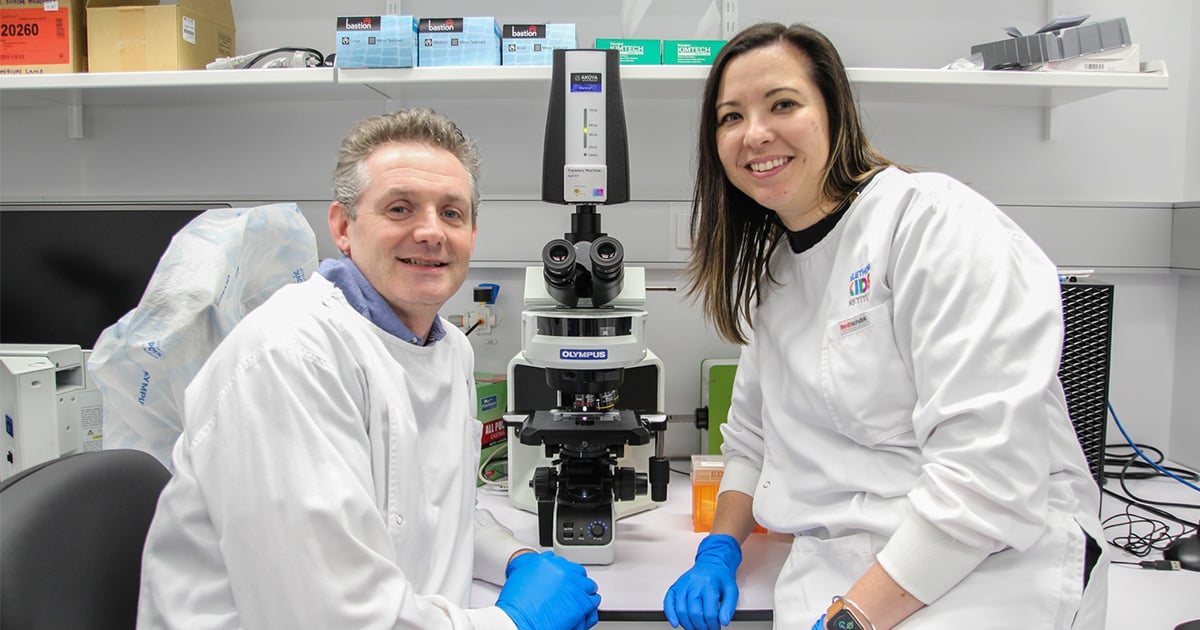
The WA Kids Cancer Centre has secured $1.1 million in funding from the Medical Research Future Fund’s (MRFF) Paediatric Brain Cancer Research Stream 2 to develop more effective and less toxic treatments for rare brain cancers in infants.
Cancers in children are very different from cancers in adults - in most cases they appear to strike simply at random. They also develop differently and can spread more rapidly and aggressively. And because cancers in children are not obviously linked to their lifestyles, much work is needed to pinpoint their cause.

Beacon would not have been made possible without the generous support and collaborations of the following organisations.
Strong evidence supports our current understandings of student bullying behaviours and ways schools can prevent and respond effectively to bullying behaviour. In the late 1990’s, however, little was understood about the most effective ways to reduce bullying in Australian schools. In response to schools’ need for evidence-informed action, a pipeline of research called Friendly Schools was initiated in 1999 which for the past twenty years, has provided robust whole-school evidence-based knowledge and skills to support policy makers, school staff and other practitioners working in schools and families across Australia.
Atopic diseases are the most common chronic conditions of childhood. The apparent rise in food anaphylaxis in young children over the past three decades is of particular concern, owing to the lack of proven prevention strategies other than the timely introduction of peanut and egg.
This study aimed to assess olfactory dysfunction in patients at six months after confirmed coronavirus disease 2019 infection. Coronavirus disease 2019 positive patients were assessed six months following diagnosis. Patient data were recoded as part of the adapted International Severe Acute Respiratory and Emerging Infection Consortium Protocol. Olfactory dysfunction was assessed using the University of Pennsylvania Smell Identification Test.
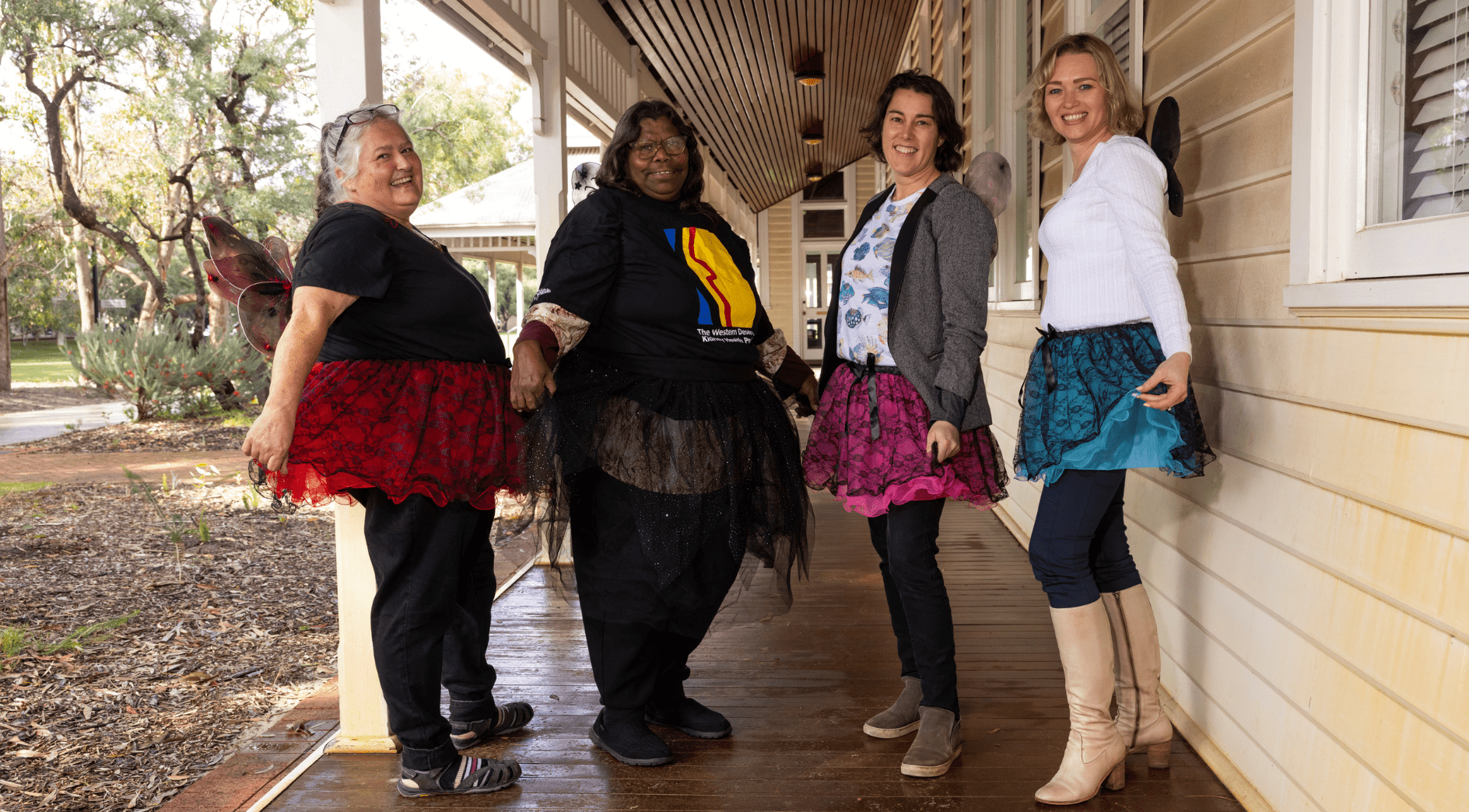
This Australian-first study will simultaneously identify childhood exposure to heavy metals in regional and remote communities and provide these communities with training in drinking water quality, STEM and dental hygiene.