
Search
Showing results for "clinikids"
Parent-child interactions (PCI) in infants with an elevated likelihood (EL) of autism start to diverge from other infants toward the end of the first year. This divergence is often attributed to emerging features of autism impacting infant social interactions in ways that become increasingly amplified. The aim was to identify which, if any, 12-month autism features were associated with later PCI qualities.
Research from large population-based studies investigating the language and academic outcomes for bilingual children is rare. The current study aimed to investigate the influence of dual language exposure on (i) English vocabulary outcomes at 5 years (126 bilinguals, 1675 monolinguals), and 10 years (vocabulary: 92 bilinguals, 1413 monolinguals:), and (ii) academic outcomes at 10 years (107 bilinguals, 1746 monolinguals).
Autism spectrum disorder (ASD) is a group of neurodevelopmental disorders which are more common in males. The 'prenatal sex steroid' hypothesis links excessive sex-steroid exposure during foetal life with the behavioural differences observed in ASD. However, the reason why sex steroid exposure may be excessive remains unclear. Epidemiological studies have identified several environmental risk factors associated with ASD, including developmental vitamin D (DVD) deficiency.
LiL' STEPS (Language development & Intervention Lab's SupporTing Early social-communication and language by Promoting caregiver Sensitive responsiveness) is a novel, manualized, caregiver-mediated early support program developed in India and delivered online for infants at elevated familial likelihood for autism. The program has been found to be feasible and acceptable. The preliminary efficacy of the LiL' STEPS program, which remains to be evaluated, was assessed in this study using a feasibility randomized controlled trial design.
Evidence suggests that the earlier supports are provided to young Autistic children, the better the overall outcomes. Supports have typically only been available after an autism diagnosis but with increased knowledge about early developmental trajectories, clinical supports can now be offered prediagnosis for infants showing early autism features and/or those with a family history of autism.
The aim of this study was to investigate the influence of children's autism characteristics, sensory profiles and feeding difficulties on caregiver-reported impact at mealtimes.
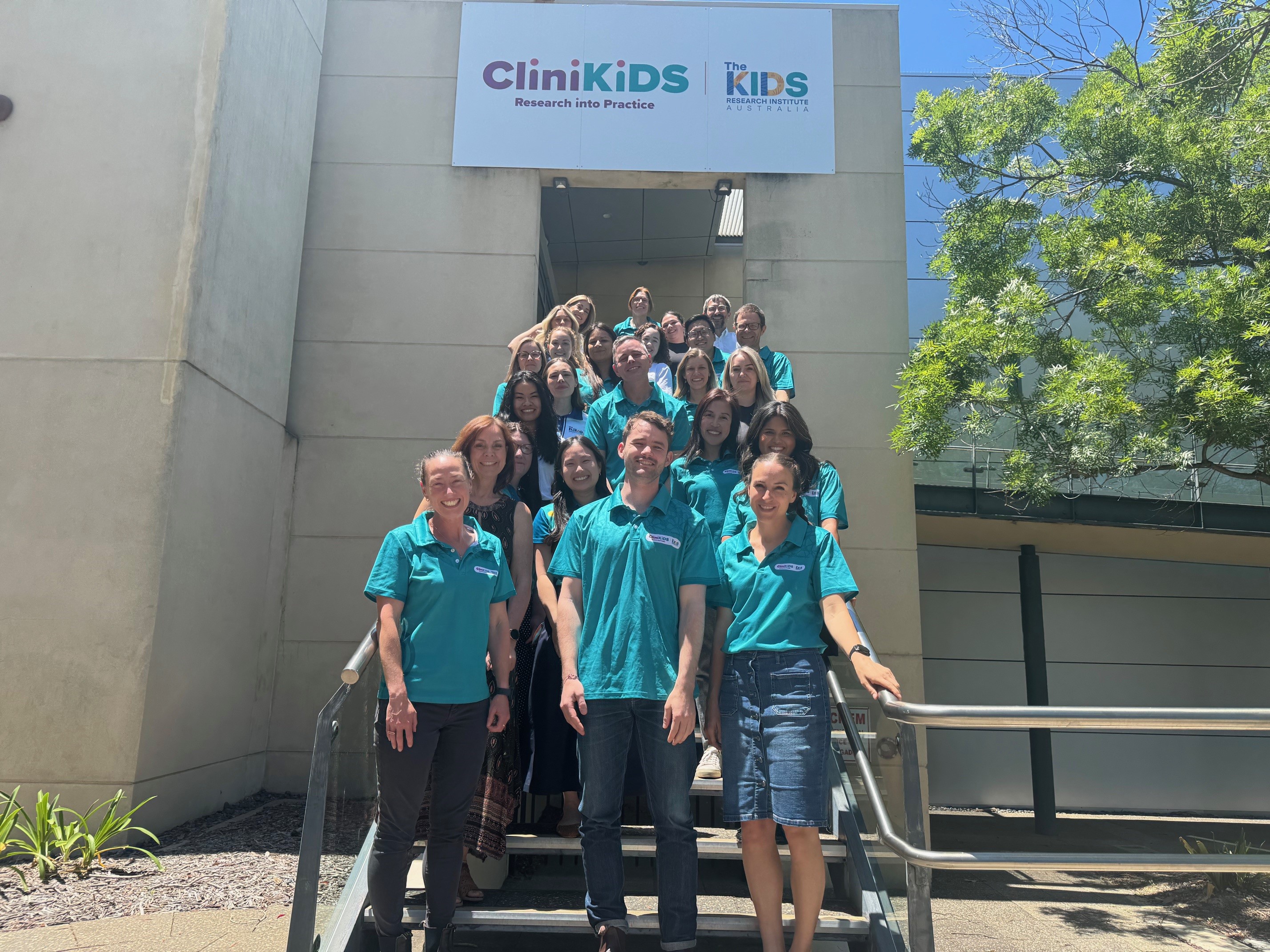
Here is a rundown of staff movements within the clinical team including new faces, staff returning from parental leave and a colleague we soon will farewell for an exciting new adventure.
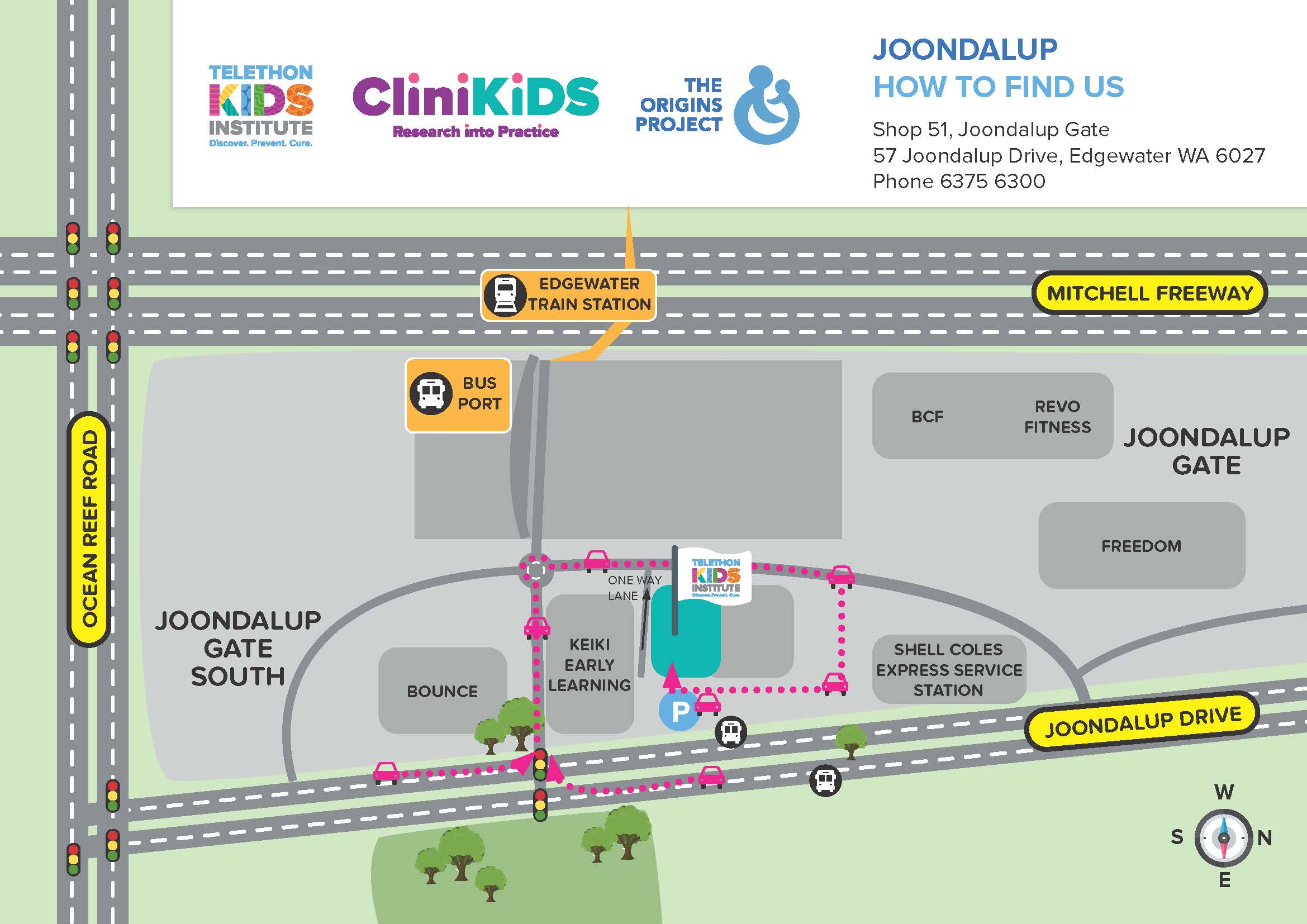
The Kids Joondalup will be the new home for the ORIGINS research and data teams
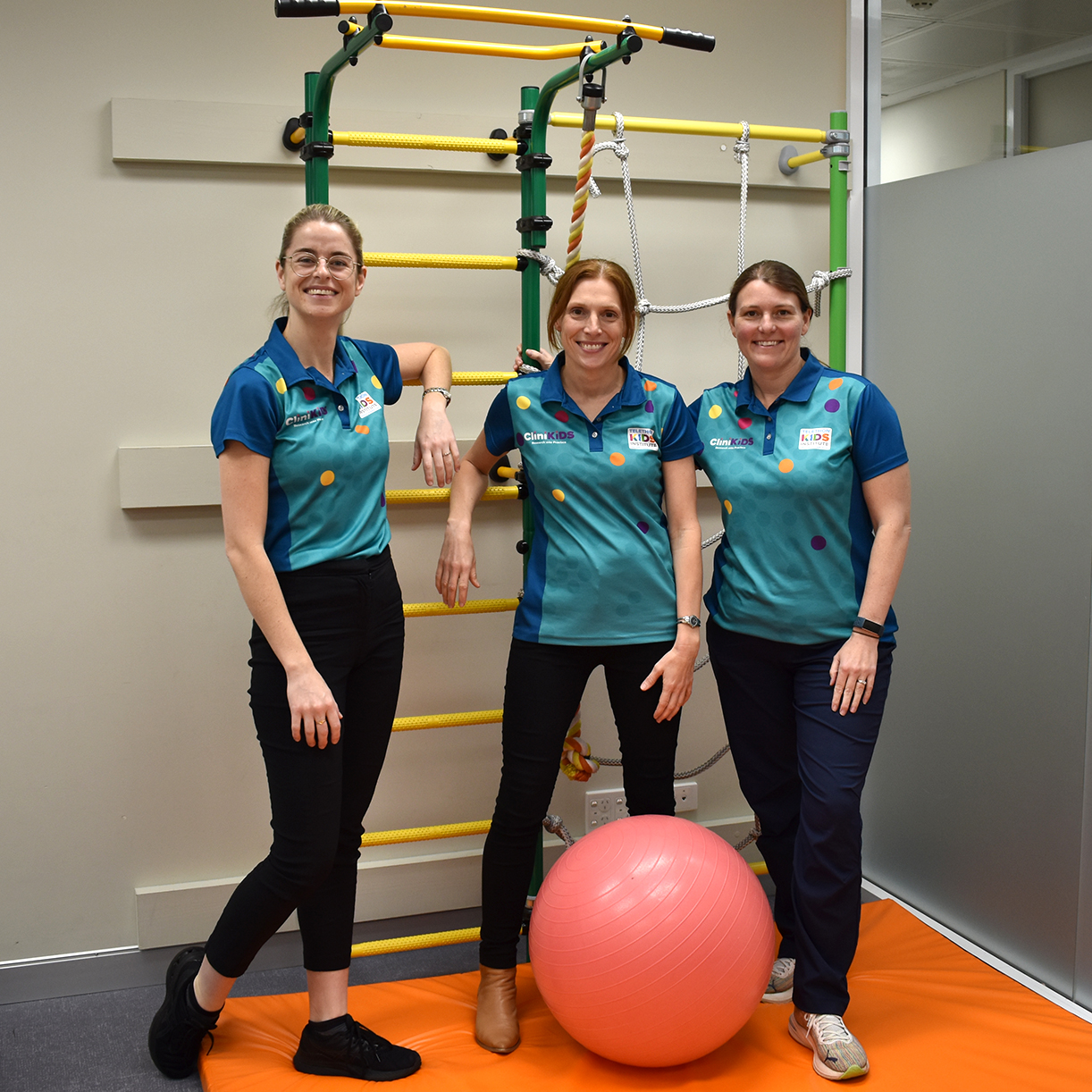
To celebrate World Occupational Therapy (OT) day, we asked our Occupational Therapists to describe what OT means to them.
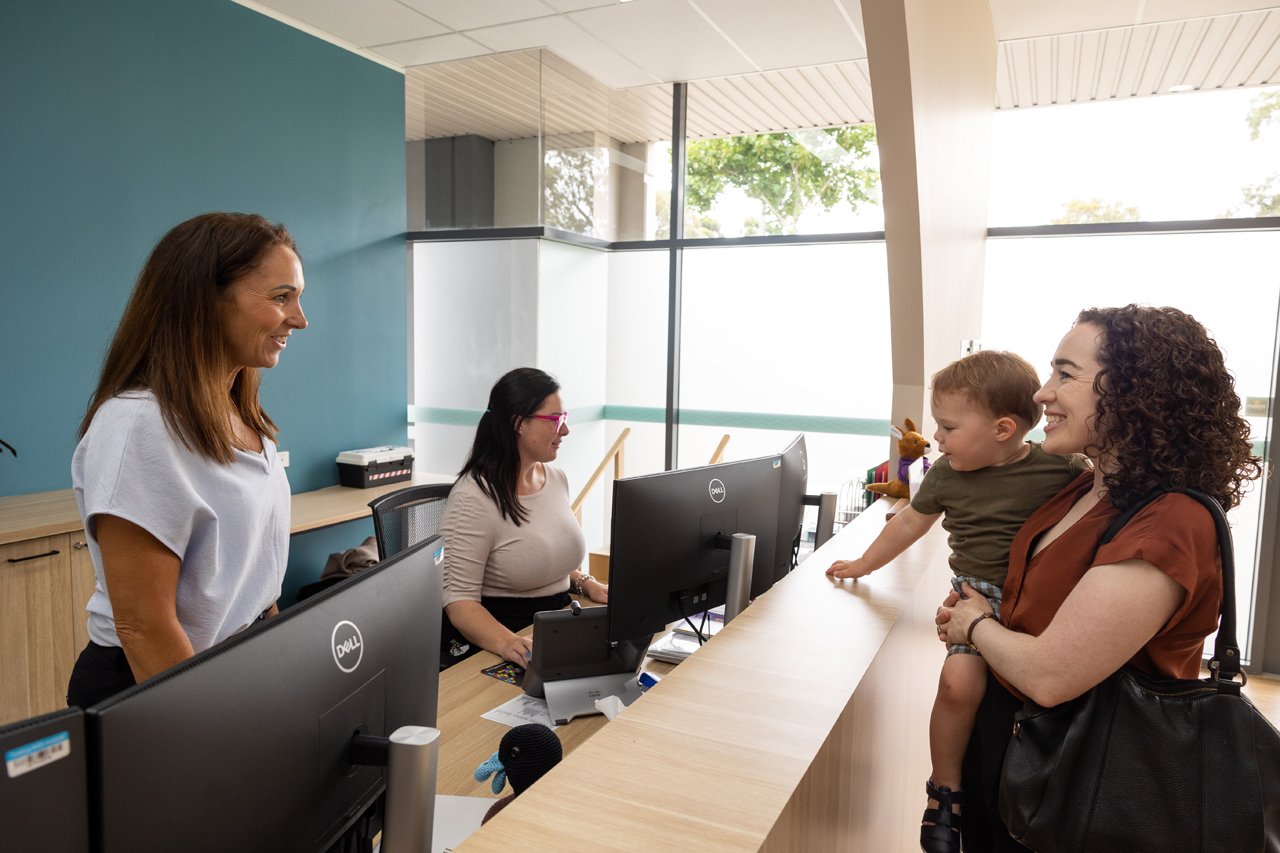
There is lots of news to report from the clinic including holiday shutdown dates, staff updates and service availability.