
Search
The Kids for Child Health Research will join more than 50 scientists from 36 research institutions around the world to improve early nutrition
Head of nutrition research at Perth's The Kids for Child Health Research named in the nation's top 10 health and medical researchers for 2010.
Link between healthy growth in the womb and improved numeracy and literacy skills in early primary school.
The health of Australia's children depends on a firm national commitment to implement the comprehensive strategy outlined by the Preventative Health Taskforce.
For the first time, the Australian Early Development Index (AEDI) has been completed nationally, giving Australia a snapshot of young children's development.
New research findings from the world's largest study predicting children's late language emergence has revealed that parents are not to blame for late talking
A ground breaking study of WA 5-year olds has found that more than a quarter of the children have developmental difficulties that could have life-long impacts.
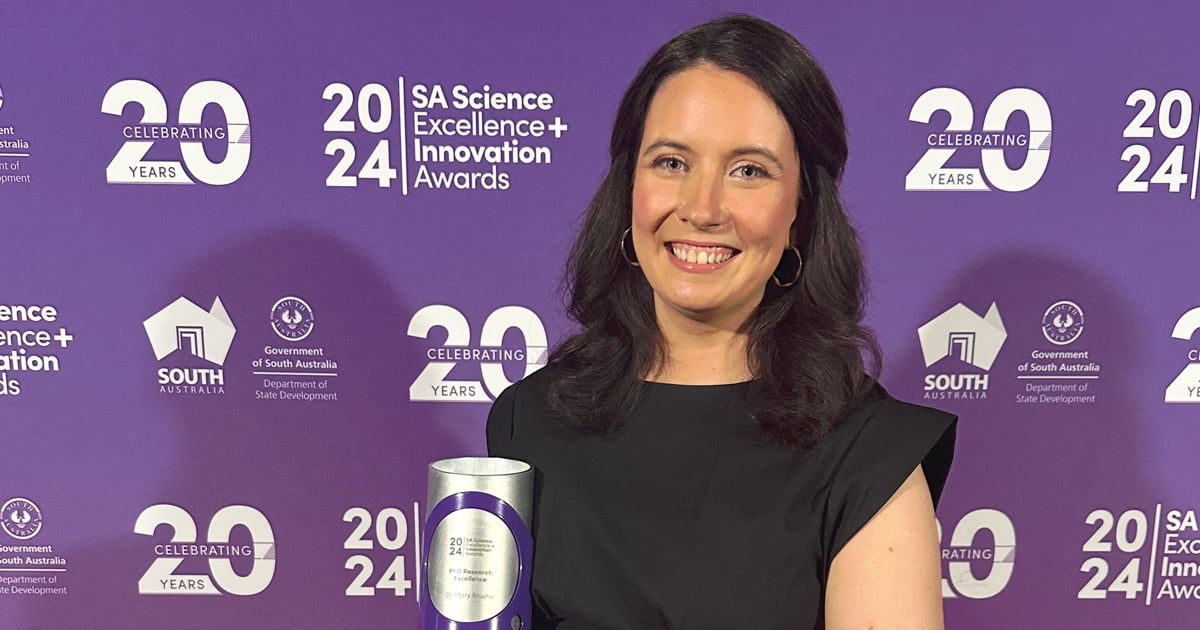
An early childhood researcher based at The Kids Research Institute Australia’s Adelaide office has been honoured at South Australia’s Science Excellence and Innovation Awards for her work revealing the link between screen time exposure and toddlers’ language development.
This project provides guidance to help school leaders review the evidence for different programs, as well as a review of universal, evidence-based pre-school and school-based social and emotional learning programs available in Australia.
The Life Course Centre is a national centre funded by the Australian Research Council Centre of Excellence Scheme and hosted through the University of Queensland with collaborating nodes at the University of Western Australia, Sydney University and University of Melbourne.