
Senior Research Fellow
Prevalence of overweight/obesity in children and youth with autism spectrum disorder, and associations between weight status and range of factors
This trial will determine the effectiveness of the TOBY App as a therapeutic complement to other early interventions children with ASD receive
Characterised by varying degrees of difficulties in communication skills and social abilities, one in every 100 individuals will have a diagnosis of…

Deputy Director (Research); Angela Wright Bennett Professor of Autism Research at The Kids Research Institute Australia; Director, CliniKids
Principal Research Fellow
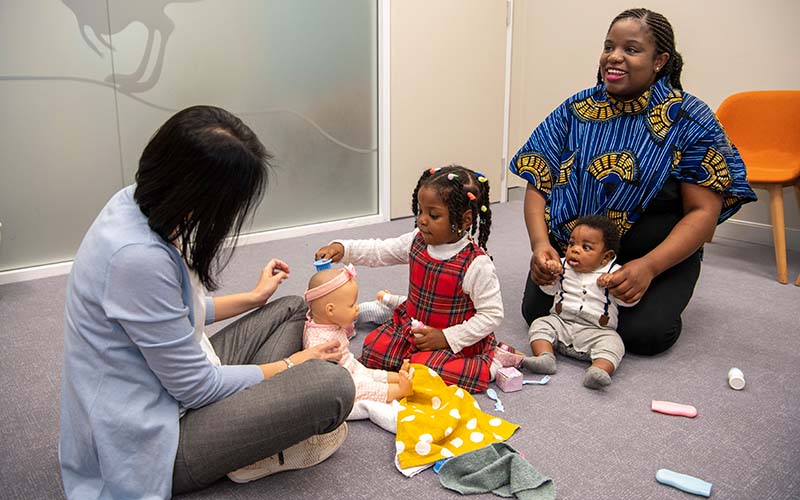
The Kids' autism research takes place at CliniKids, a centre that integrates world-class research with a clinical service for children with developme…
Reported practice of some professionals in Australia may not be consistent with international best practice guidelines for ASD diagnosis
Mothers of children with autism without ID had increased risk of cancer, which may relate to common genetic pathways