
Search
Detailed, comprehensive, and timely reporting on population health by underlying causes of disability and premature death is crucial to understanding and responding to complex patterns of disease and injury burden over time and across age groups, sexes, and locations. The availability of disease burden estimates can promote evidence-based interventions that enable public health researchers, policy makers, and other professionals to implement strategies that can mitigate diseases.
Future trends in disease burden and drivers of health are of great interest to policy makers and the public at large. This information can be used for policy and long-term health investment, planning, and prioritisation. We have expanded and improved upon previous forecasts produced as part of the Global Burden of Diseases, Injuries, and Risk Factors Study (GBD) and provide a reference forecast (the most likely future), and alternative scenarios assessing disease burden trajectories if selected sets of risk factors were eliminated from current levels by 2050.
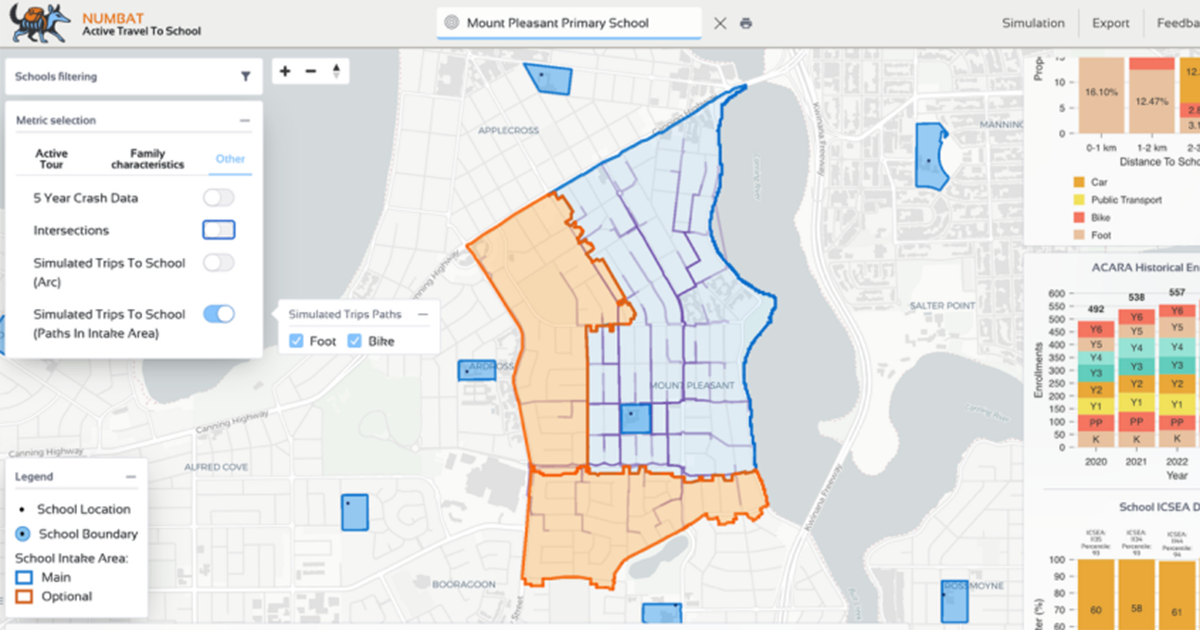
A powerful new digital modelling tool is helping tackle an emerging challenge in children’s health – the dramatic decline in walking and cycling to school.
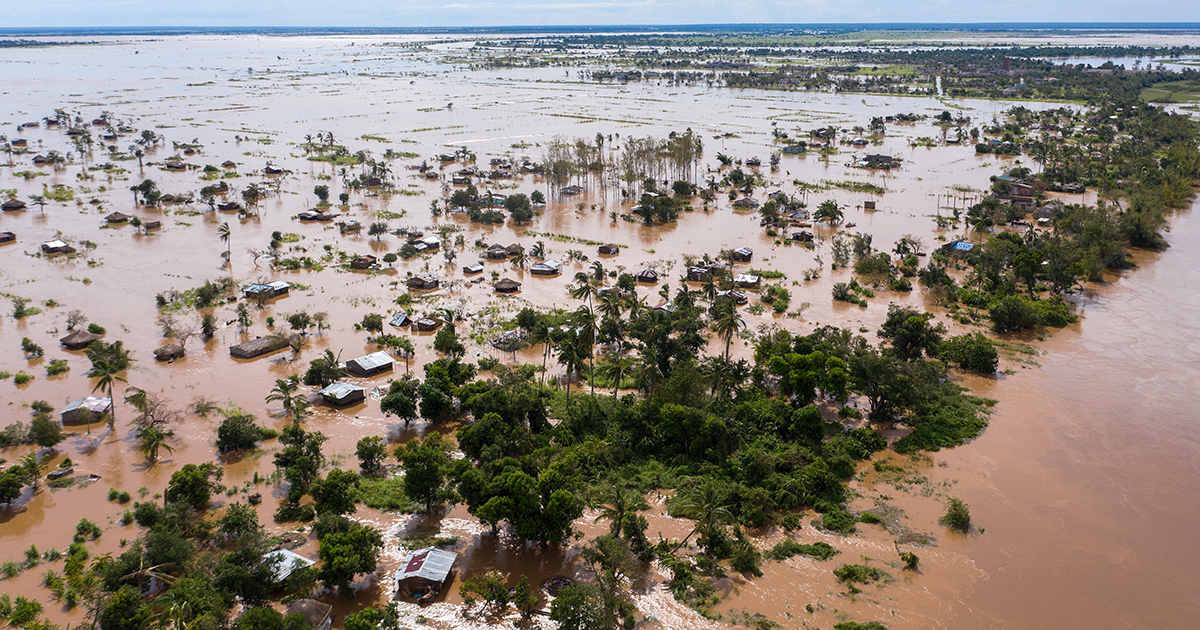
World-first research from The Kids Research Institute Australia and Curtin University predicts climate change could trigger more than 100 million additional malaria cases and 500,000 additional deaths in Africa by 2050, including substantial impacts on children.
Real-time analysis of epidemic trends and forecasts can help support public health planning and the response to seasonal respiratory disease. Here, we present two models that were used in a 2025 New Zealand winter situational assessment programme for three respiratory pathogens: SARS-CoV-2, influenza and respiratory syncytial virus (RSV). Data on SARS-CoV-2 were obtained from the national Covid-19 surveillance system; data on influenza and RSV were limited to a sentinel hospital surveillance programme.
Post-acute sequelae of COVID-19 (PASC), or long COVID, are a public health concern. While most recover from SARS-CoV-2 infections within weeks, some experience persistent symptoms. Here, we quantified the association between repeated SARS-CoV-2 infections and the risk of hospital-diagnosed PASC.
Disease spreading models such as the ubiquitous SIS compartmental model and its numerous variants are widely used to understand and predict the behavior of a given epidemic or information diffusion process. A common approach to imbue more realism to the spreading process is to constrain simulations to a network structure, where connected nodes update their disease state based on pairwise interactions along the edges of their local neighborhood.
Differential exposure and effect of malaria results from blends of biophysical, geospatial, and social determinants of health (SDoH). Likewise, effective policies and programmatic interventions against malaria must consider the complex interaction of social and spatial factors, while comprehensive health promotion approaches must simultaneously tackle SDoH and the ecological dimensions that drive malaria.
Cancer is a leading cause of death globally. Accurate cancer burden information is crucial for policy planning, but many countries do not have up-to-date cancer surveillance data. To inform global cancer-control efforts, we used the Global Burden of Diseases, Injuries, and Risk Factors Study (GBD) 2023 framework to generate and analyse estimates of cancer burden for 47 cancer types or groupings by age, sex, and 204 countries and territories from 1990 to 2023, cancer burden attributable to selected risk factors from 1990 to 2023, and forecasted cancer burden up to 2050.
Monitoring the number of COVID-19 patients in hospital beds was a critical component of Australia's real-time surveillance strategy for the disease. From 2021 to 2023, we produced short-term forecasts of bed occupancy to support public health decision-making.