
Search
Retinopathy of prematurity (ROP) is a biphasic vaso-proliferative disease that has the potential to cause blindness. In addition to prematurity and hyperoxia, perinatal infection and inflammation have been reported to play a critical role in the pathogenesis of ROP. The aim of this study was to assess the association between placental inflammation and the severity of ROP.
Appropriate use of antibiotics is life-saving in neonatal early-onset sepsis (EOS), but overuse of antibiotics is associated with antimicrobial resistance and long-term adverse outcomes.
Tick-borne diseases are a growing global health concern. Despite extensive studies, ill-defined tick-associated pathologies remain with unknown aetiologies. Human immunological responses after tick bite, and inter-individual variations of immune-response phenotypes, are not well characterised.
Rotifers are used as the first feed for marine fish larvae and are grown in large cultures that have high loads of organic matter and heterotrophic bacteria; these bacteria are passed on to the developing fish larvae and can potentially lead to bacterial infections.
Polymicrobial sepsis is associated with worse patient outcomes than monomicrobial sepsis. Routinely used culture-dependent microbiological diagnostic techniques have low sensitivity, often leading to missed identification of all causative organisms.
Preterm infants are at increased risk for invasive neonatal bacterial infections. S. epidermidis, a ubiquitous skin commensal, is a major cause of late-onset neonatal sepsis, particularly in high-resource settings. The vulnerability of preterm infants to serious bacterial infections is commonly attributed to their distinct and developing immune system.
Late-onset sepsis (LOS) with Staphylococcus epidermidis is common in preterm infants, but the immunological mechanisms underlying heightened susceptibility are poorly understood. Our aim is to characterize the ontogeny of cytokine responses to live S. epidermidis in preterm infants with and without subsequent Gram-positive LOS.
Very preterm infants have a marked innate inflammatory response at the time of late-onset sepsis
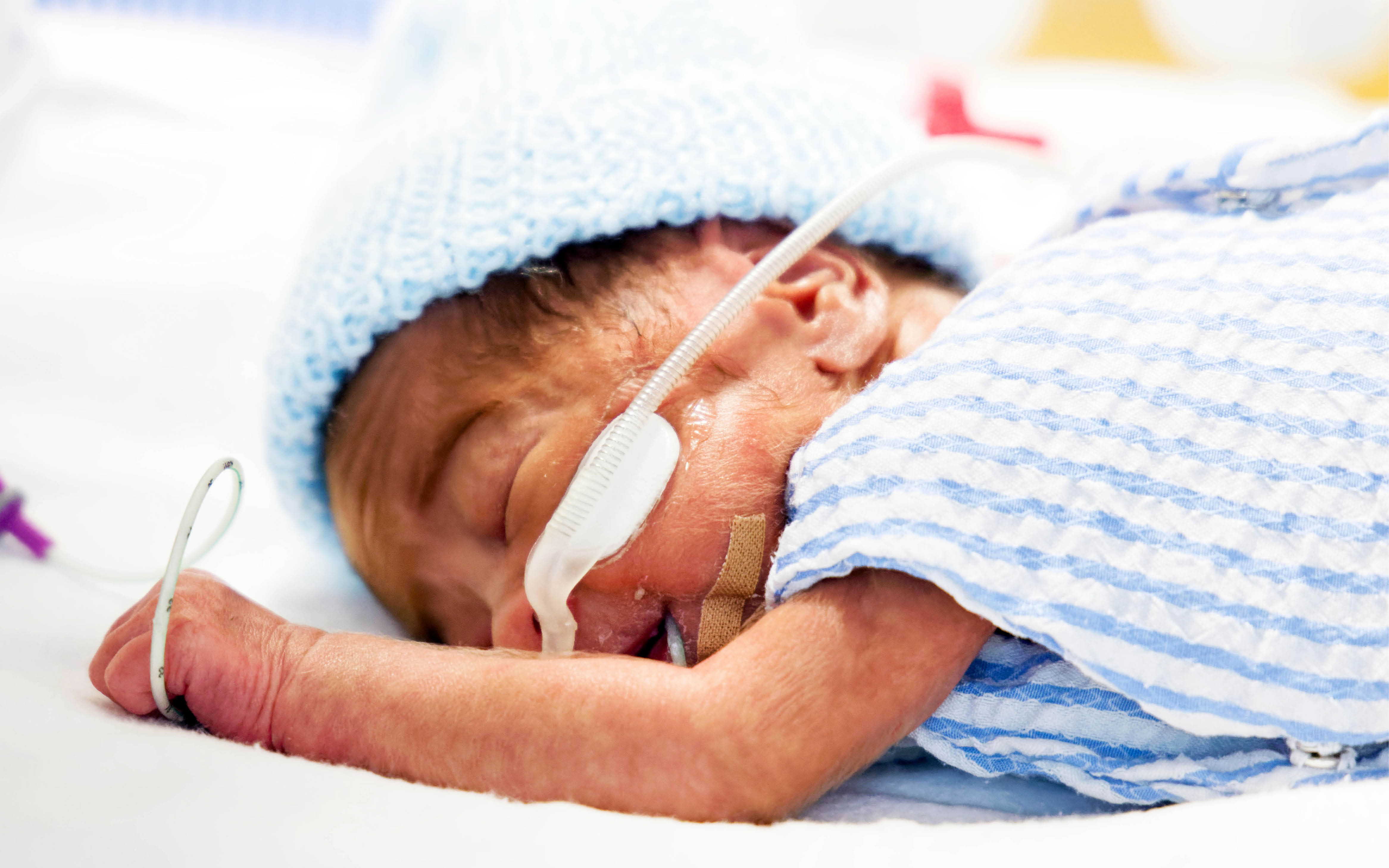
Preterm babies have a heightened risk of infection as their immune system is not mature. The Neonatal Health Team is exploring new ways to diagnose, prevent and treat infections in WA's smallest patients .
Tobias Strunk MD, PhD, FRACP Head, Neonatal Health tobias.strunk@thekids.org.au Head, Neonatal Health Clinical Professor Tobias Strunk is a