
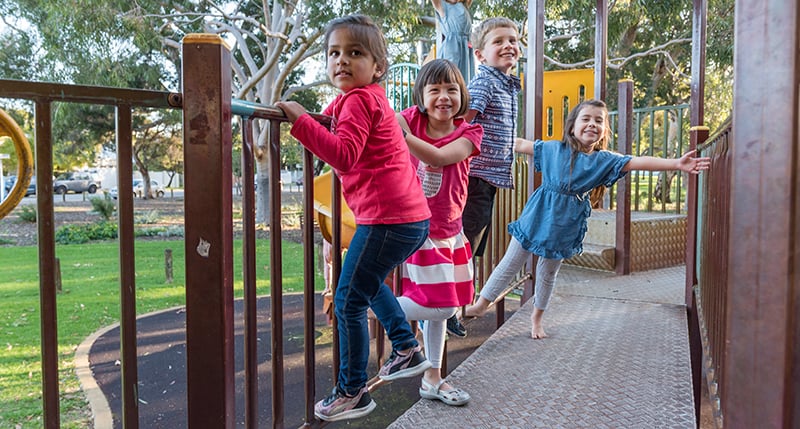
We have all heard of the phrase ‘it takes a village to raise a child’ but unfortunately in contemporary western society that ‘village’ can be hard to…
o help raise the profile of student wellbeing in the education system in Australia, The Kids Research Institute Australia and SA Department for Educa…
The Life Course Centre is a national centre funded by the Australian Research Council Centre of Excellence Scheme and hosted through the University o…
The Language in Little Ones (LiLO) study is a five-year longitudinal study (2017-2021), funded through the National Health and Medical Research Counc…
Tasmania’s child and family centres users made more use of early childhood services than did non-users
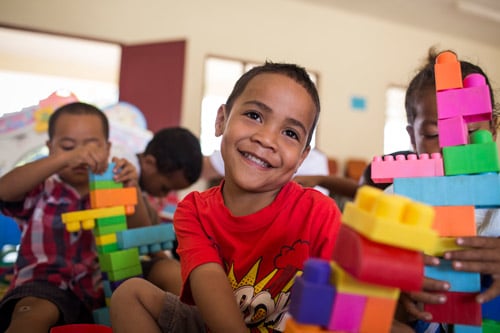
In Australia, community playgroups are seen as the ‘soft touch’. But a research project in Tonga is finding the benefits can last a lifetime.
New research by The Kids Research Institute Australia has found children who attend playgroups achieve better early primary school outcomes.
The importance of play for a child’s development is irrefutable. Playgroups provide a safe environment for children of similar ages to play and devel…
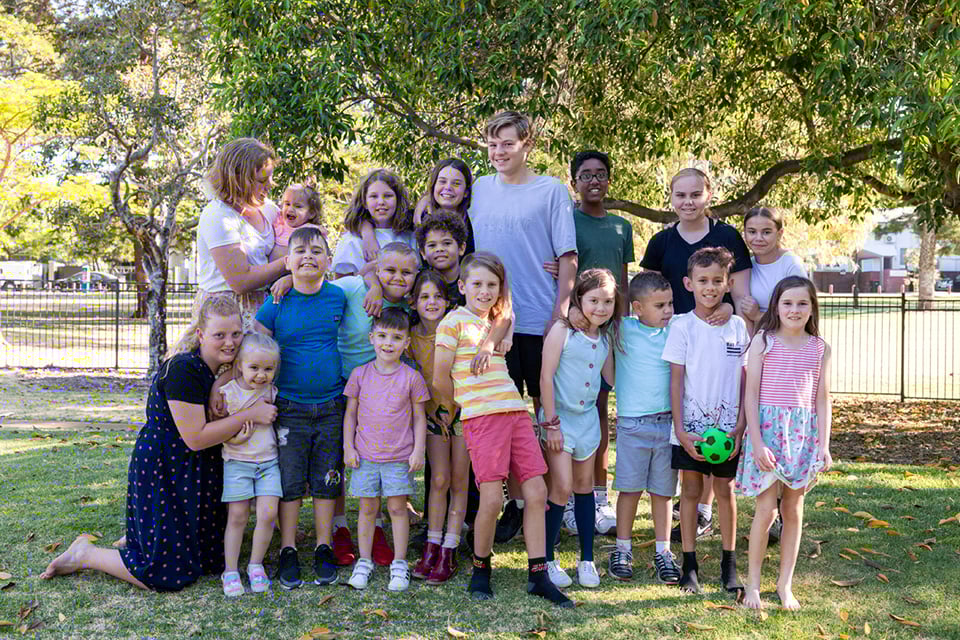
The Human Development and Community Wellbeing (HDCW) Team focuses on improving outcomes for children, family, and the community.
The Early Years Systems Evidence (EYSE) team specialises in working in partnership with governments and service providers, with a distinct focus on i…