
Search
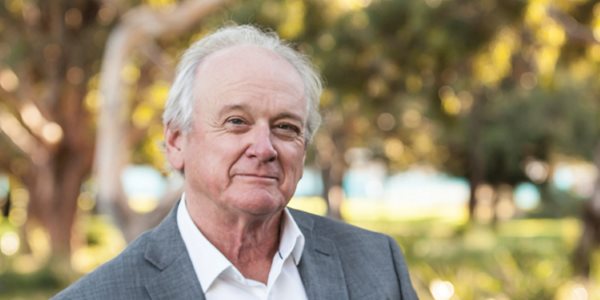
The Centre is currently involved in an international effort to develop revolutionary closed- loop 'artificial pancreas' technology. It is also leading a multi-centre Australian trial of these portable devices at home in young people with diabetes.
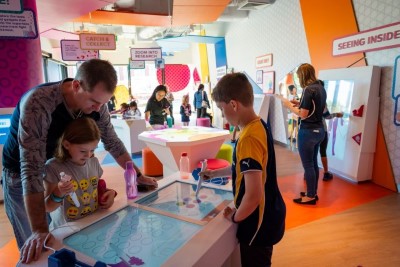
Beat the heat these school holidays by visiting the The Kids Discovery Centre.v

The advancement of technology to assist the daily routine of diabetes is extremely helpful. However, it is important to create clear boundaries in the use of technology. Our social work team have some great tips to set up healthy routines.

Mobile phones are an important part of diabetes management but its also important to set some family rules for your child's technology use.
To evaluate real-world glycaemic outcomes in children with type 1 diabetes commencing advanced hybrid closed loop therapy and to explore these outcomes based on the cohort's clinical and socioeconomic characteristics.
The Environmental Determinants of Islet Autoimmunity (ENDIA) study is an Australia-wide pregnancy-birth cohort study following children who have a first-degree relative with type 1 diabetes (ACTRN1261300794707). A dedicated ENDIA Facebook page was established in 2013 with the aim of enhancing recruitment and supporting participant retention through dissemination of study information.
Pregnancy and type 1 diabetes are each associated with increased anxiety and depression, but the combined impact on well-being is unresolved. We compared the mental health of women with and without type 1 diabetes during pregnancy and postpartum and examined the relationship between mental health and glycemic control.
In individuals with type 1 diabetes, chronic hyperglycaemia impairs aerobic fitness. However, the effect of acute marked hyperglycaemia on aerobic fitness is unclear, and the impact of insulin level has not been examined. In this study, we explored if acute hyperglycaemia with higher or low insulin levels affects [Formula: see text] and other exercise performance indicators in individuals with type 1 diabetes.
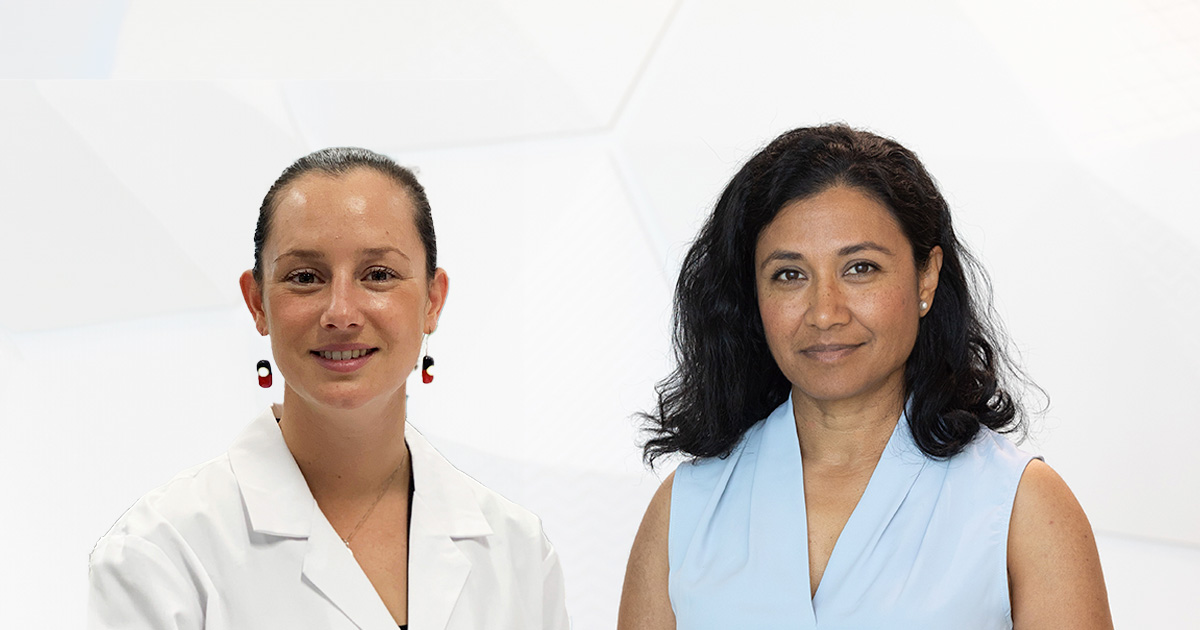
The generous support of Western Australians through Channel 7’s Telethon is helping to fund life-changing child health research, with two The Kids Research Institute Australia researchers awarded significant grants.

"This system definitely helped with my diabetes management, especially overnight, and helped to keep my blood sugars as stable as possible which was fantastic,"