
Search
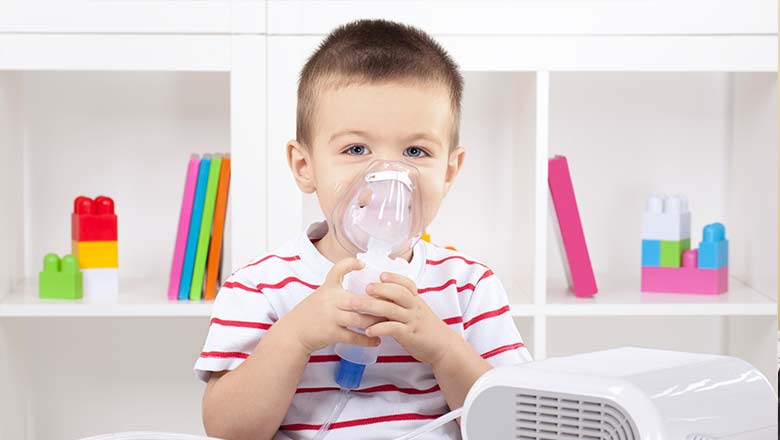
This study is designed to identify the specific unique immune cell response that occurs in these children with recurrent disease.
Studies in Europe show exposure of pregnant women to high levels of microbial products stimulate immune function maturation in their offspring
The study aims to identify the mechanism for this so that this knowledge can be used to better treat asthma and allergies in both males and females.
This project investigates how cells of the immune system respond to substances to cause allergies to help develop new treatments.

Rothwell Family Fellow; Head, Airway Epithelial Research
In partnership with Derbarl Yerrigan Health Service and the Broome Regional Aboriginal Medical Service, we aim to improve Aboriginal lung health by determining for the first time the baseline lung function of Aboriginal Australians.
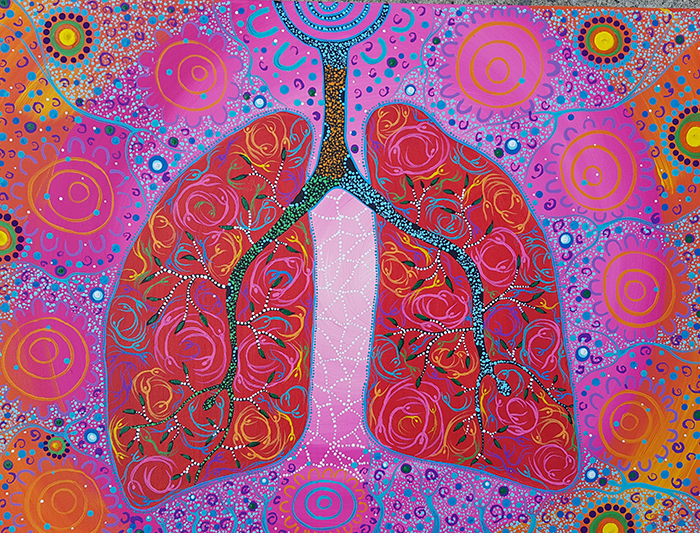
Healthy lungs help you to breathe better. This means you can sleep better, as well as play sports, run and walk without being short winded.
Large numbers of children need emergency medical treatment each year for respiratory illnesses, particularly for wheezing and asthma.
The nasal epithelium is the primary point of contact for inhaled respiratory viruses such as rhinovirus, respiratory syncytial virus, influenza, and coronavirus, among others. In order to establish infection, these viruses must engage their respective receptors located on host epithelial cells and begin replication.
Risk factors for non-communicable diseases (NCDs, cardiovascular diseases, cancers, chronic respiratory diseases, diabetes, and mental disorders) arise in adolescence but are mostly framed as relevant to health in adulthood; little is known about the relationship between co-occurring NCD risks and mental wellbeing in young people.