
Anaesthetic dose causing toxicity in animals has been evaluated, but the relationship between duration of VA exposure and development in children rem…
Technology-based interventions may provide a relatively low-cost addition to existing therapist-delivered interventions for children with ASD
Professor Andrew Whitehouse awarded the most prestigious award in the country for young researchers – the 3M Eureka Prize for Emerging Leader in Scie…
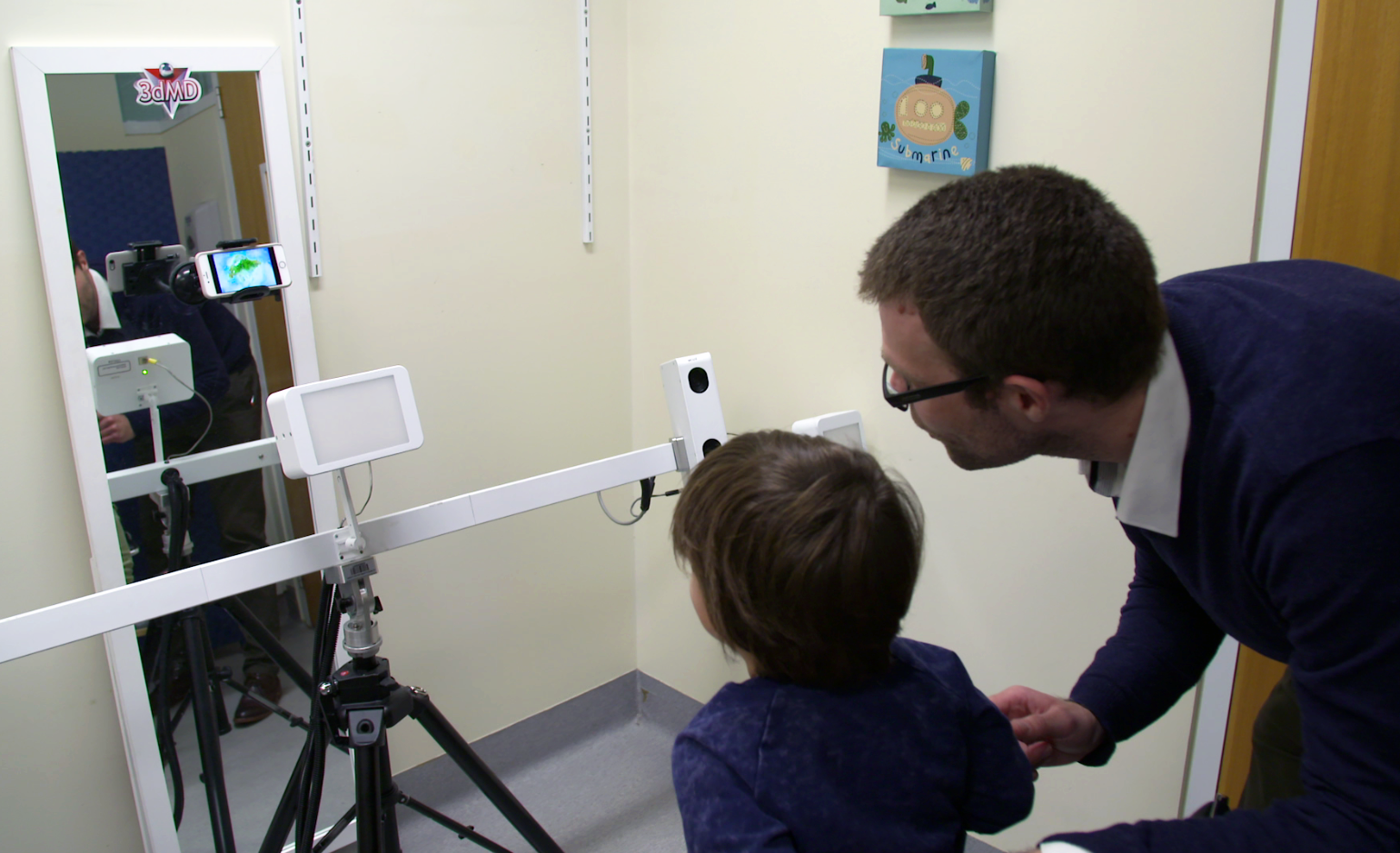
A new study led by The Kids Research Institute Australia has found a link between masculine facial features and autism.
This is the first study demonstrating facial hypermasculinisation in ASD and its relationship to social-communication difficulties in prepubescent ch…
The identification of differences in the facial phenotype of individuals with ASC may contribute to efforts to promote early identification of the co…
Some studies suggest an association between early exposure to anesthesia, surgery and long term developmental deficit, clinical phenotype of children…
There is preliminary evidence that infant siblings of children with Autism Spectrum Disorder have an atypical pattern of crying
These results indicate a coordination of central and peripheral oxytocin release after stress and after intranasal administration
The aim of the paper is to outline the future of early identification and intervention of ASD and the research goals to be addressed to achieve this…