
Search
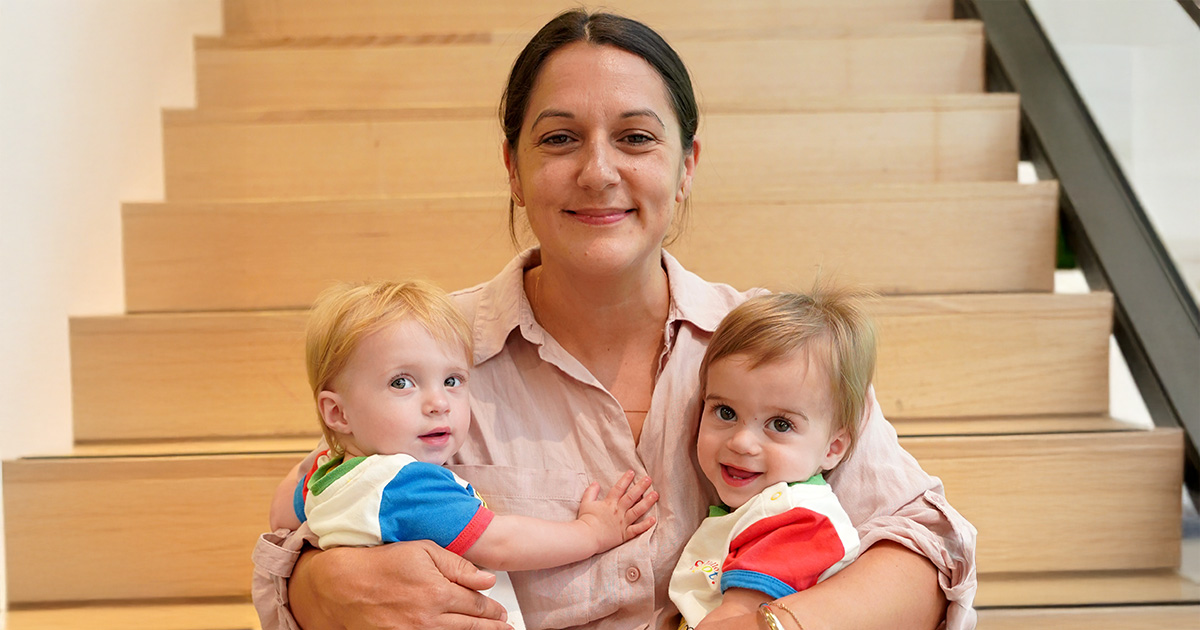
An Australian-first study, funded by Perth Children's Hospital Foundation, demonstrating the effectiveness of a new immunisation against respiratory syncytial virus (RSV) for babies found it to be almost 90 per cent effective in reducing hospitalisation rates.
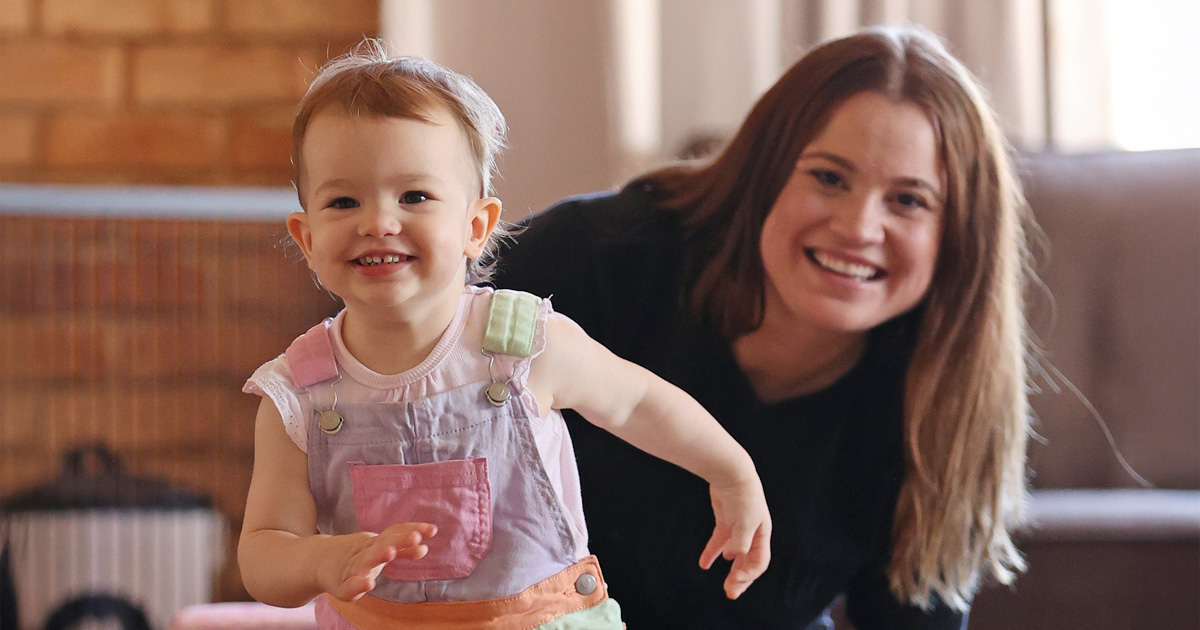
Imagine you had a healthy daughter one day and the next being told she has an incurable condition that requires day-to-day care and insulin treatment to stay alive.
Perioperative anxiety is a common and distressing aspect of anaesthesia for many children, resulting in management challenges at the time of anaesthesia and potential physical and psychological adverse outcomes. We conducted this qualitative phenomenological study to explore the perspectives of children, parents and staff on perioperative anxiety in our institution. Planned recruitment was 20 each of children who had undergone elective anaesthesia, their parents and staff.
Remote Aboriginal communities in Australia are located on traditional lands holding deep cultural significance and meaning for residents. However, systemic inequity rooted in colonisation has driven persistent housing and health disparities, with inadequate environmental health conditions within homes and communities a prominent example.
Bacillus Calmette-Guérin (BCG) protects children from severe tuberculosis and remains the only licensed vaccine for tuberculosis. Subnational estimates of BCG coverage are essential for identifying underserved populations across Africa. This study aimed to map BCG vaccination coverage in Africa from 1990 to 2022.
The literature is replete with multi-dimensional self-report assessments of trust. It is not clear whether these dimensions are statistically distinguishable across institutional and interpersonal contexts, respectively.
The primary objective was to determine whether a behaviour change intervention delivered to hospital staff would (1) improve the proportion of Aboriginal and/or Torres Strait Islander (Aboriginal) babies being registered and (2) reduce hospital admissions and emergency presentations for babies <6 months old. The secondary objective was an observational analysis to determine factors that might influence the proportion of registered Aboriginal births in Western Australia.
General movements (GMs) are part of the spontaneous movement repertoire and are present from early fetal life onwards up to age five months. GMs are connected to infants' neurological development and can be qualitatively assessed via the General Movement Assessment. In particular, between the age of three to five months, typically developing infants produce fidgety movements and their absence provides strong evidence for the presence of cerebral palsy.
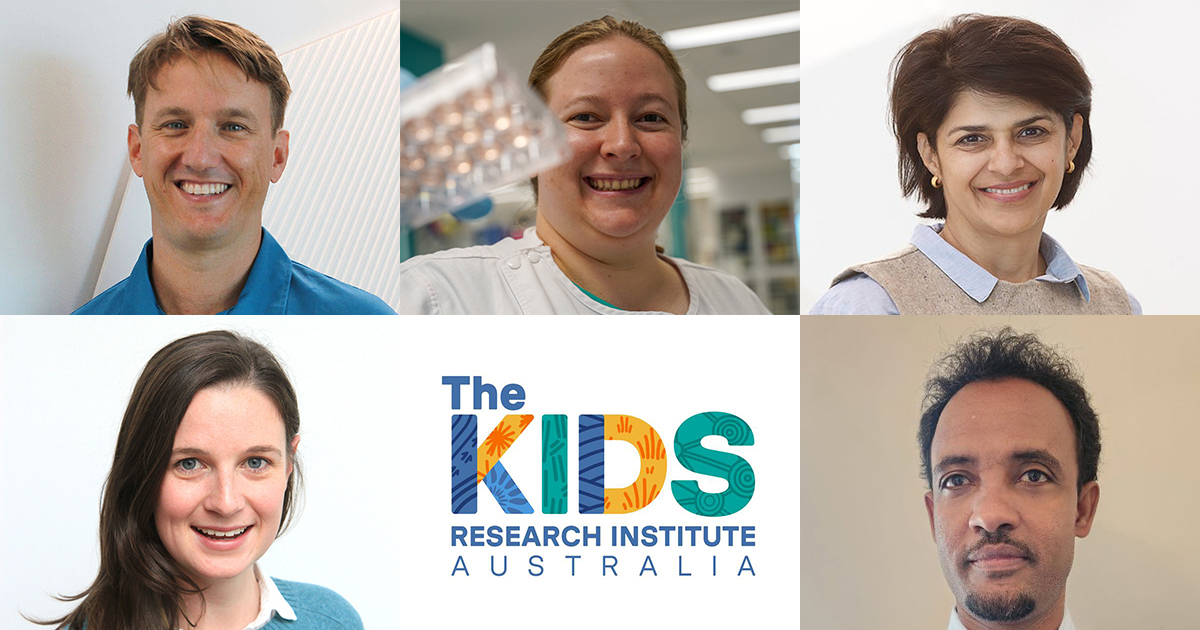
Five researchers from The Kids Research Institute Australia have secured vital funding support through the WA Near Miss Awards, allowing them to continue innovative health projects that narrowly missed out on national funding.
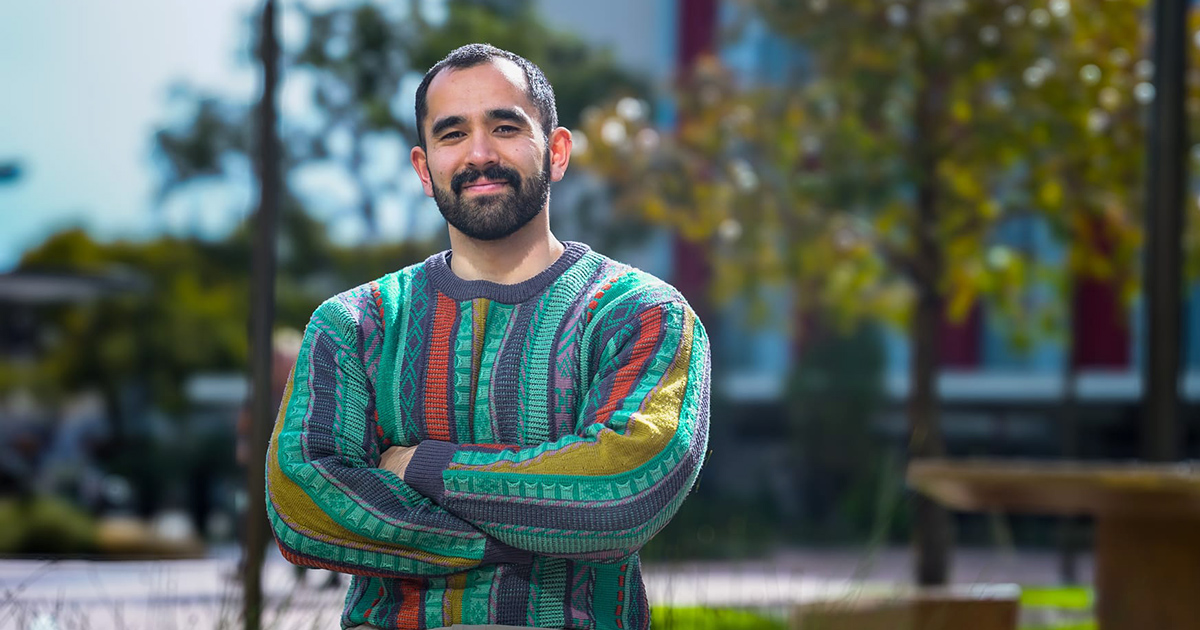
Dr Vincent Mancini, a Senior Research Fellow at The Kids Research Institute Australia, has been awarded a prestigious three-year Fellowship to develop and implement an intervention to support the welfare of regional WA fathers and families in the neonatal intensive care unit (NICU).