
Search
The interaction of genetic and environmental contributions to immunological traits and their association with atopic disease remain unclear. Flow cytometry and in vitro cytokine responses were used to characterize immune profiles from 93 school-aged twin pairs. Using an established twin pair analytical strategy, the genetic and environmental influences on immunological traits were evaluated, along with their association with atopy. Our findings suggest strong genetic influence on several traits, particularly B cell abundance. In contrast, cytokine responses from in vitro stimulations appeared mainly shaped by environmental exposures.
Sex hormones, such as oestrogen and testosterone, display significant immune modulatory properties. This is highly relevant for transgender (trans) people who undergo gender-affirming hormone (GAH) treatment. However, only a limited number of studies have evaluated the immunological impact of GAH treatments, and almost none have assessed the impact in trans young people.
Estimates were calculated for disease and injury incidence, prevalence, and YLDs using GBD 2010 methods with some important refinements.
This paper describes a ten-day sanitation mapping project in Mumbai, India and explores the broader implications for global public health student electives.
Tools that can be used to collect behavioural data during pandemics are needed to inform policy and practice. The objective of this project was to develop the Your COVID-19 Risk tool in response to the global spread of COVID-19, aiming to promote health behaviour change. We developed an online resource based on key behavioural evidence-based risk factors related to contracting and spreading COVID-19. This tool allows for assessing risk and provides instant support to protect individuals from infection.
International guidelines recommend multidisciplinary intervention programs for addressing childhood obesity. In Western Australia, community-based healthy lifestyle programs for children and young people are insufficient for demand, especially for those over-represented in obesity statistics relating to prevalence. This protocol outlines the implementation and evaluation of an adapted, evidenced, community-based program in Perth, Western Australia.
In Australia, substance use disorders disproportionately affect people living in rural and remote areas. Patients with substance use disorders who receive palliative care have complex, often unmet, end-of-life needs. There is scarce evidence on the management of patients with substance use disorders in palliative care, and there is no consensus on the model of care to assist general practitioners manage their patients. This is particularly salient for general practitioners in rural areas, who provide most of the palliative care to their patients.
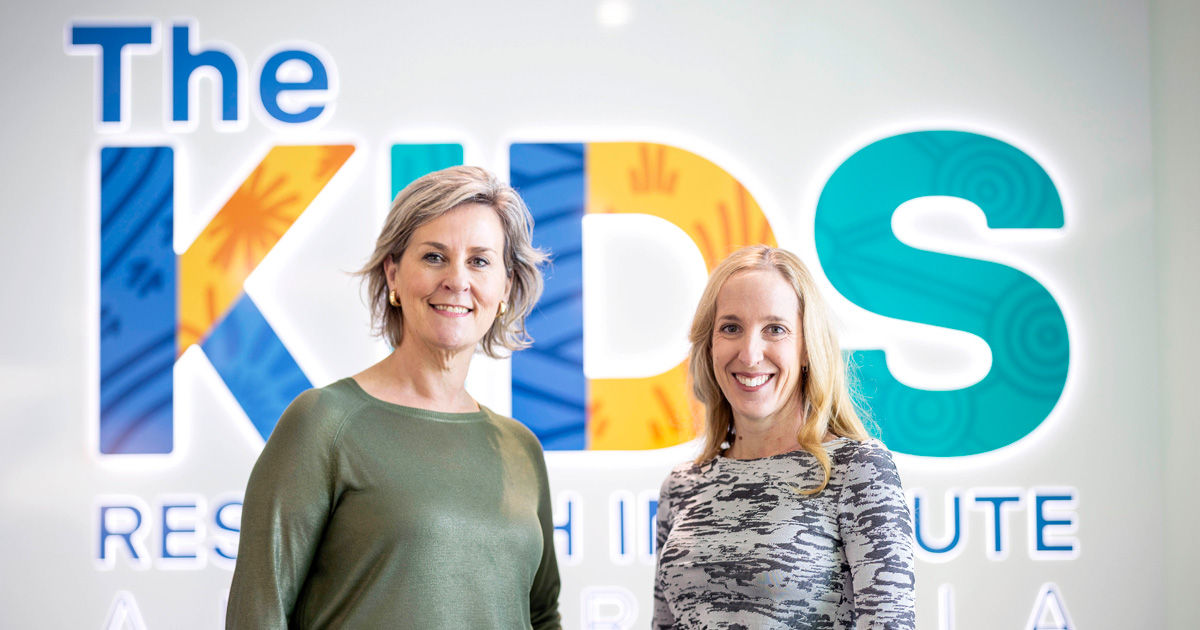
Two new members have joined The Kids Research Institute Australia Executive team, each tasked with helping the Institute realise its vision to drive greater health impact where kids and families need it most, sooner.

Researchers from The Kids Research Institute Australia have contributed to a landmark study revealing climate change will have a detrimental impact on one of the greatest threats to the health of children in the Global south – diarrhoea.
To describe the infant and maternal characteristics of the Early Moves cohort and to assess representativeness to the general population, and to evaluate the implementation fidelity of an application-based collection of General Movement Assessment (GMA) videos at writhing and fidgety age.