
Search

The health of the world’s 1.96 billion adolescents is at a critical tipping point.
Minority stress models and trauma-focused approaches have predominated our understanding and responses to health disparities among sexually and gender diverse (SGD) young people for more than 30 years. While the impacts and root causes of adversities are undoubtedly critical for promoting SGD health and well-being, it is important to highlight strengths-based narratives of the lives of SGD youth.
Shared decision-making between patients and primary healthcare professionals positively impacts health outcomes. However, people with intellectual disability face additional barriers and require supported shared decision-making (SSDM) to participate. Little is known about how healthcare professionals use SSDM with this population. This paper explores the facilitators and barriers experienced, and strategies/resources employed by healthcare professionals working with people with intellectual disability.
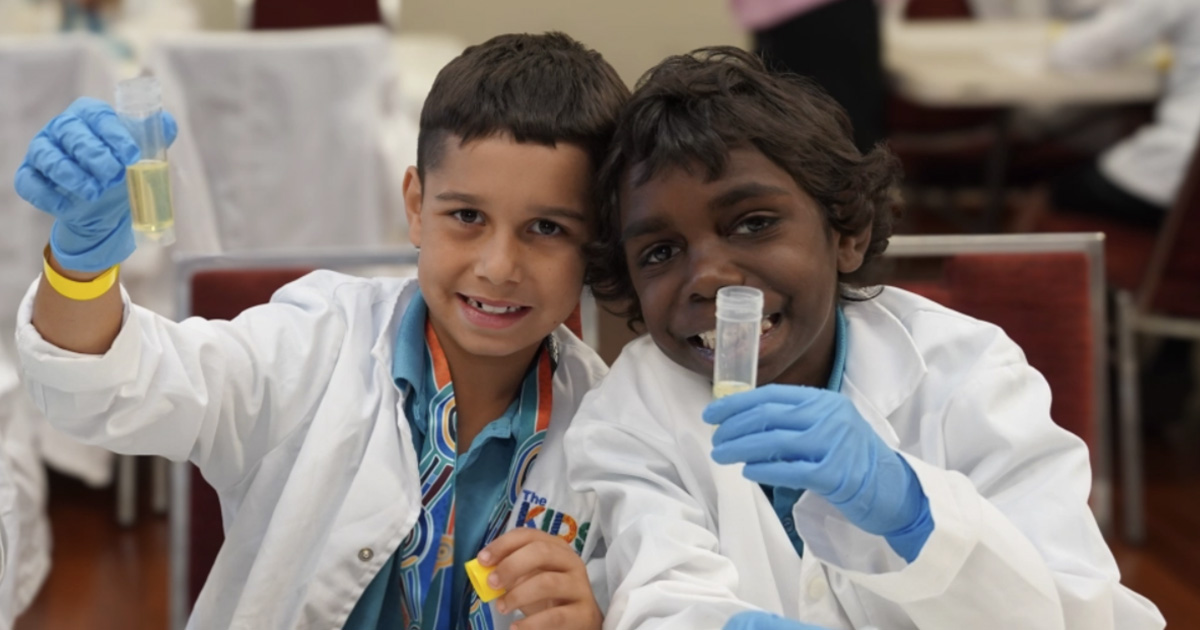
The Broome Civic Centre recently turned into a buzzing hub of discovery as The Kids Research Institute Australia proudly presented the 2025 Broome STEM Festival.
Avian influenza viruses (AIVs) pose a growing global health threat, particularly in low- and middle-income countries (LMICs), where limited surveillance capacity and under-resourced healthcare systems hinder timely detection and response. Migratory birds play a significant role in the transboundary spread of AIVs, yet data from key regions along migratory flyways remain sparse. To address these surveillance gaps, we conducted a study between December 2021 and February 2023 using fresh bird guano collected across 10 countries in the Global South.
Cognitive errors are known contributors to poor decision-making in healthcare. However, their incidence and extent of their contribution to negative outcomes during difficult airway management are unknown. We aimed to identify cognitive errors during paediatric difficult airway management using data from the Pediatric Difficult Intubation (PeDI) registry, to determine patient and clinician factors associated with these errors, and their contribution to complications.
Whole genome sequencing offers significant potential to improve the diagnosis and treatment of rare diseases by enabling the identification of thousands of rare, potentially pathogenic variants. Existing variant prioritisation tools can be complemented by approaches that incorporate phenotype specificity and provide contextual biological information, such as tissue or cell-type specificity.
Despite evidence suggesting regular exercise (i.e. structured, repetitive and purposeful physical activity) attenuates cardiac patients’ decline in health, our understanding of factors affecting long-term exercise participation among this patient cohort is limited. This problem is pertinent, given that less than half of cardiac patients adhere to exercise following discharge from formal exercise-based rehabilitation programmes. In this study, we explored factors influencing exercise participation after an outpatient cardiac rehabilitation programme.
This review aims to systematically identify contextual and mechanistic factors that contribute to the success or failure of implementing effective HCs in the prevention and early detection of chronic diseases among Aboriginal and Torres Strait Islander people in Australian primary health care (PHC).
There are conflicting suggestions concerning the developmental trend of trust beliefs during middle childhood. Across three studies, the current research developed a brief measure of child general trust beliefs, as well as child measures of trust in peers and online, and examined age-related differences in these beliefs.