
Search
To determine the predictors of magnitude of change in response to a participation-focused leisure-time physical activity intervention in children with cerebral palsy (CP) using the ParticiPAte CP protocol.
This audit aimed to increase understanding of the long-term outcomes of evidence-based medical and surgical interventions to improve gross motor function in children and adolescents with Cerebral Palsy.
To describe the major congenital anomalies present in children with postneonatally acquired cerebral palsy (CP), and to compare clinical outcomes and cause of postneonatally acquired CP between children with and without anomalies.
To investigate the use of ultrasound and magnetic resonance imaging (MRI) methodologies to assess muscle morphology and architecture in children with cerebral palsy (CP).
Playgroups are widely used throughout the Australian community yet understanding of their efficacy is hindered by inconsistent playgroup definitions and practice principles. This study aimed to develop, implement and evaluate the feasibility of a manualised therapeutic playgroup for children with developmental delay and their families using a three step process.
Antisense oligonucleotides are an emerging therapeutic option to treat diseases with known genetic origin. In the age of personalised medicines, antisense oligonucleotides can sometimes be designed to target and bypass or overcome a patient's genetic mutation, in particular those lesions that compromise normal pre-mRNA processing. Antisense oligonucleotides can alter gene expression through a variety of mechanisms as determined by the chemistry and antisense oligomer design.
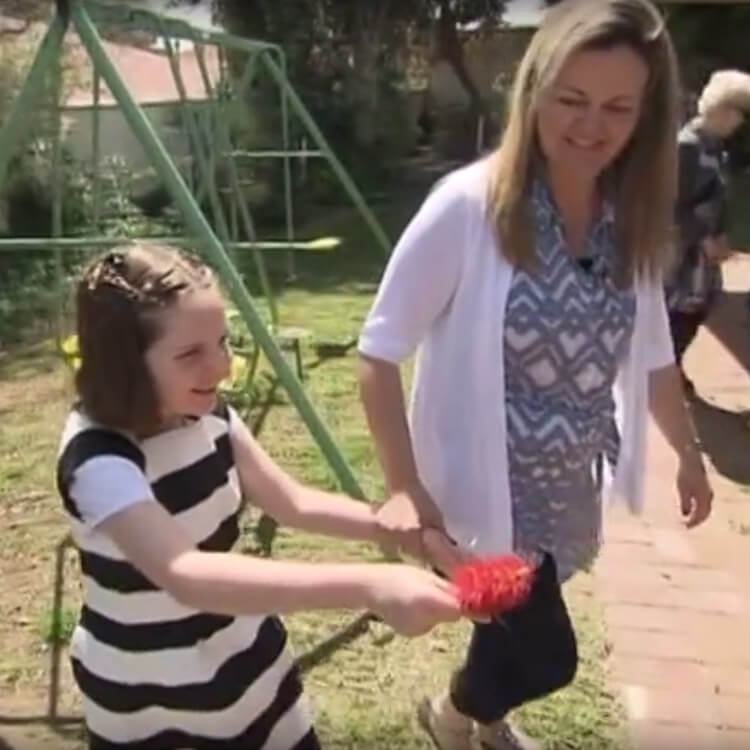
Researchers at The Kids Research Institute Australia are one step closer to finding better treatments for a rare disease causing children to have multiple seizures a day.
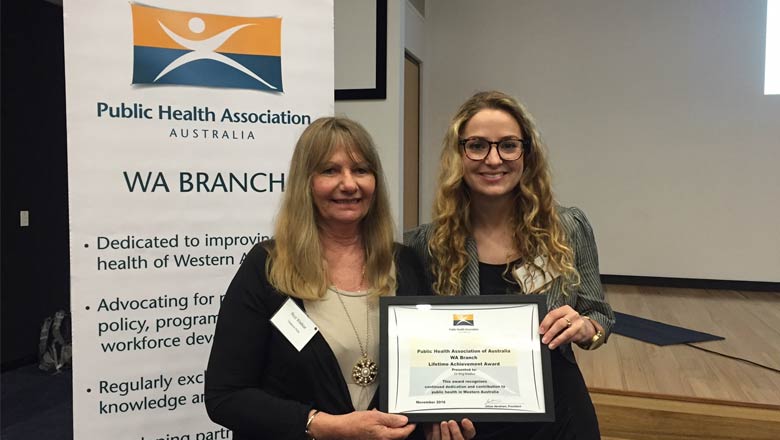
Two The Kids researchers working to improve the health & wellbeing of Aboriginal children & their families have both been honoured at the PHAA Awards.
Professor Carol Bower has received the prestigious ICBDSR Distinguished Service Award for her work on birth defects - a career that spans 35 years.

Six researchers from The Kids Research Institute Australia have been awarded $8.9 million in prestigious Investigator Grants from the National Health and Medical Research Council.