
Search
The abundant skin commensal, Staphylococcus epidermidis, is the leading cause of late-onset sepsis (LOS) in preterm infants but rarely causes infections in term infants and adults. Staphylococcal virulence mechanisms and the role of the preterm immune responses in driving these life-threatening infections remain poorly understood.
A range of microbiota species correlate with improved cancer outcomes in patients and confer protection in pre-clinical mouse models. Here, we examined how microbiota regulate CD8+ T cell immunity against melanoma. Spontaneous control of cutaneous melanoma in mice correlated with metabolic pathways required for microbial synthesis of short-chain fatty acids (SCFAs) shared between several microbiota species.
Despite growing evidence that parental work–family conflict (WFC) affects children’s emotional well-being, little is known about the multiple pathways underlying such effects. This study examines the association between parental WFC and children’s emotional well-being and the potential mediating role of parenting behaviors in this process.
Citation: Passmore H. Neurodiversity (in)Justice: Learnings for Australia from international approaches to supporting neurodivergent people in
Citation: Gardner M, Shah S, Jain N, Bynevelt M. Rare Occurrence of Congenital Neuroblastoma and Tuberous Sclerosis. Pediatr Neurol. 2026;176:62-3.
The transmission of Group A Streptococcus (Strep A) through respiratory droplets has been considered the dominant mode of transmission to date; however, little is known about the relative contribution of other modes of transmission. This review systematically summarises the contemporary evidence regarding the transmission of Strep A.
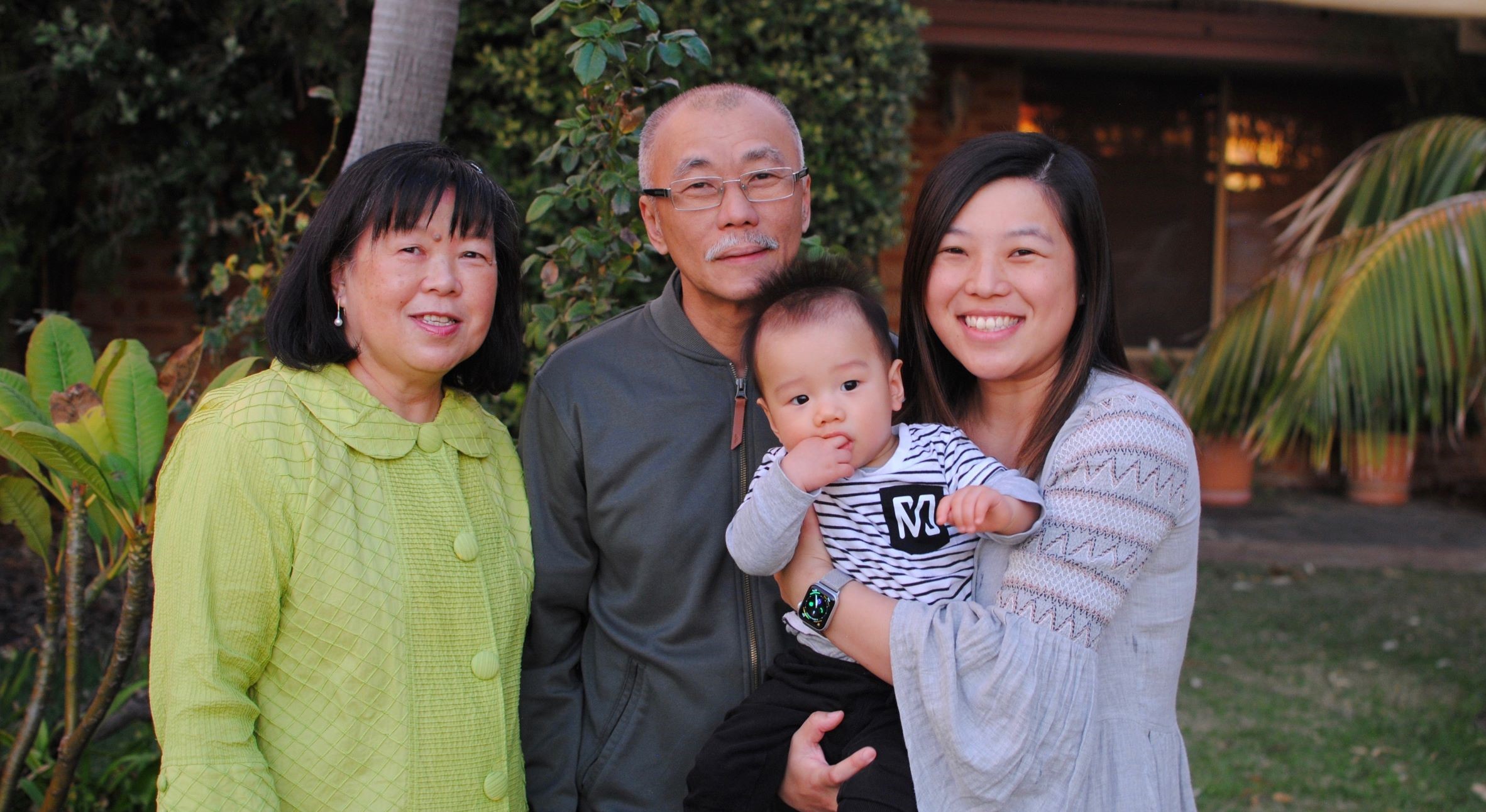
Between 1989 and 1991, almost 3,000 WA babies were recruited to the Raine Study - an ambitious research project which would yield a series of paradigm-shifting findings that changed scientific thinking. Three decades on, it has also changed the lives of those taking part.
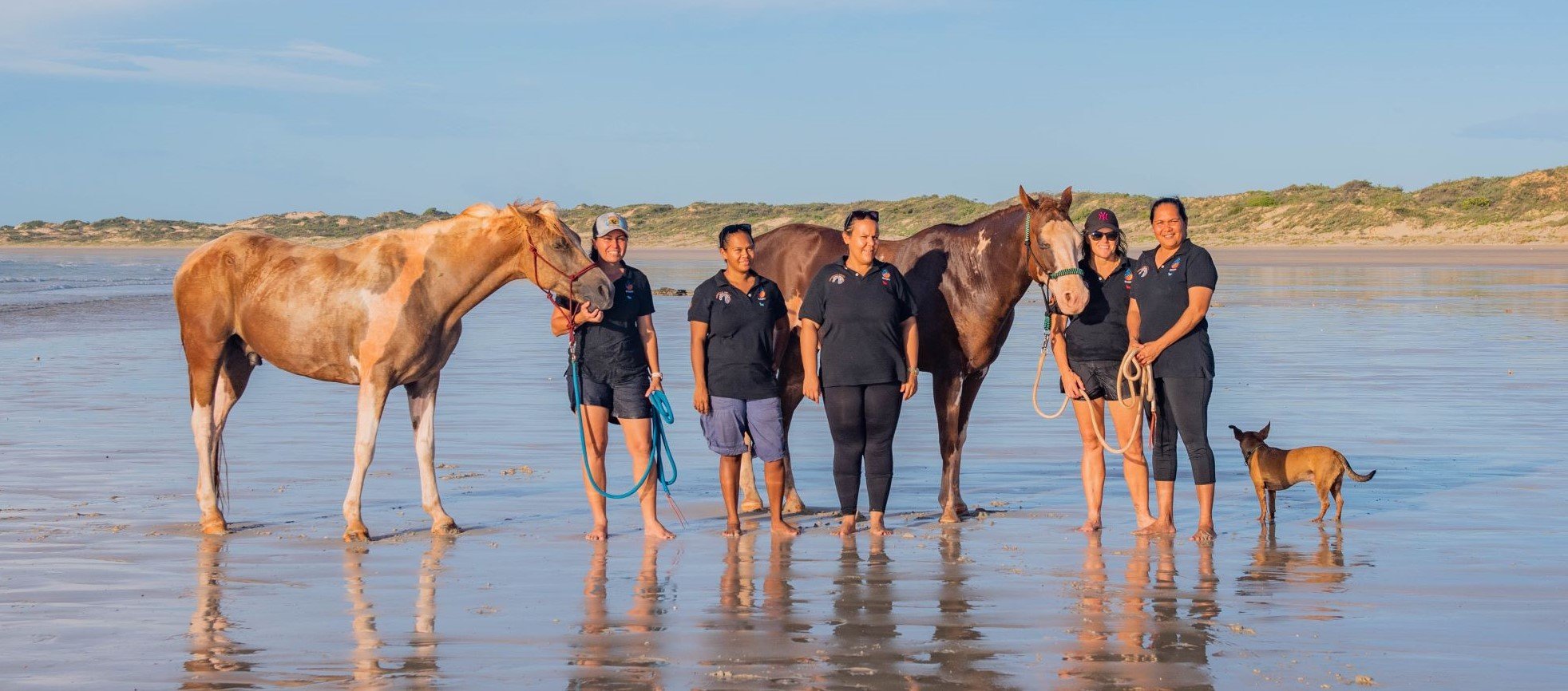
The Yawardani Jan-ga Equine-Assisted Learning (EAL) research project, headed by Professor Juli Coffin in WA’s Kimberley region, is steadily growing its capacity to support the social, emotional and spiritual wellbeing of Aboriginal young people through the powerful medium of horses.
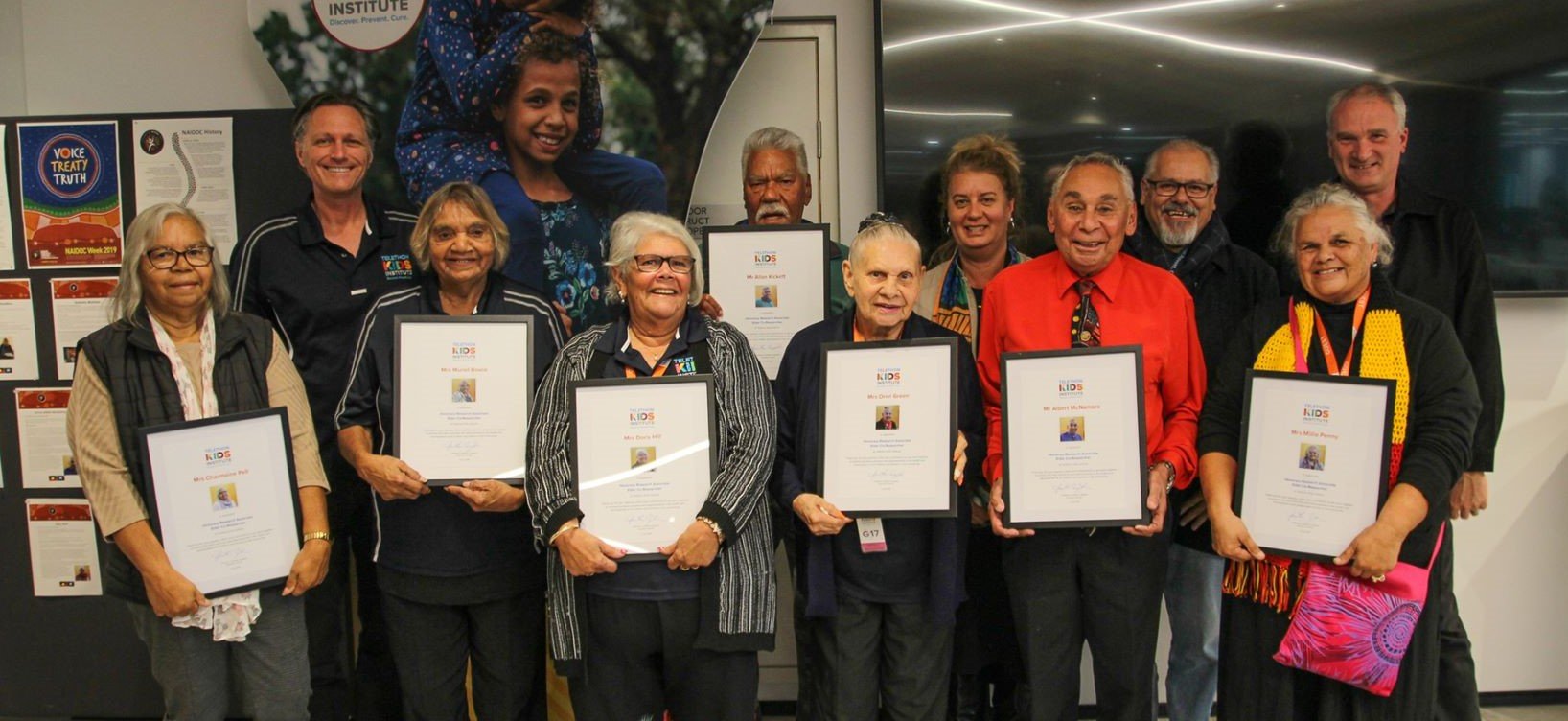
The Ngulluk Koolunga Ngulluk Koort (Our Children, Our Heart) Project grew out of a bold vision to harness the wisdom of Aboriginal Elders to improve outcomes for Aboriginal children, producing a suite of Elder-led, culturally appropriate and empowering initiatives that are making a difference.

Two international trials led by The Kids Research Institute Australia’s Neonatal and Infection Immunity Team are tackling the urgent need for simple and safe interventions that can help prevent the adverse long-term effects of infections in extremely preterm babies.