
Search
Encephalitis is inflammation of the brain parenchyma with heterogenous aetiology and presentation. In children, it often leads to short-term residual neurological deficits, however clinical predictors of adverse long-term outcome are not fully understood.
Despite vaccination, influenza and otitis media (OM) remain leading causes of illness. We previously found that the human respiratory commensal Haemophilus haemolyticus prevents bacterial infection in vitro and that the related murine commensal Muribacter muris delays OM development in mice. The observation that M muris pretreatment reduced lung influenza titer and inflammation suggests that these bacteria could be exploited for protection against influenza/OM.
Understanding patterns of bacterial carriage and otitis media (OM) microbiology is crucial for assessing vaccine impact and informing policy. The microbiology of OM can vary with geography, time, and interventions like pneumococcal conjugate vaccines (PCVs). We evaluated the microbiology of nasopharyngeal and middle ear effusions in children living in Western Australia, 11 years following the introduction of PCV13.
Otitis media with effusion (OME) affects hearing, speech development, and quality of life (QoL) in children. The 'Blow, Breathe, Cough' (BBC) intervention promotes nasal, respiratory, and middle ear clearance through nose blowing, deep breathing, coughing, and hand hygiene. It shows promise in resolving OME but lacks randomized-controlled trial (RCT) evaluation. This paper presents a RCT protocol evaluating BBC's effect on OME resolution, hearing, speech, and QoL in children aged two to seven years.
Small volume assays are required for large-scale research studies and in particular paediatric trials, where multiple measures are required from a single sample. Fluorescent bead-based technology (Bioplex/Luminex) allows high through-put and simultaneous quantification of multiple analytes in a single test. This technology uses sets of microspheres, each with a unique spectral address that can be coated with a different antigen of interest.
A birth acellular pertussis vaccine may be a valuable alternative for immunity against infant pertussis when a pregnancy pertussis vaccine has not been administered. We assessed whether a birth dose may impair immunoglobulin G (IgG) responses to childhood pertussis boosters.
We assessed the impact of maternally derived pertussis antibodies on infant responses to a 2 + 1 vaccine schedule (6 weeks, 12 weeks, and 12 months). Infants with baseline antibodies showed lower IgG responses following the primary vaccination series, but this did not impair booster responses at 4 years of age.

Clinical Research Manager
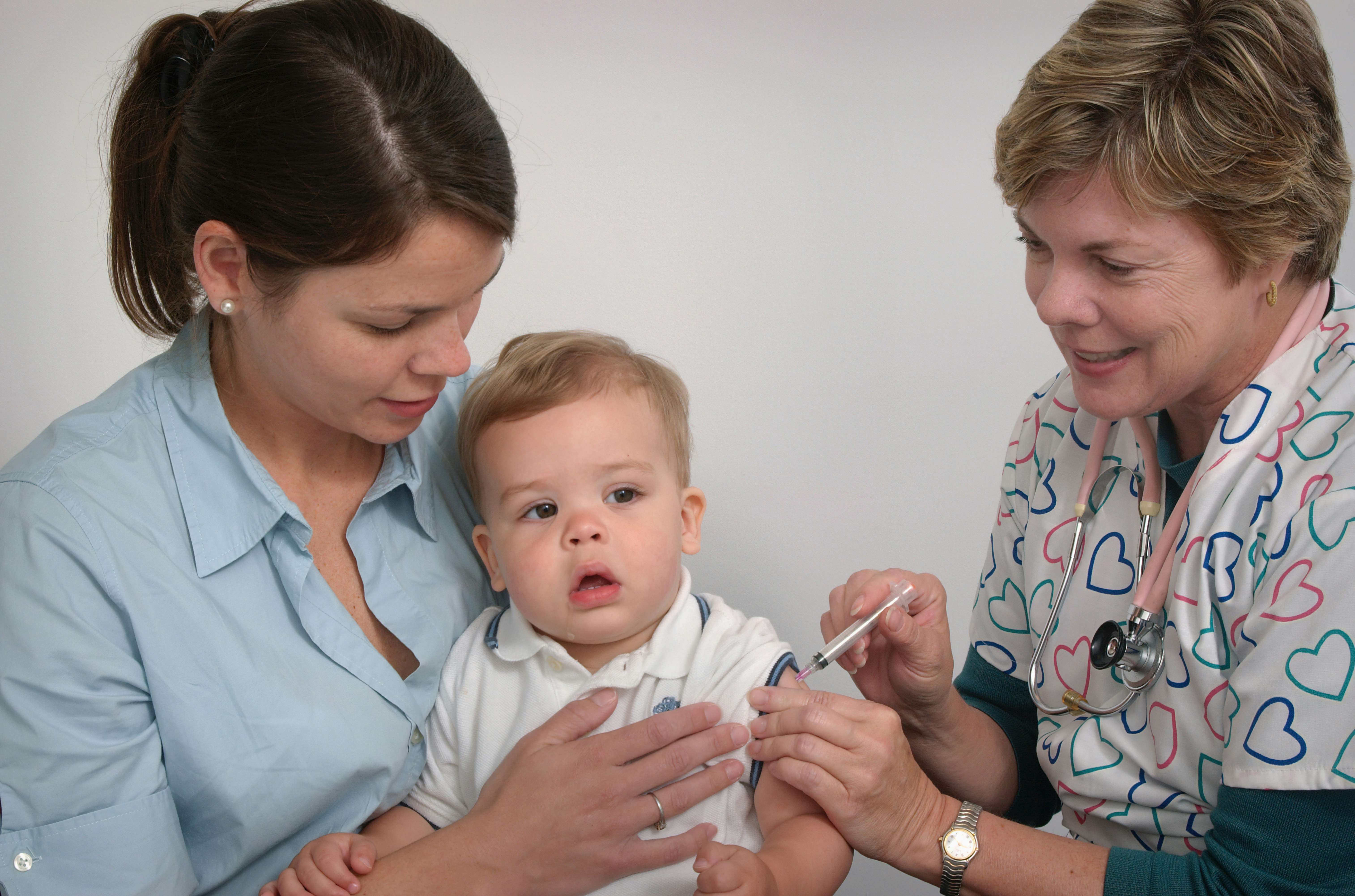
Researchers at The Kids Research Institute Australia have helped map the global impact of life saving vaccines to mark the 50-year anniversary of the Expanded Programme on Immunisation (EPI).
The authors previously reported an increased risk of hospitalisation for acute lower respiratory infection up to age 2 years in children delivered by...