
Search
Showing results for "clinikids"
Clinical decision support systems (CDSS) are increasingly utilised within healthcare settings to enhance decision making. However, few studies have investigated their application in the context of clinical services for autistic people, with no research to date exploring the perspectives of the key stakeholders who are, or in the future may be, impacted by their use.
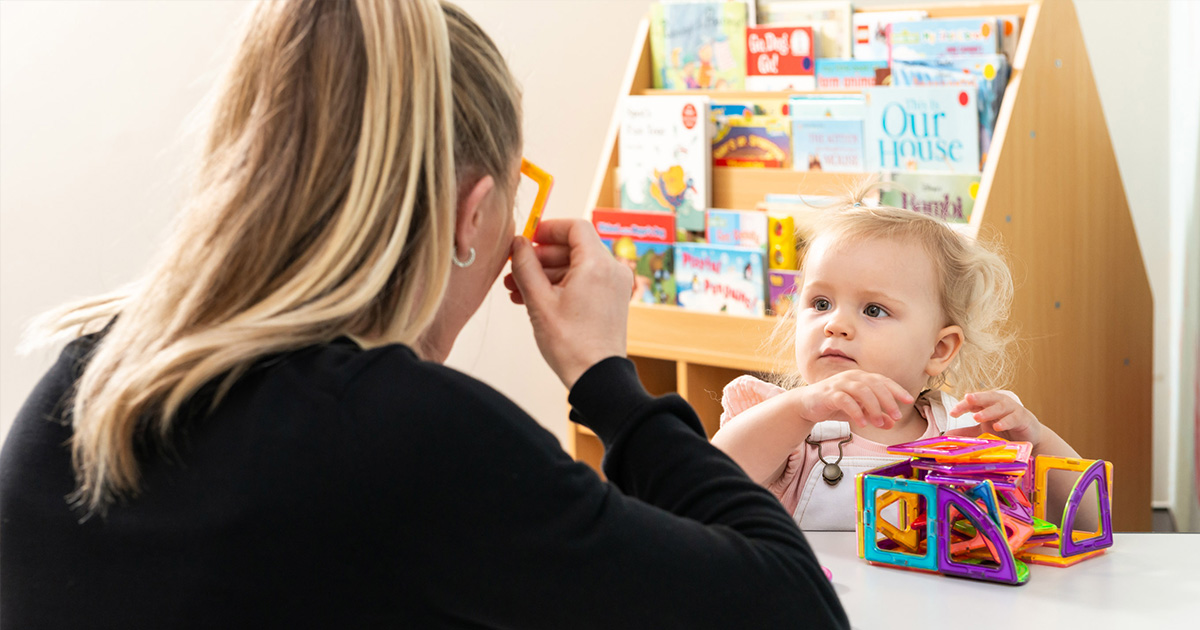
Today, on World Autism Day, we embrace the theme Celebrating Differences, recognising the unique strengths, perspectives, and contributions of autistic individuals.
This study aimed to identify guiding principles to underpin assessment and diagnosis of autism to improve the quality, consistency and accuracy of services provided to individuals and their families. An online survey and focus groups were used to capture community perspectives of members of the Australian autistic and autism communities.
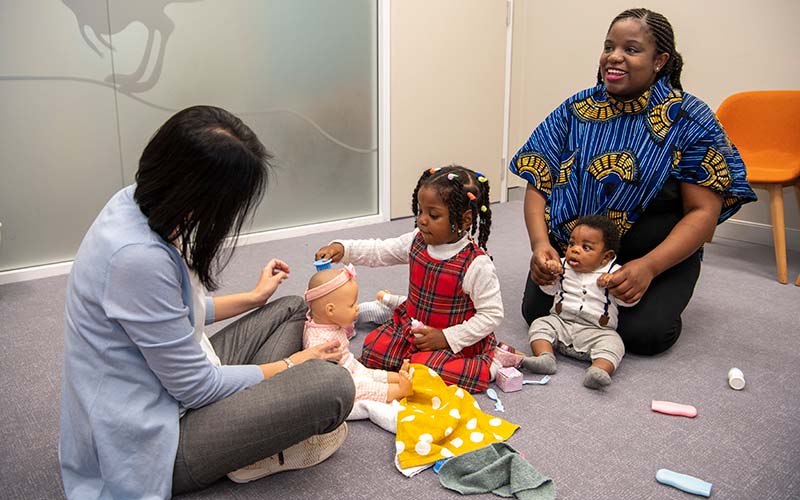
The Kids' autism research takes place at CliniKids, a centre that integrates world-class research with a clinical service for children with developmental delay and/or autism and their families.

We’re currently celebrating Speech Pathology Week at The Kids!
A comprehensive understanding of specific factors contributing to variability in responsiveness of children with autism to interventions is paramount for making evidence-based clinical and policy decisions. This meta-analysis examined child and family characteristics, as well as intervention design factors, associated with outcomes of behavioral interventions for children with autism.
The growing global prevalence of autism spectrum disorder is associated with increasing costs for support services. Ascertaining the effects of a successful preemptive intervention for infants showing early behavioral signs of autism on human services budgets is highly policy relevant.
An empirically based understanding of the factor structure of the restricted and repetitive behaviors (RRB) domain is a prerequisite for interpreting studies attempting to understand the correlates and mechanisms underpinning RRB and for measurement development. Therefore, this study aimed to conduct a systematic review and meta-analysis of RRB factor analytic studies.
There is now good evidence that behavioural signs of autism spectrum conditions (autism) emerge over the first two years of life. Identifying clear developmental differences early in life may facilitate earlier identification and intervention that can promote longer-term quality of life. Here we present a systematic review of studies investigating behavioural markers of later autism diagnosis or symptomology taken at 0-6 months.
Early parent-child interactions have a critical impact on the developmental outcomes of the child. It has been reported that infants with a family history of autism and their parents may engage in different patterns of behaviours during interaction compared to those without a family history of autism. This study investigated the association of parent-child interactions with child developmental outcomes of those with typical and elevated likelihood of autism.