
Search
Disease surveillance data was critical in supporting public health decisions throughout the coronavirus disease 2019 (COVID-19) pandemic. At the same time, the unprecedented circumstances of the pandemic revealed many shortcomings of surveillance systems for viral respiratory pathogens. Strengthening of surveillance systems was identified as a priority for the recently established Australian Centre for Disease Control, which represents a critical opportunity to review pre-pandemic and pandemic surveillance practices, and to decide on future priorities, during both pandemic and inter-pandemic periods.
Postvention is a core component of suicide prevention strategies, internationally. However, the types of supports provided to people impacted by suicide vary widely. This study examines the perceived effectiveness of the Primary Care Navigator (PCN) model for people bereaved by suicide. The PCN model was implemented in response to a suicide cluster.
Access to medical treatment for fever is essential to prevent morbidity and mortality in individuals and to prevent transmission of communicable febrile illness in communities. Quantification of the rates at which treatment is accessed is critical for health system planning and a prerequisite for disease burden estimates.
Globally, non-communicable diseases (NCD) kill about 40 million people annually, with about three-quarters of the deaths occurring in low- and middle-income countries. This study was carried out to determine the patterns, trends, and causes of in-hospital non-communicable disease (NCD) and injury deaths in Tanzania from 2006-2015.
Despite significant decline in the past two decades, malaria is still a major public health concern in Tanzania; with over 93% of the population still at risk. Community knowledge, attitudes and practices, and beliefs are key in enhancing uptake and utilization of malaria control interventions, but there is a lack of information on their contribution to effective control of the disease.
In recent years there have been reports of viral haemorrhagic fever (VHF) epidemics in sub-Saharan Africa where malaria is endemic. VHF and malaria have overlapping clinical presentations making differential diagnosis a challenge.
Understanding the temporal dynamics of mosquito populations underlying vector-borne disease transmission is key to optimizing control strategies. Many questions remain surrounding the drivers of these dynamics and how they vary between species-questions rarely answerable from individual entomological studies (that typically focus on a single location or species).
Punam Susan Tasmin Amratia Rumisha Symons PhD PhD (Biostatistics) Honorary Research Associate Honorary Research Associate Honorary Research Associate
Punam Susan Tasmin Amratia Rumisha Symons PhD PhD (Biostatistics) Honorary Research Associate Honorary Research Associate Honorary Research Associate
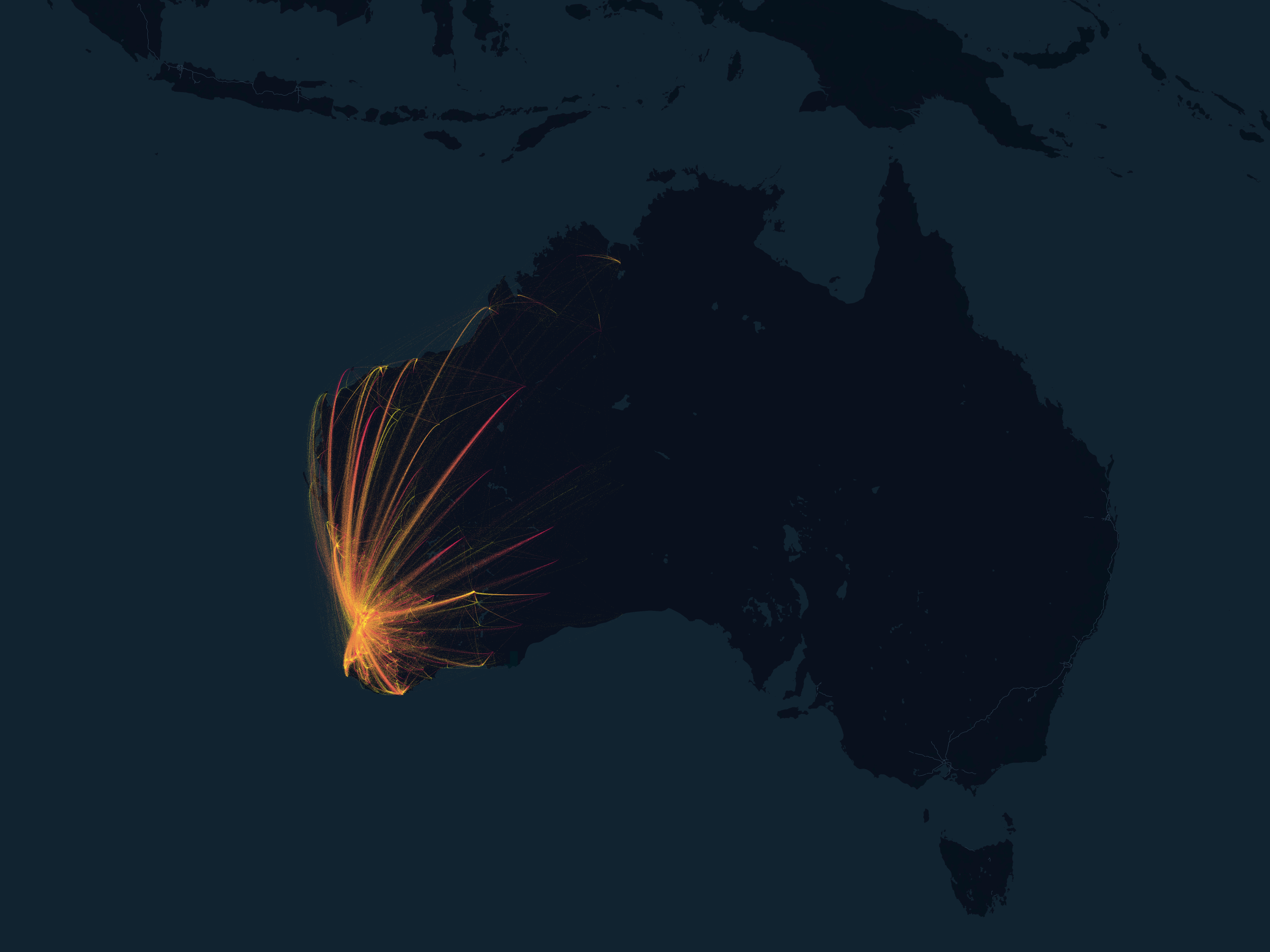
Researchers have developed a new model for simulating covid-19 outbreaks in Western Australia.