
Search
Obstructive sleep apnea is a risk factor for respiratory depression following opioid administration as well as opioid-induced hyperalgesia. Little is known on how obstructive sleep apnea status is associated with central ventilatory depression in pediatric surgical patients given a single dose of fentanyl.
A previous cohort of adenotonsillectomy patients at our institution demonstrated moderate-severe post-tonsillectomy pain scores lasting a median (range) duration of 6 (0-23) days and postdischarge nausea and vomiting affecting 8% of children on day 1 following surgery. In this subsequent cohort, we evaluate the impact of changes to our discharge medication and parental education on post-tonsillectomy pain and recovery profile.
Reasons for elective surgery cancelations and their impact vary from one institution to another. Cancelations have emotional and financial implications for patients and their families. Our service has a particularly broad and geographically diverse patient population; hence, we sought to examine these impacts in our service.
Hypoactive delirium is present when an awake child is unaware of his or her surroundings, is unable to focus attention, and appears quiet and withdrawn. This condition has been well-described in the intensive care setting but has not been extensively studied in the immediate post-anesthetic period. The aim was to determine if hypoactive emergence delirium occurs in the recovery unit of a pediatric hospital, and if so, what proportion of emergence delirium is hypoactive in nature.
The design of a videolaryngoscope blade may affect its efficacy. We classified videolaryngoscope blades as standard and non-standard shapes to compare their efficacy performing tracheal intubation in children enrolled in the Paediatric Difficult Intubation Registry.
Coronavirus disease 2019 (COVID-19) is caused by severe acute respiratory syndrome coronavirus 2 (SARS-CoV-2) and has many similarities to severe acute respiratory syndrome (SARS) and Middle East respiratory syndrome (MERS). While reported morbidity and mortality from COVID-19 are lower than from SARS and MERS, many health care workers have been infected (up to 15% of health care workers in Victoria).
The COVID-19 pandemic introduced challenges to everyone in society but particularly so to every aspect of medical practice. It is bewildering how quickly the profession has had to respond to rapidly changing clinical landscape. Our well-established methods involve collecting and analyzing data to generate an evidence base which is then disseminated and implemented into routine clinical practice.

Five The Kids Research Institute Australia researchers working across diverse and highly impactful areas of child health research have been named as finalists for the 2023 Premier’s Science Awards.
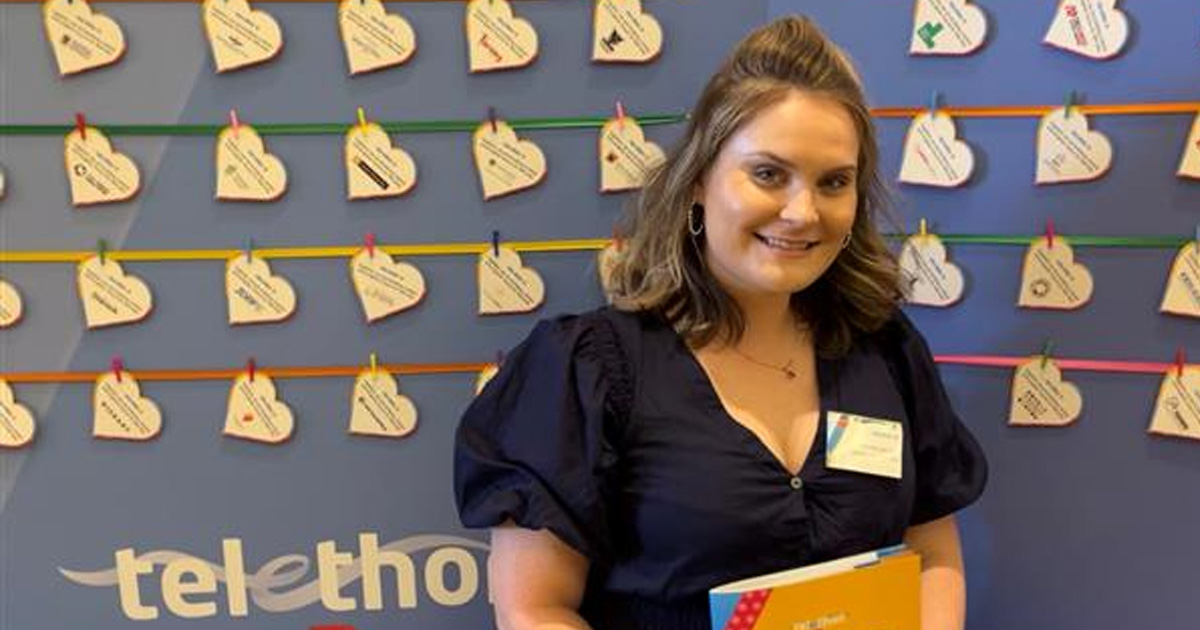
The generous support of West Australians through Channel 7’s Telethon Trust will help support vital child health research at The Kids Research Institute Australia in 2023.
COVID-19 forced healthcare systems to make unprecedented changes in clinical care processes. The authors hypothesized that the COVID-19 pandemic adversely impacted timely access to care, perioperative processes, and clinical outcomes for pediatric patients undergoing primary appendectomy.