
Search
For cystic fibrosis (CF) patients older than 6 years there are convincing data that suggest respiratory tract exacerbations (RTE) play an important role in...
The aim of this study was to assess if MMP activation positively correlates with neutrophil elastase activity, disease severity and bronchiectasis in young...
To investigate changes in trapped air volume and distribution over time and compare computed tomography (CT) with pulmonary function tests for determining...
No evidence to demonstrate relationships with symptoms and viruses, prolonged symptoms, prolonged shedding or patterns of virus infections in CF
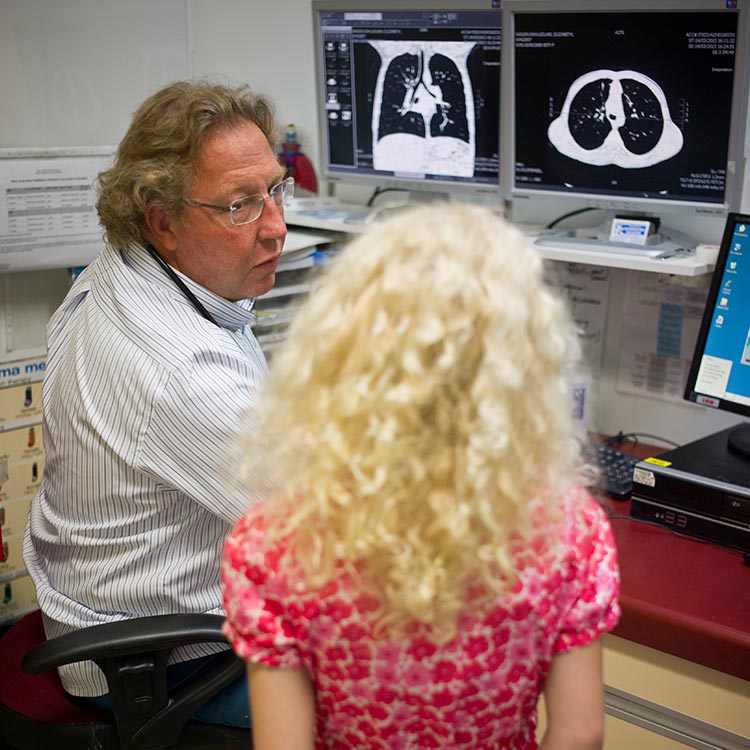
Early intervention is being touted as the key to preventing lung damage in children with cystic fibrosis.
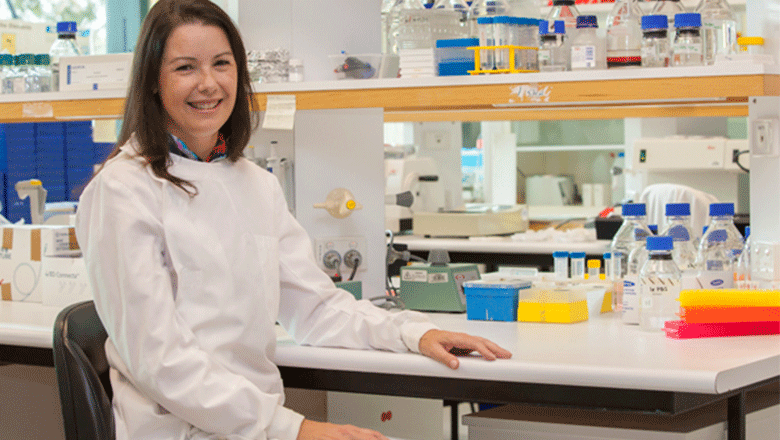
When Ingrid Laing was born, the outlook for kids with cystic fibrosis was bleak. Her parents were told she might make it to 20 if she was lucky.

We are looking for 6 new members to join our Child and Adolescent Cystic Fibrosis Consumer Reference Group of WA
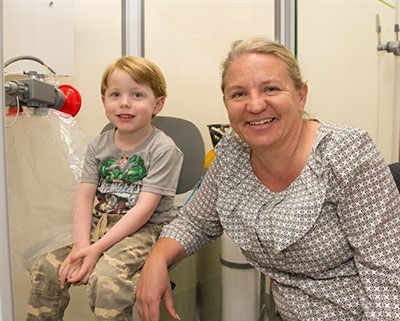
That's why Melissa has signed up her four year old healthy son Odin for a study at Perth's The Kids Research Institute Australia that will help kids with cystic fibrosis.
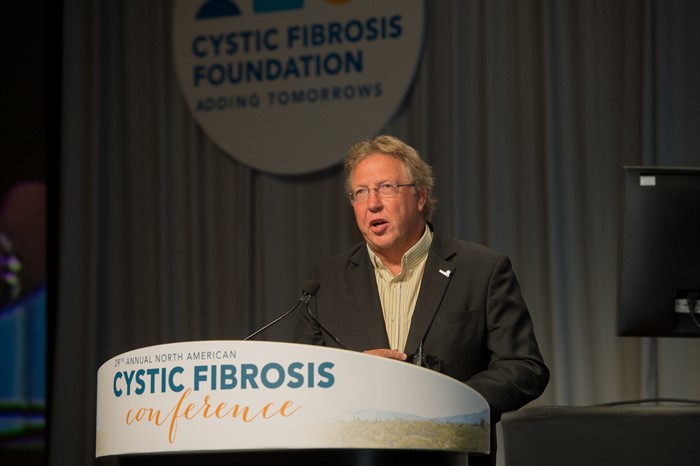
Professor Stephen Stick has been awarded the prestigious Richard C. Talamo Distinguished Clinical Achievement Award from the US Cystic Fibrosis Foundation.
Researchers at Perth's Telethon Institute are one step closer to preventing serious lung disease which is the main cause of suffering in cystic fibrosis.