Skip to content
The Kids Research Institute Australia logo
Donate

Search

Respiratory Syncytial Virus Strain Evolution and Mutations in Western Australia in the Context of Nirsevimab Prophylaxis

Nirsevimab is a long-acting monoclonal antibody used to prevent respiratory syncytial virus (RSV) infection in infants and high-risk children. During the 2024 RSV season in Western Australia, 21 922 doses were administered to infants entering their first season and 1221 doses to at-risk children. In this context, the selection and spread of escape variants are a potential concern. This study aimed to investigate nirsevimab binding site mutations using clinical and wastewater data.

Spatiotemporal patterns of influenza in Western Australia

Understanding the geospatial distribution of influenza infection and the risk factors associated with infection clustering can inform targeted preventive interventions. We conducted a geospatial analysis to investigate the spatial patterns and identify drivers of medically attended influenza infection across all age groups in Western Australia.

‘Beyond core business’: A qualitative review of activities supporting environmental health within remote Western Australian schools

Aboriginal children and families contend with higher rates of preventable infectious diseases that can be attributed to their immediate living environment. The environments in which children spend most of their time are their homes and schools. We aimed to understand the opportunities in the school setting to support student skin health and wellbeing through environmental health activities, how these activities were completed, and the barriers to their implementation.

Topical antibiotics for chronic suppurative otitis media

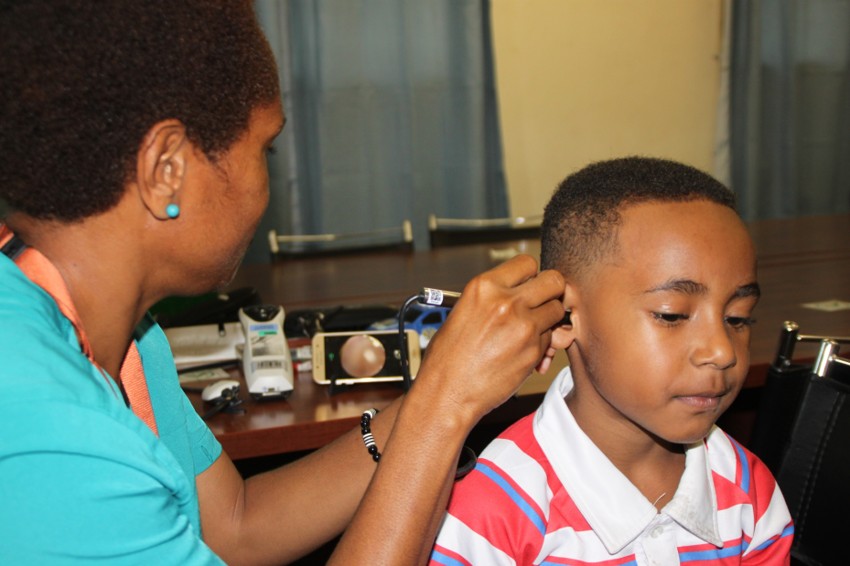
Chronic suppurative otitis media (CSOM), sometimes referred to as chronic otitis media, is a chronic inflammation and often polymicrobial infection (involving more than one micro-organism) of the middle ear and mastoid cavity, characterised by ear discharge (otorrhoea) through a perforated tympanic membrane.

Postsepsis Care Needs in Children and Families: Single-Center, Codesign Qualitative Research from Western Australia

Sepsis, for children and their parents, is a life-altering illness with far-reaching psychosocial and physical impacts. We aimed to explore the needs of such patients and their parents after hospital admission for sepsis to inform the development of a Western Australian postsepsis care service.  

Management and outcomes of children hospitalised with COVID-19 including incidental and nosocomial infections in Australia 2020–2023: A national surveillance study

Management and outcomes of children hospitalised with acute SARS-CoV-2 infection may differ throughout the pandemic or with admission type (clinical COVID-19, incidental COVID-19 or nosocomial infection).

Acellular Pertussis Vaccine Given in the Week After Birth Does Not Impair Antibody Responses to Later Childhood Doses

A birth acellular pertussis vaccine may be a valuable alternative for immunity against infant pertussis when a pregnancy pertussis vaccine has not been administered. We assessed whether a birth dose may impair immunoglobulin G (IgG) responses to childhood pertussis boosters.

Estimating the impact of Western Australia's first respiratory syncytial virus immunisation program for all infants: A mathematical modelling study

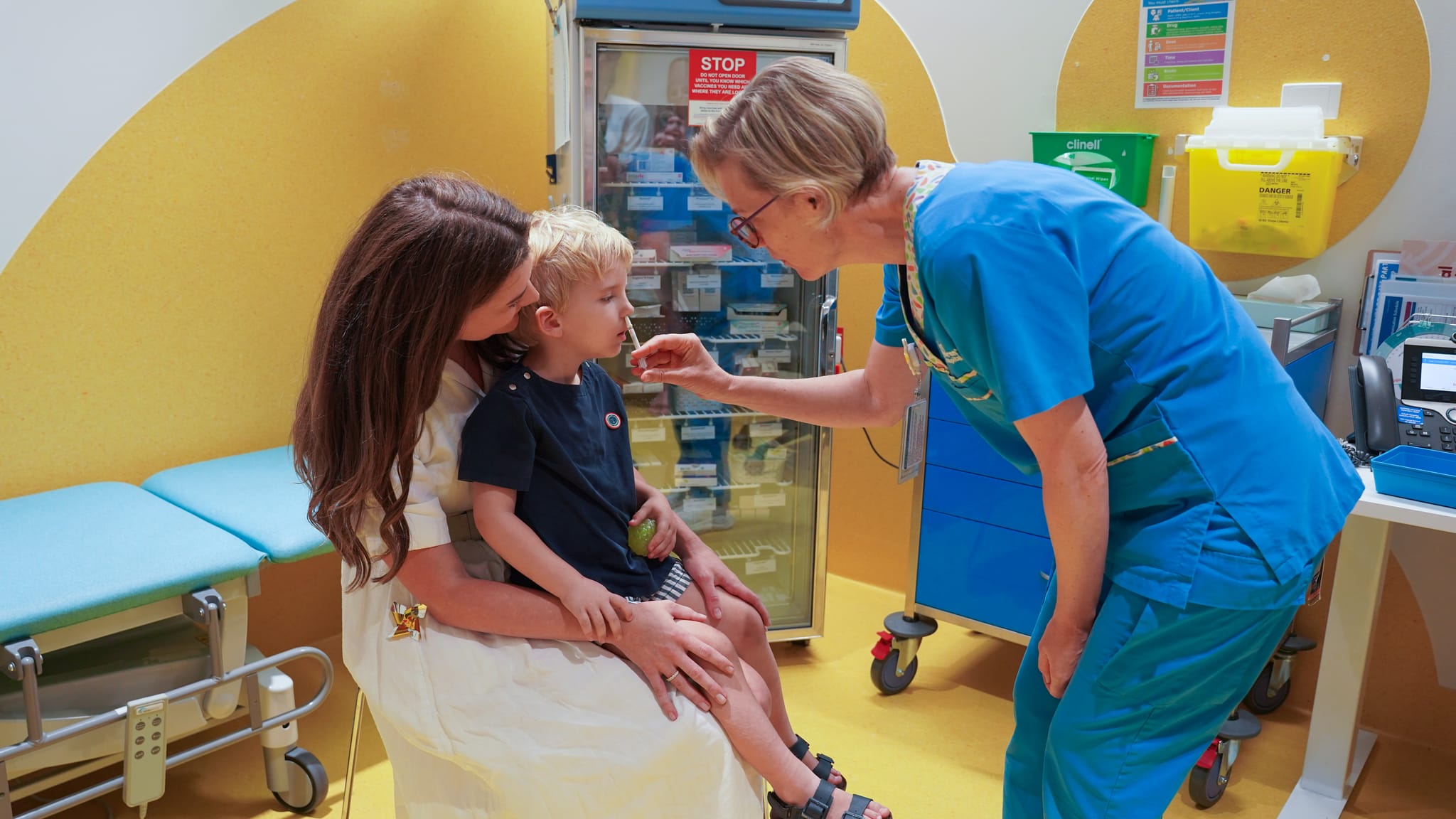
The Australian Therapeutic Goods Administration approved the use of nirsevimab, a long-acting monoclonal antibody for the prevention of Respiratory Syncytial Virus (RSV), in November 2023. Western Australia (WA) implemented a combination of nirsevimab administration strategies designed to protect all infants starting in April 2024, before the epidemic season. We developed a dynamic transmission model to predict the impact of WA's RSV immunisation program on infant hospitalisations.

Severe adverse reactions to benzathine penicillin G in rheumatic heart disease: A systematic review and meta-analysis

Fear of severe adverse reaction (SAR) and reluctance of health care providers to administer intramuscular injections are major contributing factors to poor adherence of benzathine penicillin G (BPG) in the management of rheumatic heart disease (RHD). However, data on the risk of SARs following BPG injections for RHD are relatively limited and inconclusive. Our systematic review and meta-analysis aimed to evaluate the incidence of SARs associated with BPG injections used for secondary prophylaxis of RHD. 

“Our kids are our future”: Barriers and facilitators to vaccine uptake and timeliness among Aboriginal children younger than five years in Boorloo (Perth), Western Australia

Rates of several vaccine preventable diseases, and associated hospitalisation, are higher among Aboriginal and/or Torres Strait Islander children than non-Indigenous children. Western Australia has among the lowest childhood vaccine coverage in Australia, particularly among Aboriginal and/or Torres Strait Islander children. Delayed vaccination is also more common in this population. This project aimed to understand the barriers and facilitators to vaccine uptake and timeliness among Aboriginal and/or Torres Strait Islander children aged under five years in Boorloo (Perth).