
Search

In 2006, when a Japanese scientist building on the earlier work of a British biologist discovered a way to reprogram adult cells into other cell types – making them ‘pluripotent’ – the scientific world was entranced.

A small group program to help parents tackle anxiety in young children diagnosed with autism has found significant improvements in both children’s anxiety and parental mental health and wellbeing.

It’s a brave move to upend your entire family to seek a fresh start – or safety – in a new country: even braver when the country you’re moving to has a completely different language, structure and cultural outlook.
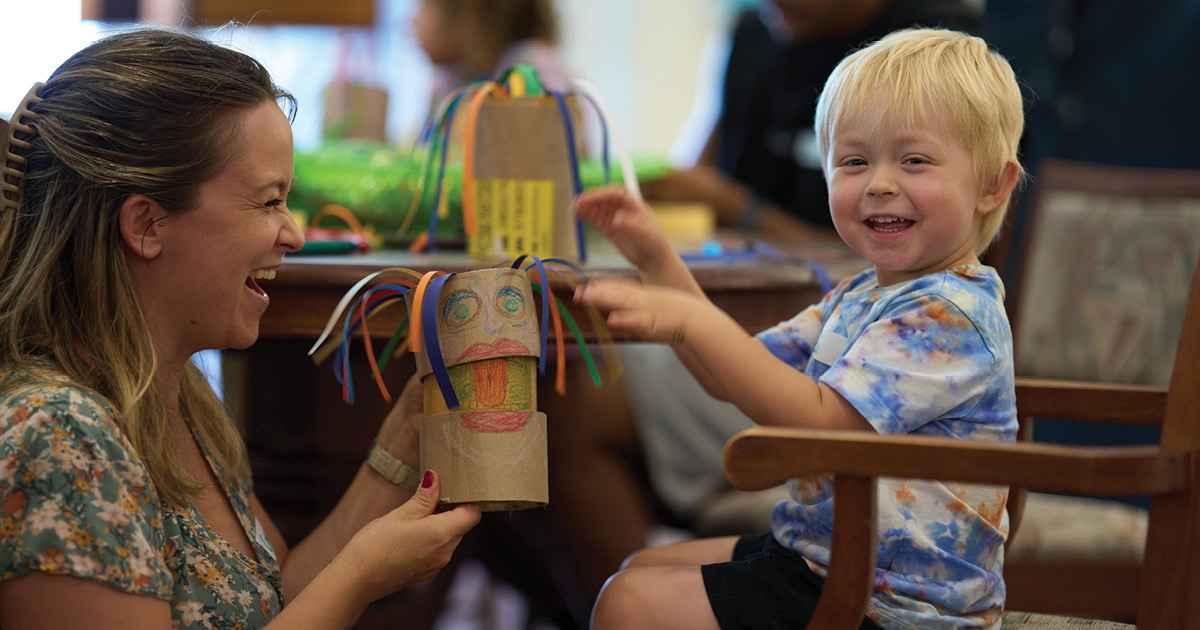
When author Maurice Sendak first sketched out the story of a rambunctious little boy sent to his room without supper, there’s no way he could have known his rollercoaster tale of childhood imagination would still be speaking to the hearts of wild young things more than six decades on.
A world-first study led by Dr Aveni Haynes at The Kids’ Rio Tinto Children’s Diabetes Centre, is helping to detect early changes in blood sugar levels.
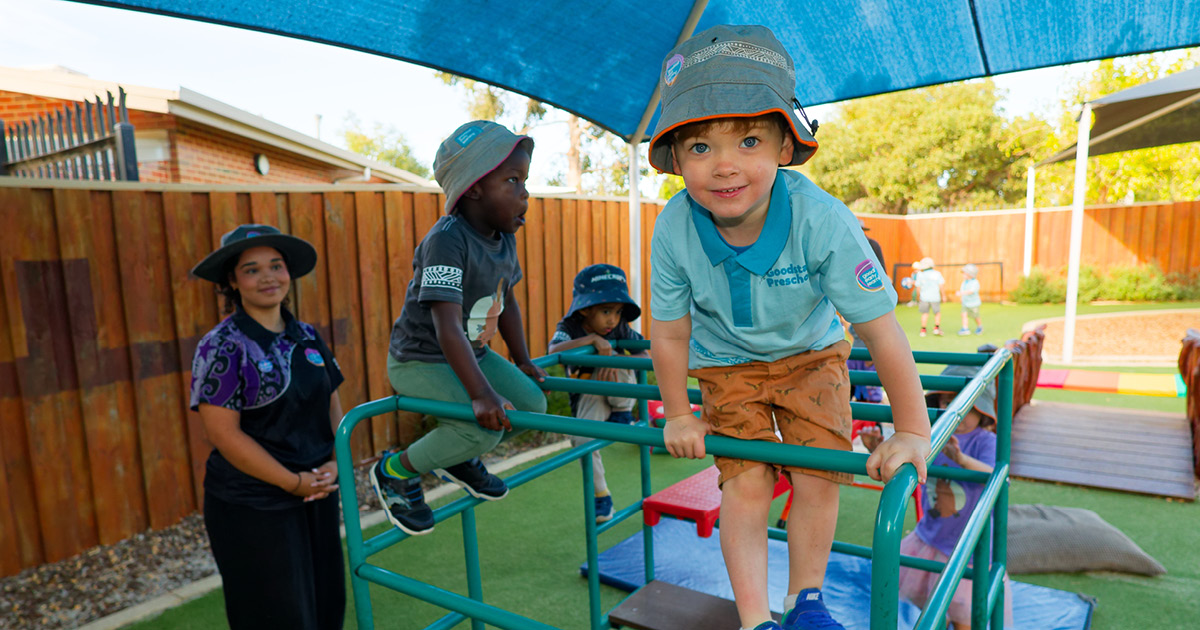
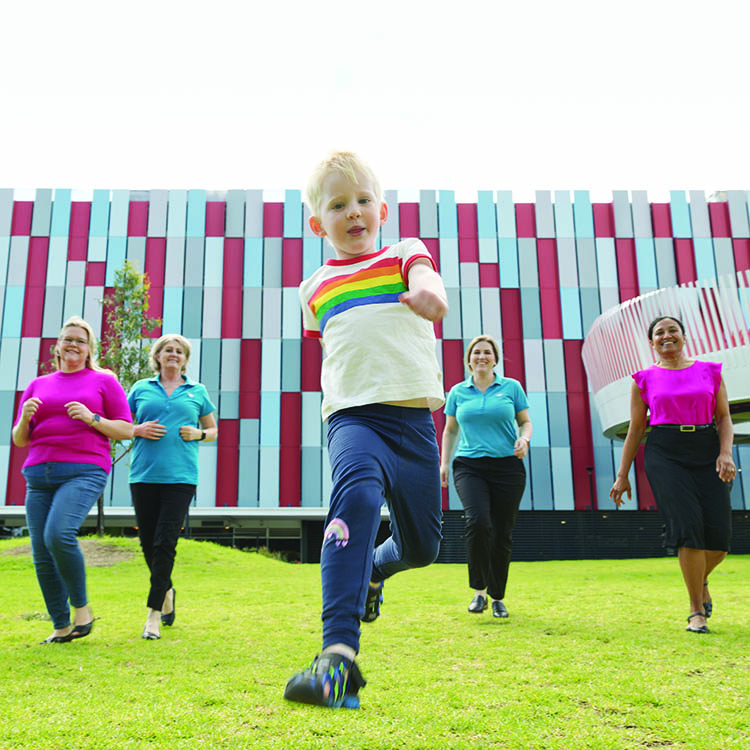
More than 80,000 Australian children are expected to benefit from a trial being rolled out to 700 childcare centres across the country that aims to boost declining physical activity levels.
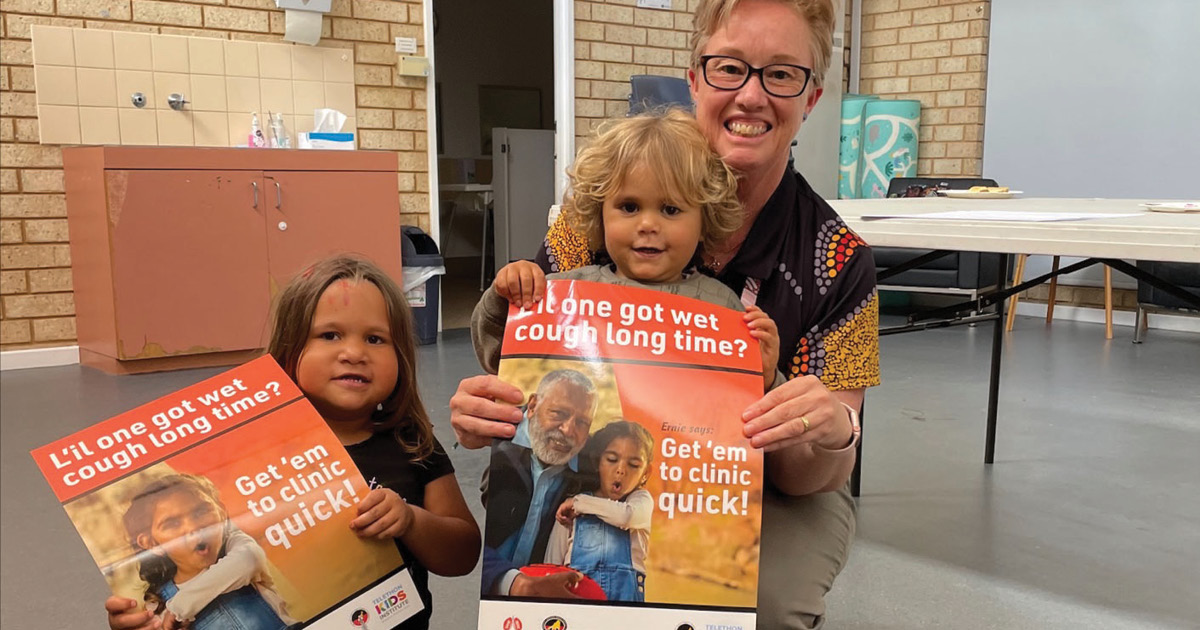
A program aimed at raising awareness of the dangers of a chronic wet cough in Aboriginal children has been extended to 14 remote and regional towns in Western Australia - thanks to a partnership between The Kids Research Institute Australia and Cystic Fibrosis WA.
Children with early-stage (pre-symptomatic) type 1 diabetes are currently identified primarily via research-based screening programmes in Australia. Once identified, families live with the knowledge that their child has an increased chance of developing symptomatic, lifelong, insulin-requiring type 1 diabetes but have no specific clinical pathway available to them in Western Australia for accessing tailored support or education. This project aimed to co-design a new clinical pathway to address this unmet need.
When doctors working within healthcare systems under pressure perpetrate, witness, or fail to prevent acts that contradict their own moral or ethical values and expectations, it can lead to moral distress or moral injury. This can result from active behaviour and from purposeful inactive behaviour. It is a growing and critical concern, representing significant distress that extends far beyond traditional concepts such as burnout. This article discusses moral injury in clinical and academic medicine and actively gives suggestions to prevent and address moral injury.
Pediatric perioperative care can be described as a journey, starting when surgery is first contemplated, all the way through to a patient’s full recovery. For the child and their family, this journey spans from the time at home pre-operatively through a hospital stay and finishes with at-home recovery.