
Search
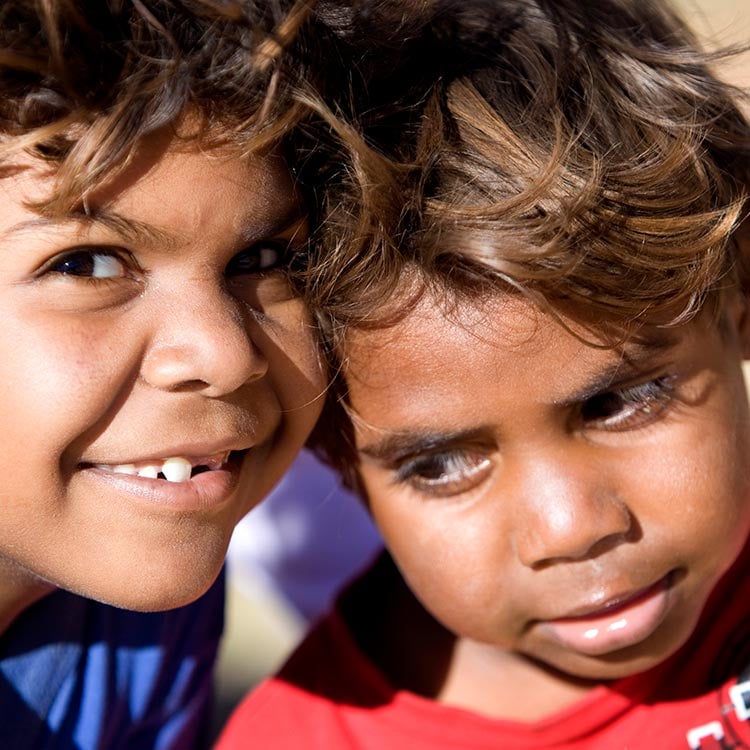
A multi-disciplinary team of researchers will use more than 40 years of data to pinpoint crucial areas that could be “turning points” in development where intervention could contribute to closing the gap in Aboriginal health in Australia.
Amidst growing concerns over heightened natural disaster risks, this study pioneers an inquiry into the causal impacts of cyclones on the demand for private health insurance in Australia. We amalgamate a nationally representative longitudinal dataset with historical cyclone records, employing an individual fixed effects model to assess the impacts of various exogenously determined cyclone exposure measures.

In a world where TikTok dances and Minecraft adventures take centre stage, kids are spending more time online than ever before.
Amidst the evolving COVID-19 pandemic, understanding the transmission dynamics of the SARS-CoV-2 virus is key to providing peace of mind for the community and informing policy-making decisions. While available data suggest that school-aged children are not significant spreaders of SARS-CoV-2, the possibility of transmission in schools remains an ongoing concern, especially among an aging teaching workforce. Even in low-prevalence settings, communities must balance the potential risk of transmission with the need for students' ongoing education.
Despite the volume of accumulating knowledge from prospective Aboriginal cohort studies, longitudinal data describing developmental trajectories in health and well-being is limited.
Incarceration represents a source of ongoing socioeconomic and health inequity between Aboriginal and non-Aboriginal populations, limiting life changes and opportunities.
This project seeks to better understand the broader impacts of the AMEP on migrant outcomes.
This study aims to examine the experience of multiple disadvantages in two generations of Australian families, and how these experiences relate to the trajectories of children, the third generation.
This project aims to explore how Australian children spend their time over an extended and important period of their lives (from birth to 16/17 years old) and how such time allocation contributes to their development outcomes.
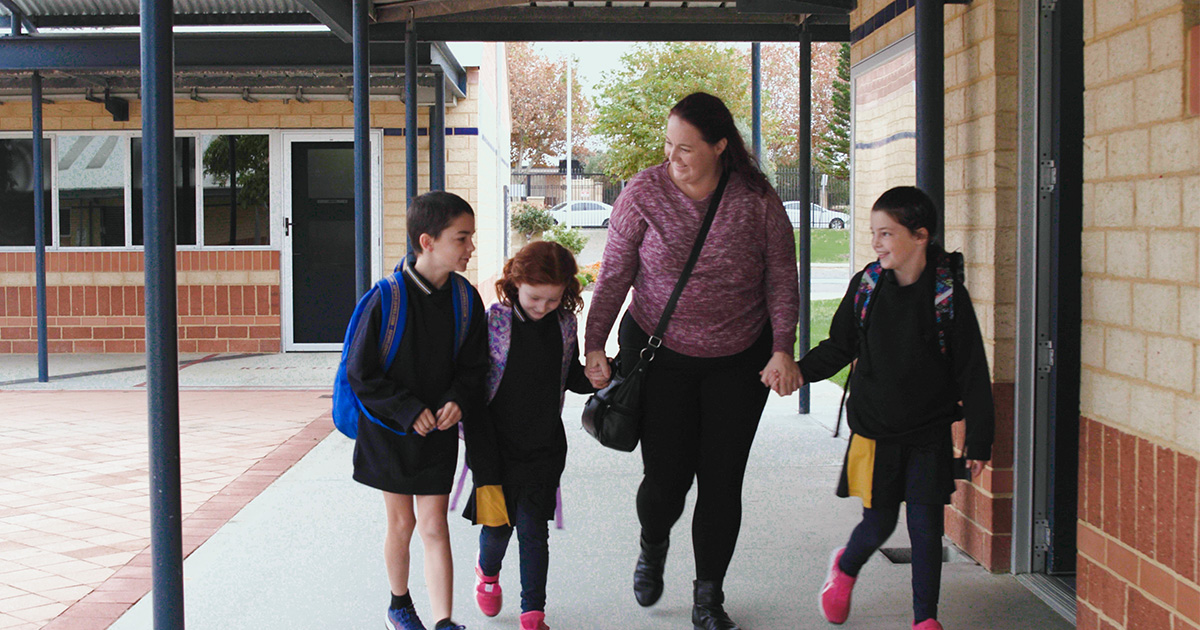
Researchers will use cutting edge big data and geospatial modelling techniques to tackle the dramatic decline in the number of West Australian children walking or riding to school.