
Search
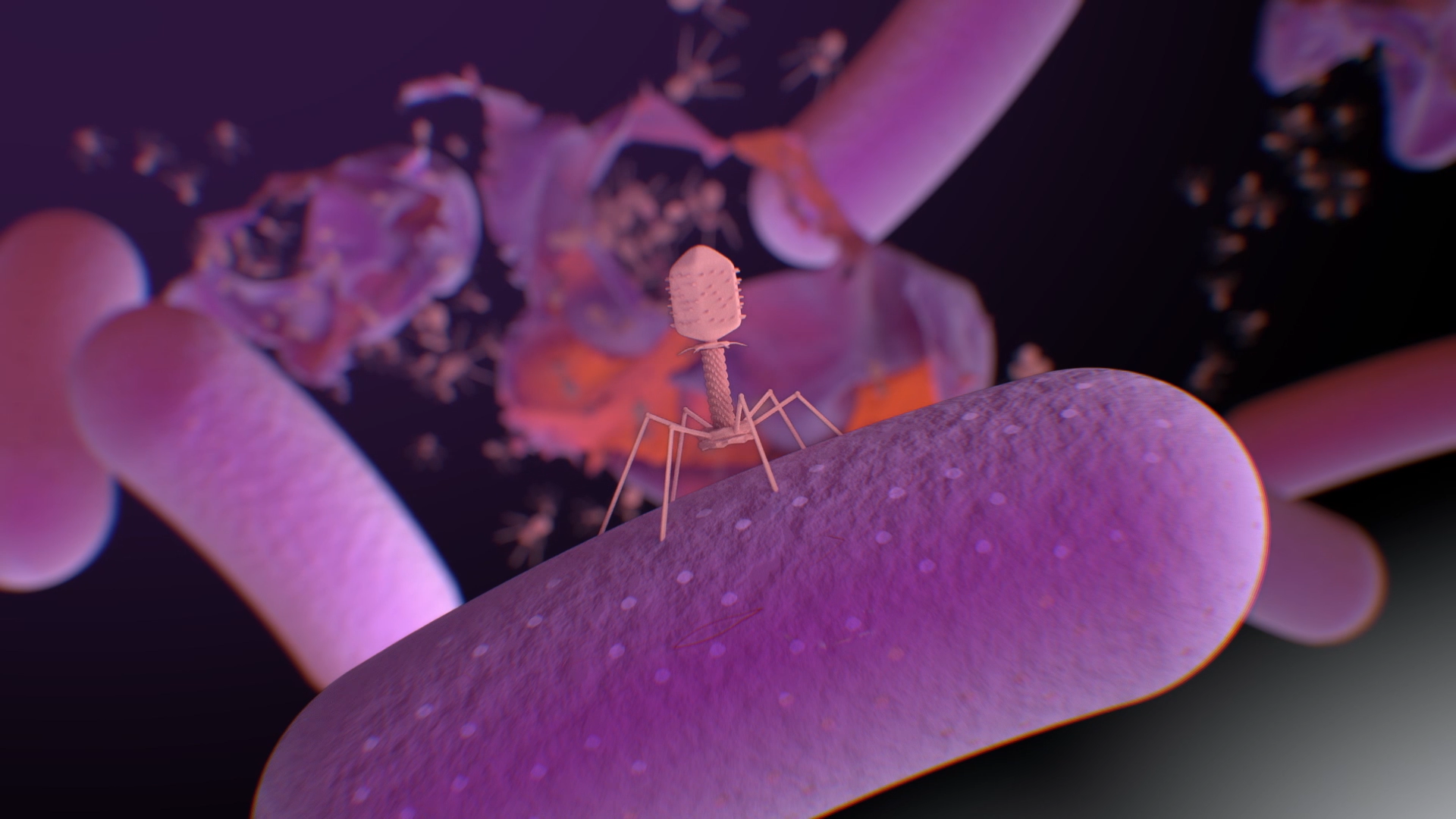
Here are some of the most common questions about phage, phage therapy and antimicrobial resistance (AMR).

The Beacon Project team have partnered with the world's best - eSafety Commissioner and Common Sense Media - to ensure that the Beacon cyber safety app is able to provide reviews on some of the most popular apps and games to keep you up-to-date and on top of the trends in Australia.
News & Events
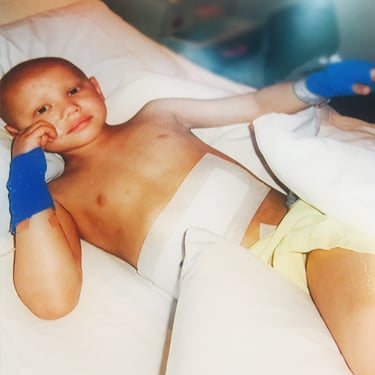
Childhood cancer story: How Rennae's child's cancer diagnosis affected her familyRennae's son Samuel was diagnosed with stage 4 neuroblastoma 13 years ago, and was originally given a 20% chance of survival. She bravely shares their story.

Get your workplace and colleagues involved

Philanthropically-minded members of the community are lending their support to The Kids Research Institute Australia’s up-and-comers.
Bright Blue The Police Commissioner's Fund for Sick Kids has generously outfitted the The Kids brain tumour lab with a cancer analysis suite.

Healthy skin is a vital factor in the fight against life-threatening conditions like sepsis, heart disease and kidney disease, all of which can be caused by the bacteria Strep A.
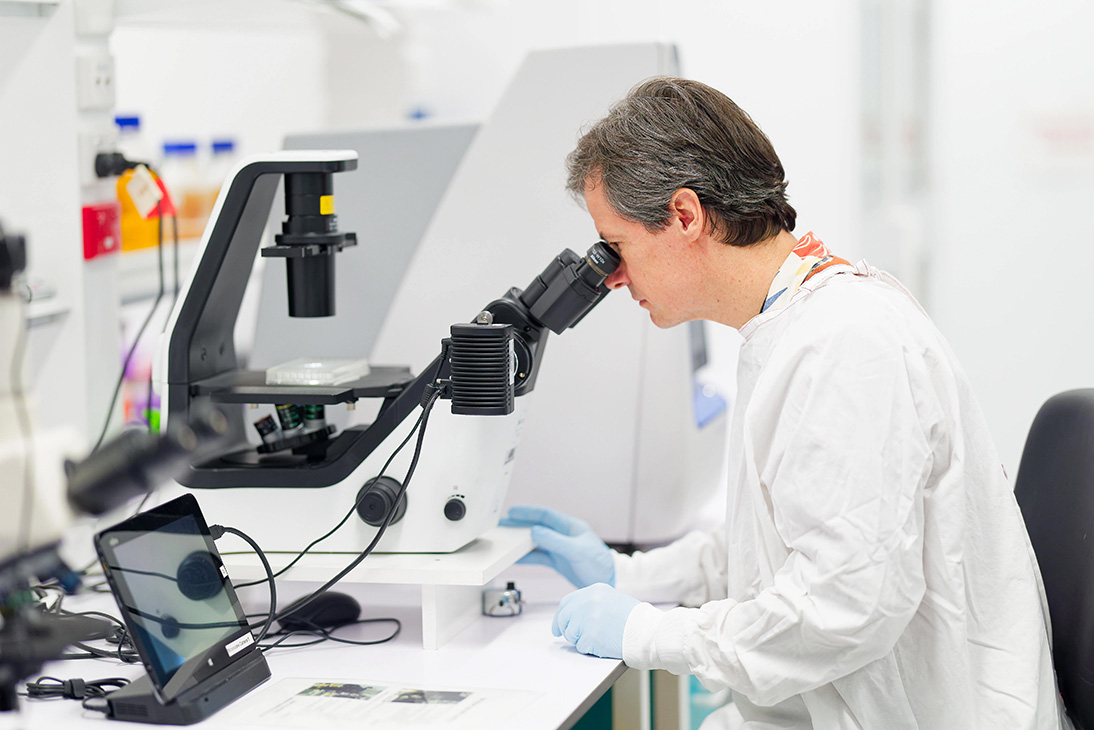
At The Kids Research Institute Australia, we've been thinking of the kids for 35 years. We are finding the answers to some of the biggest problems facing the health and wellbeing of children and families. Our Research Themes host defined programs of work where the Institute has clear strengths and capacity. Our overarching commitment to First Nations Health and Equity is embedded across all our work and features as a core consideration in each Research Theme. The Institute is committed to ending the disparity in health and wellbeing outcomes between Aboriginal and non-Aboriginal kids and families.
Research
Host Immune Response to ScabiesScabies infection is associated with heightened total IgE immunoglobulin and IgE antibodies to scabies antigens, with both being extremely high for crusted scabies patients. The IgE antibodies cross-react with house dust mite allergens with high reactivity found to the minor allergen arginine kinase.