
Search
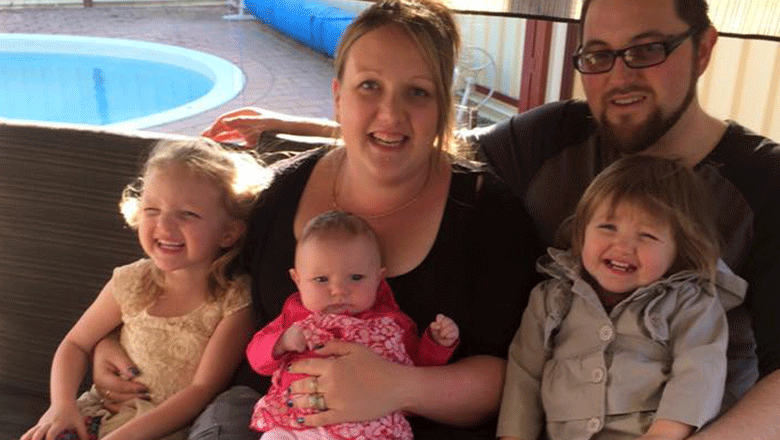
The Kids Research Institute Australia researchers are offering a free nutrition and lifestyle program for plus sized mums and their babies who live in the Joondalup area.
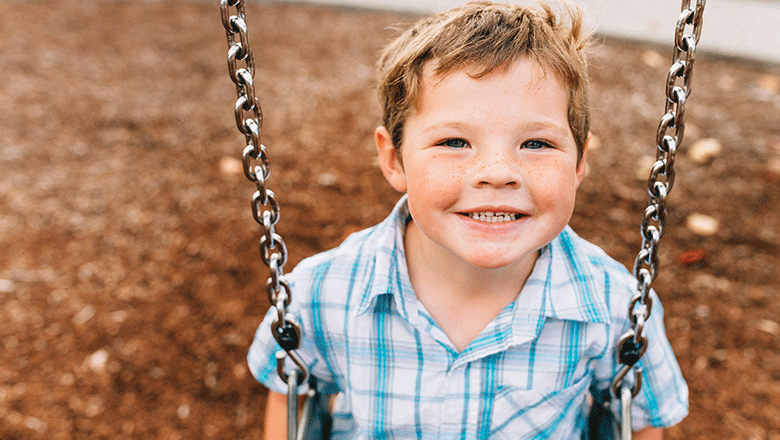
Researchers will track the progress of 12,000 children from birth to age five to identify what services are valuable to families to support the health and wellb

Congratulations to three The Kids Research Institute Australia researchers, who have been awarded funding from the Raine Medical Research Foundation.
Delivering tangible and measurable improvements to the health and wellbeing of children is at the centre of a bold new blueprint for child health research in WA
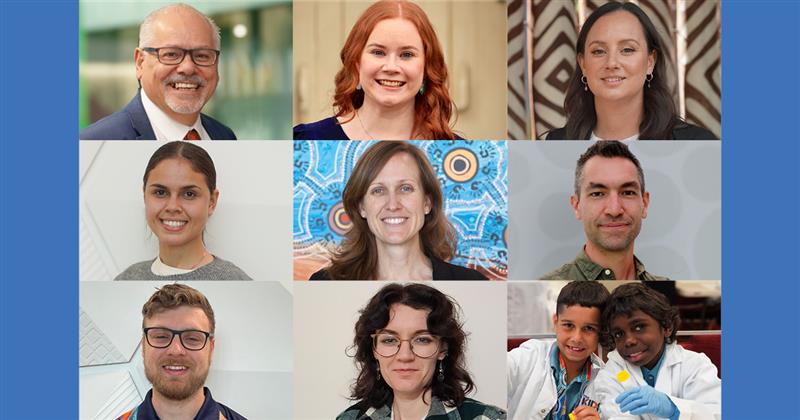
Eight outstanding researchers from The Kids Research Institute Australia and the Institute-led Broome STEM Festival are finalists in the 2025 Premier’s Science Awards.
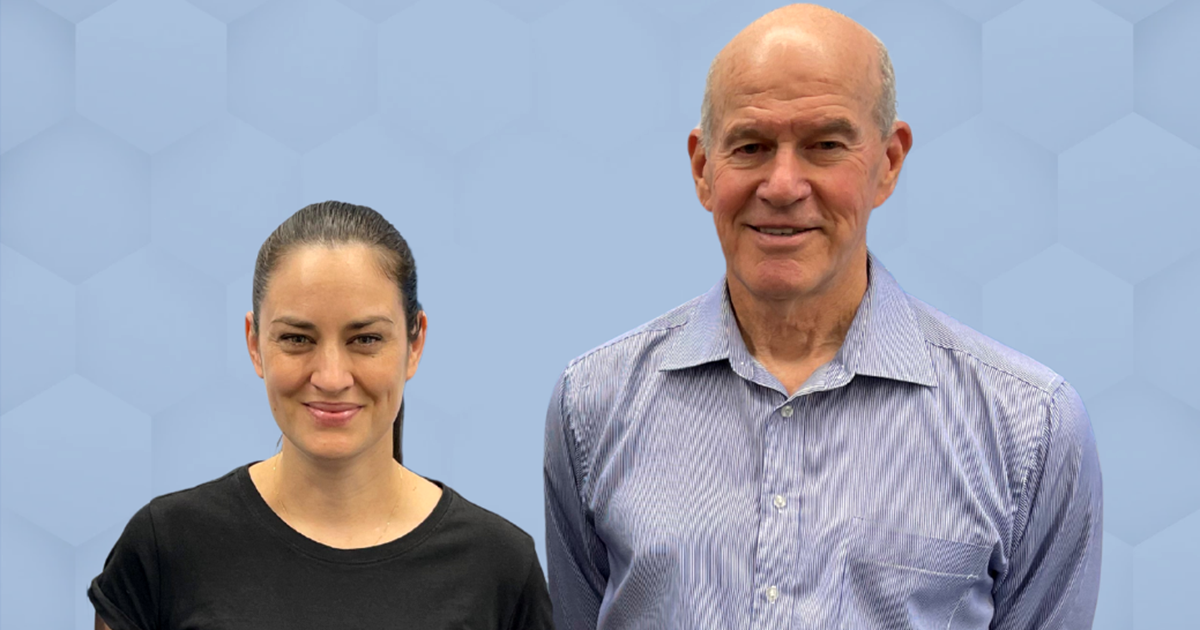
Researchers from The Kids Research Institute Australia have contributed to a landmark study revealing climate change will have a detrimental impact on one of the greatest threats to the health of children in the Global south – diarrhoea.

The Kids Research Institute Australia has been awarded a prestigious National Health and Medical Research Council (NHMRC) tender to lead the national review of the revised Draft Statement on Consumer and Community Involvement in Health and Medical Research.
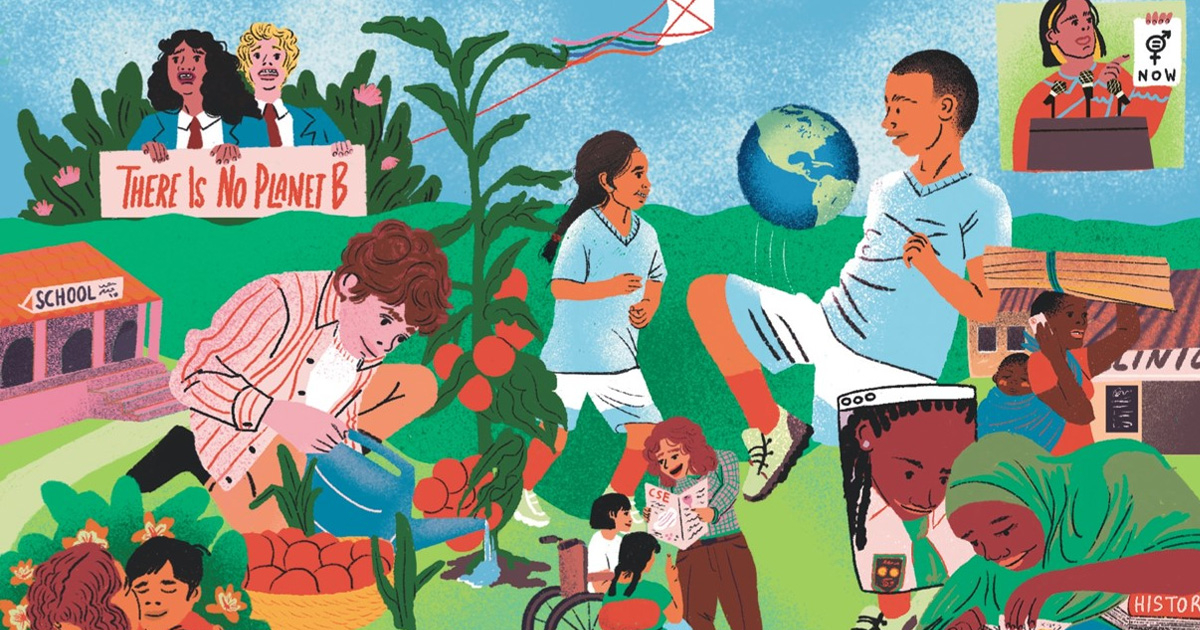
The health of the world’s 1.96 billion adolescents is at a critical tipping point.
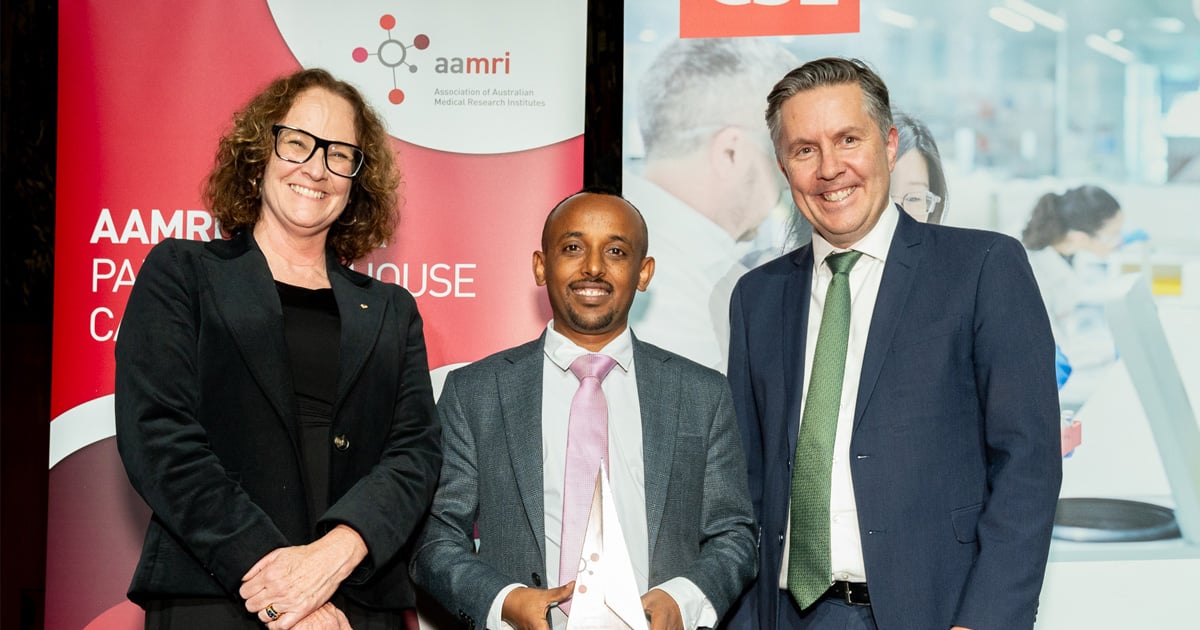
Dr Kefyalew Alene, who heads the Geospatial and Tuberculosis team at The Kids and is a senior research fellow within the Curtin School of Population Health, has used cutting edge technology to transform the way TB transmission is predicted, understood and managed globally.
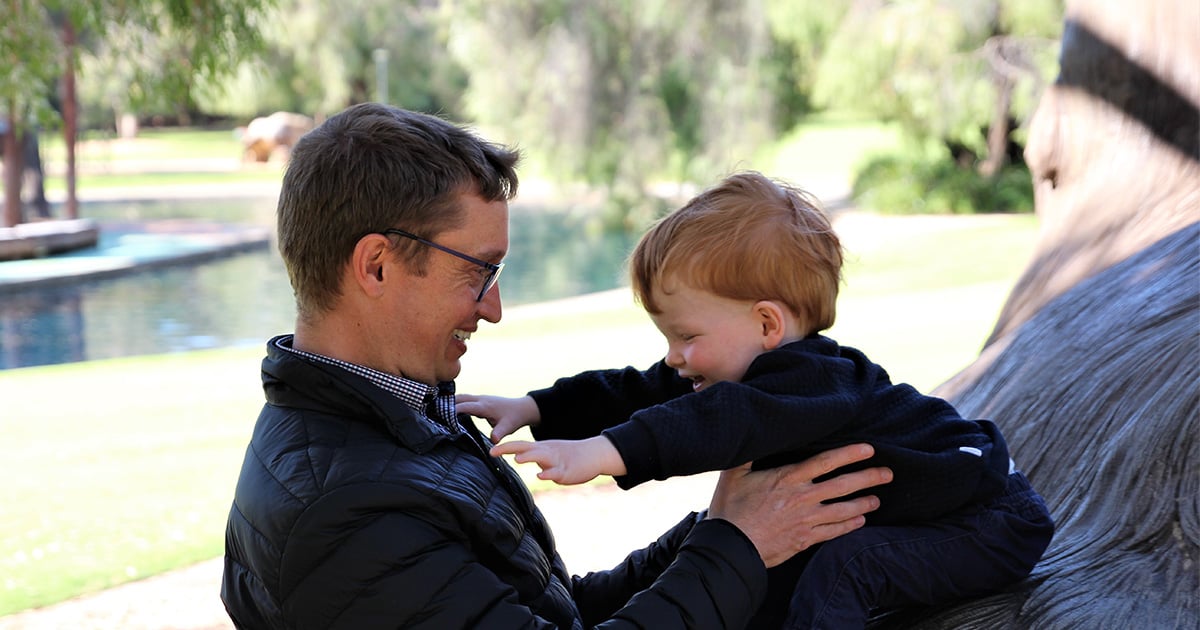
A project that will investigate the role of Australian fathers in their children’s wellbeing and another which aims to help parents grapple with the digital world and its role in teens’ mental health have received significant funding from the Australian Research Council.