
Search
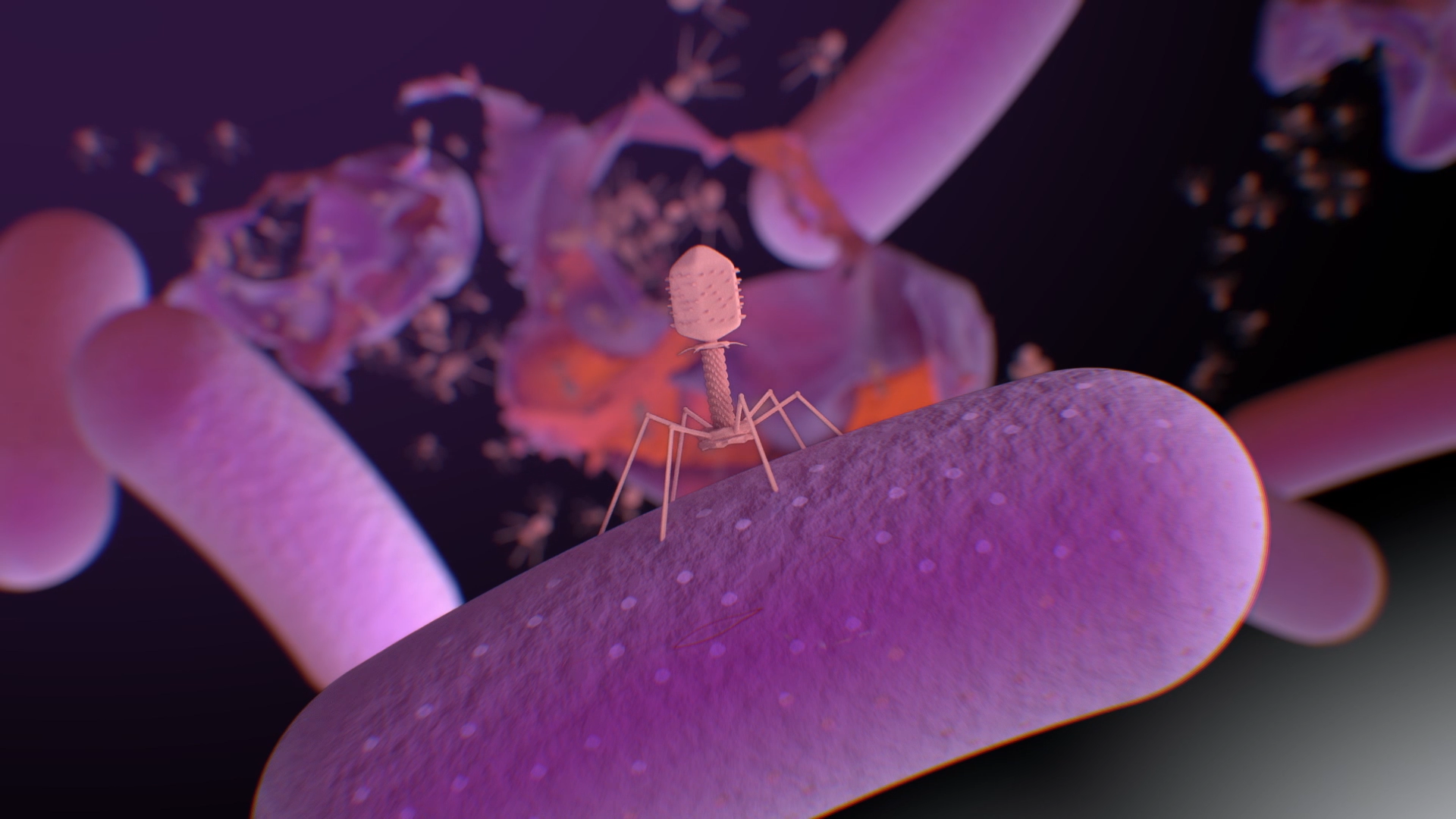
Find out how you can get involved with our work at Phage WA.
Here are some of the most common questions about phage, phage therapy and antimicrobial resistance (AMR).

Inklings is a program to support babies aged 6-18 months showing early differences in their social interaction and communication development.
Nurturing children's health together: A collaboration between early childhood education and care (ECEC) educators and parents on active play and eating well

Deputy Director (Research); Angela Wright Bennett Professor of Autism Research at The Kids Research Institute Australia; Director, CliniKids
The number of words children produce (expressive vocabulary) and understand (receptive vocabulary) changes rapidly during early development, partially due to genetic factors. Here, we performed a meta-genome-wide association study of vocabulary acquisition and investigated polygenic overlap with literacy, cognition, developmental phenotypes, and neurodevelopmental conditions, including attention-deficit/hyperactivity disorder.
Past research has highlighted the importance of early identification of developmental differences to improve targeted access to early interventions or supports. As such, it is of particular importance in the context of children at elevated likelihood of autism (such as where an older sibling has a diagnosis of autism), to better understand when and which early concerns are important as predictors of which children will benefit from pre-diagnostic supports.
The identification of reproducible subtypes within autistic populations is a priority research area in the context of neurodevelopment, to pave the way for identification of biomarkers and targeted treatment recommendations. Few previous studies have considered medical comorbidity alongside behavioural, cognitive, and psychiatric data in subgrouping analyses.
A broad range of interests characterized by unusual content and/or intensity, labeled as circumscribed interests are a core diagnostic feature of autism. Recent evidence suggests that a distinction can be drawn between interests that, although characterized by unusually high intensity and/or inflexibility, are otherwise common in terms of their content (e.g., an interest in movies or animals), labeled as restricted interests and interests that are generally not salient outside of autism (e.g., an interest in traffic lights or categorization), labeled as unusual interests.
Circumscribed interests encompass a range of different interests and related behaviors that can be characterized by either a high intensity but otherwise usual topic [referred to as restricted interests] or by a focus on topics that are not salient outside of autism [referred to as unusual interests].