
Search
Emerging data suggest that air pollution is a persistent source of neuroinflammation, reactive oxygen species, and neuropathology that contributes to central nervous system disorders. Previous research using animal models has shown that exposure to diesel exhaust causes considerable disruption of the blood-brain barrier, leading to marked neuroinflammation.
This study aimed to investigate acamprosate and naltrexone dispensing patterns in Australia.
Alcohol pharmacotherapies pose unknown teratogenic risks in pregnancy and are therefore recommended to be avoided. This limits treatment options for pregnant individuals with alcohol use disorders (AUD). The information on the safety of these medications during pregnancy is uncertain, prompting a scoping review. The objective of this review was to investigate available information on the safety of alcohol pharmacotherapies in pregnancy.
Consumption of nitrate in drinking water has previously been associated with a range of adverse health effects, including methemoglobinemia and potentially cancer. In animal models, it has been shown to impact respiratory structure and function, however, there is a paucity of data of the effects of in utero exposure on the respiratory health of offspring.
Dr Katherine Alexander Landwehr Larcombe BSc(Hons) BScEnv (Hons) PhD Senior Research Officer Honorary Research Fellow Katherine.landwehr@
Electronic cigarettes ("e-cigarettes") are often marketed as smoking cessation tools and are used by smokers to reduce/quit cigarette smoking. The objective of this study was to assess the health effects of switching to e-cigarettes after long-term smoking in a mouse model and compare these effects with continued smoking, or quitting entirely.
Alexander Larcombe BScEnv (Hons) PhD Honorary Research Fellow Honorary Research Fellow Associate Professor Alexander Larcombe began work at The Kids
Alexander Larcombe BScEnv (Hons) PhD Honorary Research Fellow Honorary Research Fellow Associate Professor Alexander Larcombe began work at The Kids
Electronic cigarettes (e-cigarettes) are often perceived to be a less harmful alternative to tobacco cigarettes. Potentially due to this perception, they are used by people with pre-existing respiratory conditions, such as asthma, who otherwise would not smoke. Despite this, there are few studies exploring the health effects of e-cigarette use on pre-existing asthma.
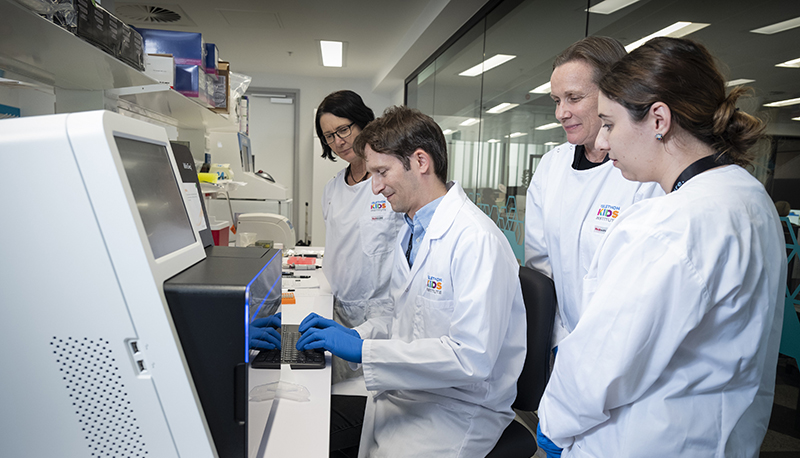
Researchers at The Kids Research Institute Australia working to provide confident diagnoses for children suffering from rare diseases have created a new computer algorithm to help pinpoint the mutations responsible for the conditions.