
Search
Due to their anatomical locations, optic pathway gliomas (OPGs) can rarely be cured by resection. Given the importance of preserving visual function, we analyzed radiological and visual acuity (VA) outcomes for the type II RAF inhibitor tovorafenib in the OPG subgroup of the phase 2 FIREFLY-1 trial.
Gliomas are the most common type of malignant primary central nervous system (CNS) tumors, resulting in significant morbidity and mortality in children and adolescent and young adult (AYA) patients. The discovery of mutations in isocitrate dehydrogenase (IDH) genes has dramatically changed the classification and understanding of gliomas. IDH mutant gliomas have distinct clinical, pathological, and molecular features including a favorable prognosis and response to therapy compared to their wildtype counterparts.
DNA methylation-based classification is now central to contemporary neuro-oncology, as highlighted by the World Health Organization classification of central nervous system tumors. This expansion is a result of newly identified tumor types discovered through our large online repository and global collaborations, underscoring CNS tumor heterogeneity.
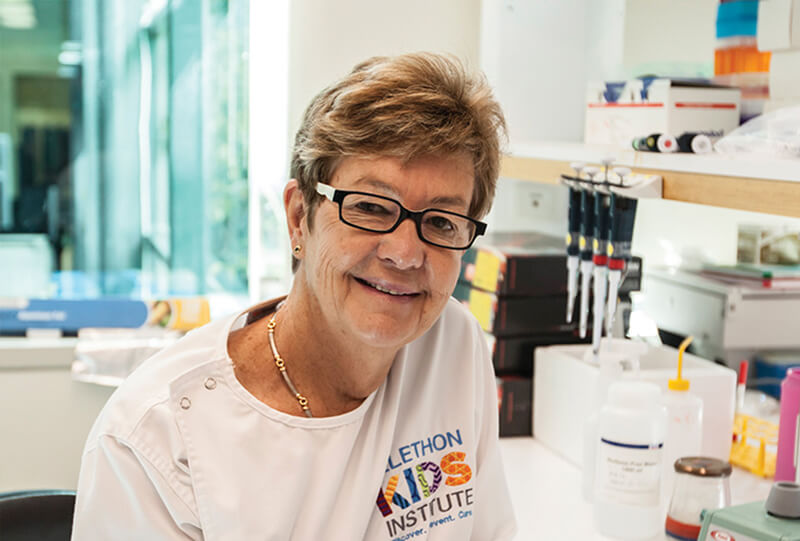
People at risk of developing multiple sclerosis (MS) have been offered a beacon of hope thanks to research into UV exposure.
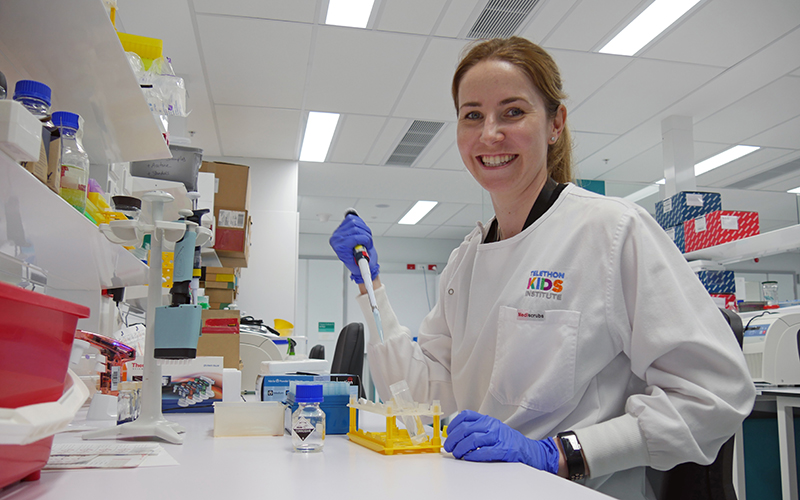
The Kids Research Institute Australia researchers will seek to better understand the relationship between antibodies and inflammation in people with multiple sclerosis (MS), thanks to a generous grant from MS Research Australia.

Wal-yan Respiratory Research Centre PhD student Niamh Troy has found how OM85 helps babies fight off severe lung infections.
Acute rheumatic fever and rheumatic heart disease are caused by untreated group A streptococcus infections. Their prevalence is much higher among First Nations people than other Australians.
This study aimed to investigate potential missed diagnoses of acute rheumatic fever and rheumatic heart disease during hospital-based care among persons subsequently identified with these conditions.
These findings provide reassurance of reasonable equivalence of end-of-life outcomes for Indigenous patients who have been accepted for specialist palliative care
The results suggest that timely injection and patient education are priorities for managing ARF and RHD, particularly focusing on child-to-adult transition care.