
Search
Lung inflammation and impaired alveolarization precede bronchopulmonary dysplasia (BPD). Glucocorticoids are anti-inflammatory and reduce ventilator requirements in preterm infants. However, high-dose glucocorticoids inhibit alveolarization. The effect of glucocorticoids on lung function and structure in preterm newborns exposed to antenatal inflammation is unknown. We hypothesise that postnatal low-dose dexamethasone reduces ventilator requirements, prevents inflammation and BPD-like lung pathology, following antenatal inflammation.
Surfactant is a well-established therapy for preterm neonates affected by respiratory distress syndrome (RDS). The goals of different methods of surfactant administration are to reduce the duration of mechanical ventilation and the severity of bronchopulmonary dysplasia (BPD); however, the optimal administration method remains unknown.
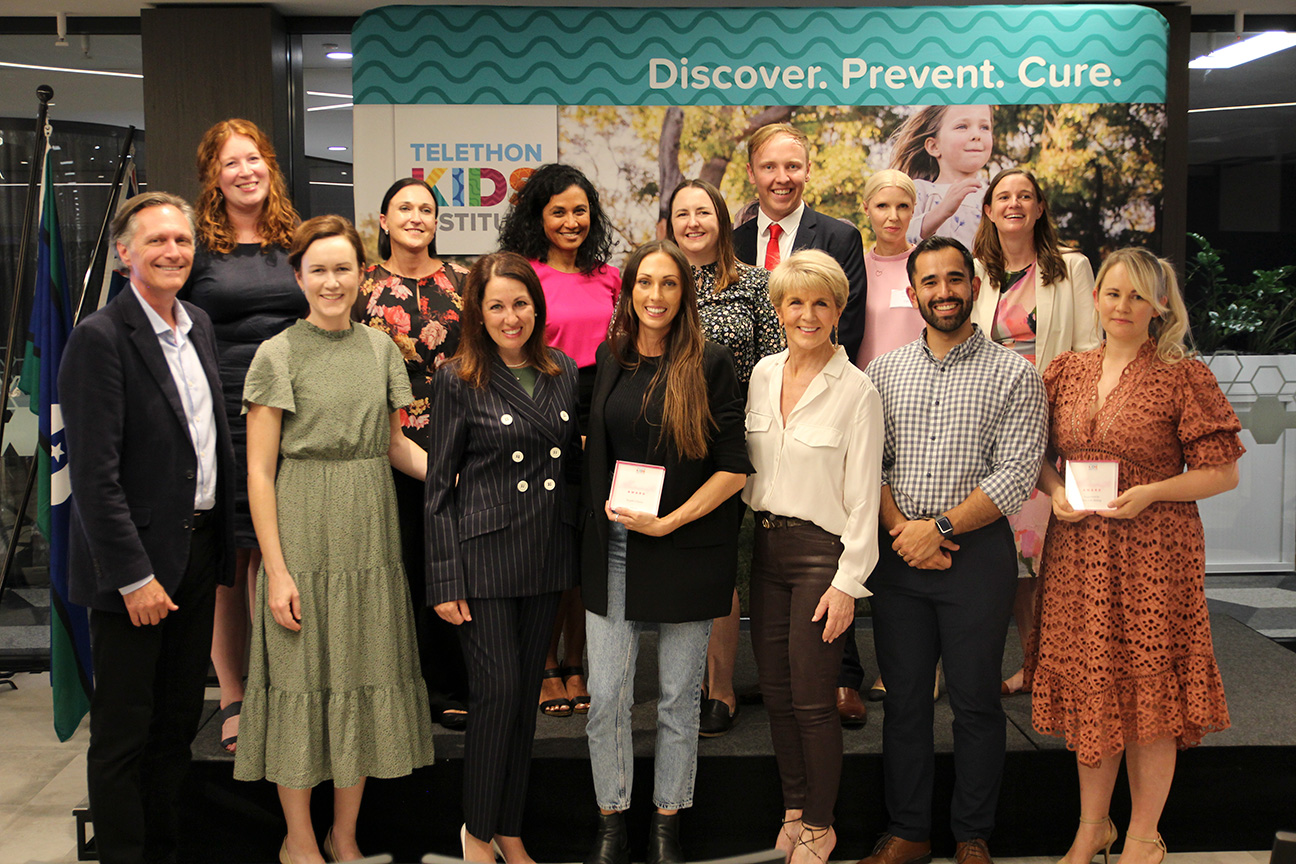
Ten researchers from different areas took to the stage with a carefully crafted presentation and three-minute pitch, in efforts to spark the interest of 80 guests
Understand how bronchopulmonary dysplasia (BPD) and antenatal and postnatal factors influence diaphragmatic functional effectiveness in very preterm infants.
Jane Pillow BMedSci (Dist) MBBS, PhD (Dist) FRACP Head, Developmental Chronobiology jane.pillow@thekids.org.au Head, Developmental Chronobiology
Jane Pillow BMedSci (Dist) MBBS, PhD (Dist) FRACP Head, Developmental Chronobiology jane.pillow@thekids.org.au Head, Developmental Chronobiology
Since the first description of bronchopulmonary dysplasia (BPD), multiple definitions to diagnose BPD and its grading have been published. Several studies have compared the predictive performance of these definitions for long-term outcomes. The objective was to identify the BPD definition with the optimal predictive performance for long-term respiratory and neurological outcomes in preterm infants.
Delivering cancer control at scale for Aboriginal and Torres Strait Islander communities is a national priority that requires Aboriginal and Torres Strait Islander leadership and codesign, as well as significant involvement of the Aboriginal community-controlled health sector. The unique genomic variation observed among Aboriginal and Torres Strait Islander peoples may have implications for standard and precision medicine.
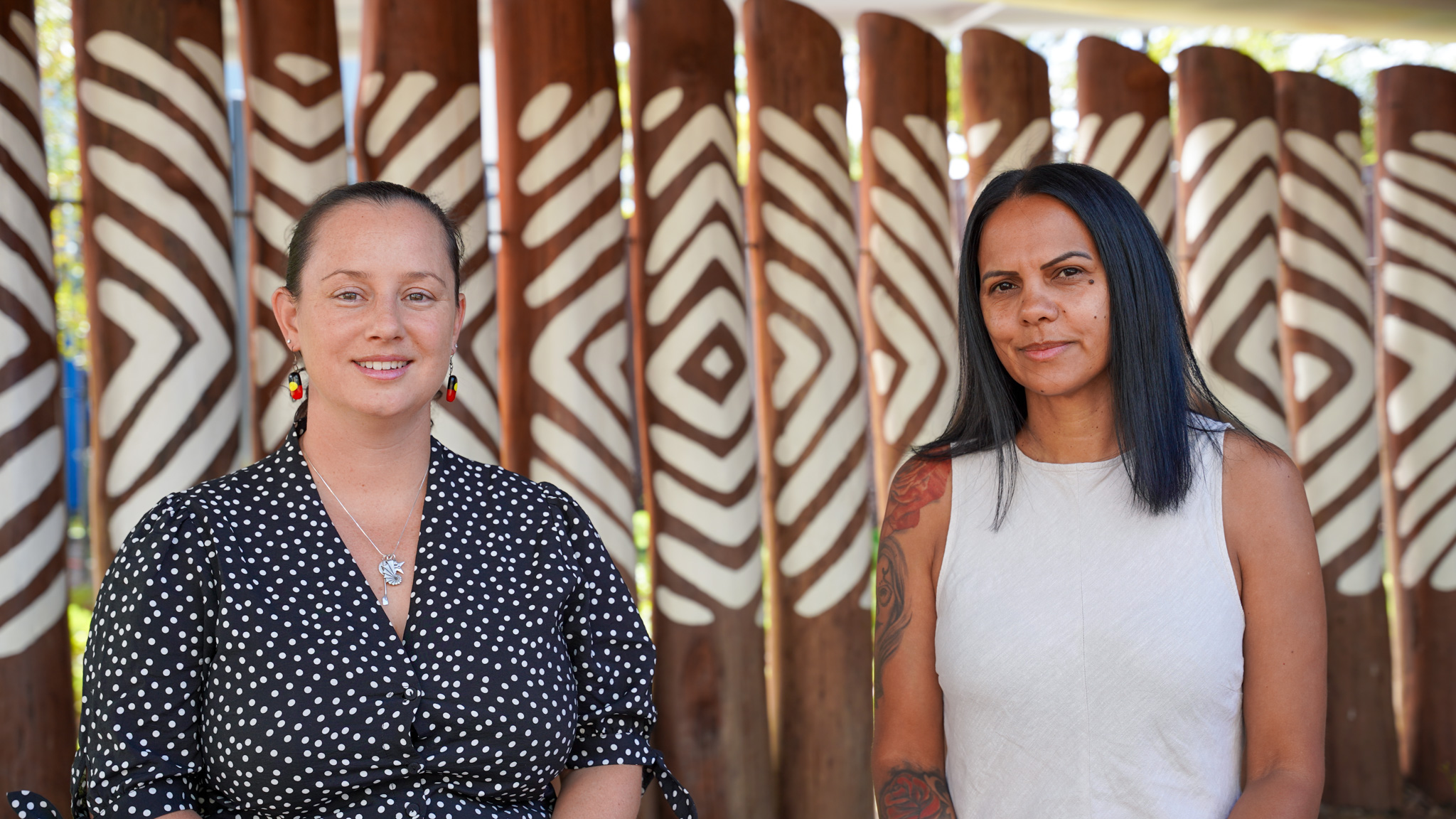
A first of its kind research program at The Kids Research Institute Australia aims to develop new strategies to better treat Aboriginal and Torres Strait Islander children with cancer.

Valuable support from the Raine Medical Research Foundation’s 2025 grant round will power four new research projects at The Kids Research Institute Australia.