
Search
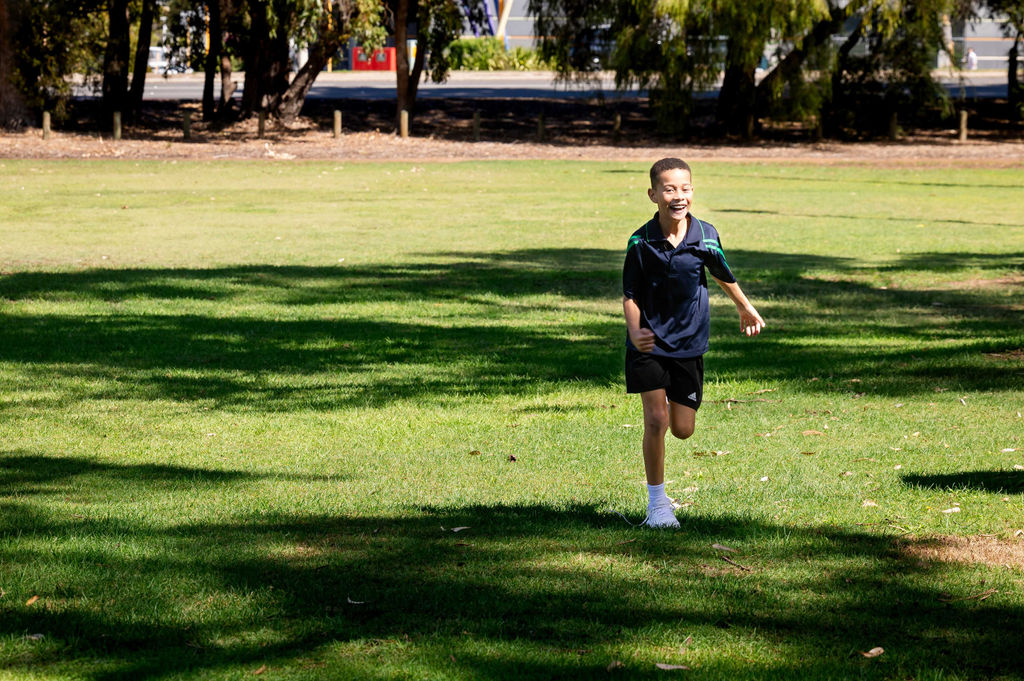
This sub-project will be using ORIGINS data to explore the risk and protective factors of obesity from birth to early childhood.
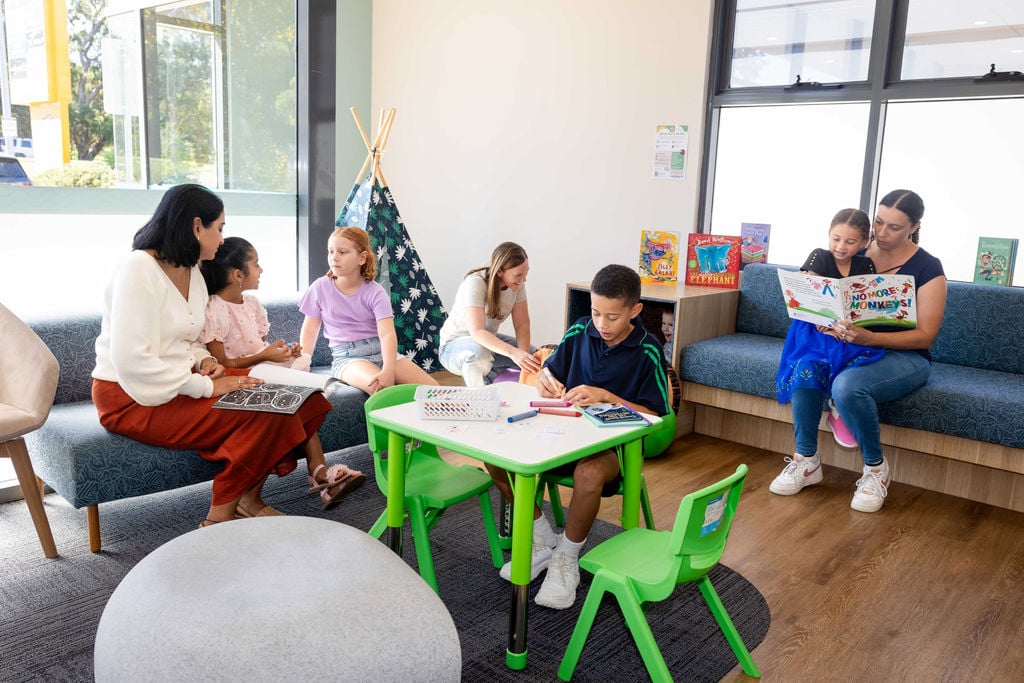
Strengths-based, tiered, accessible, resources and supports (STARS) for Kids for parent, carers and their children.
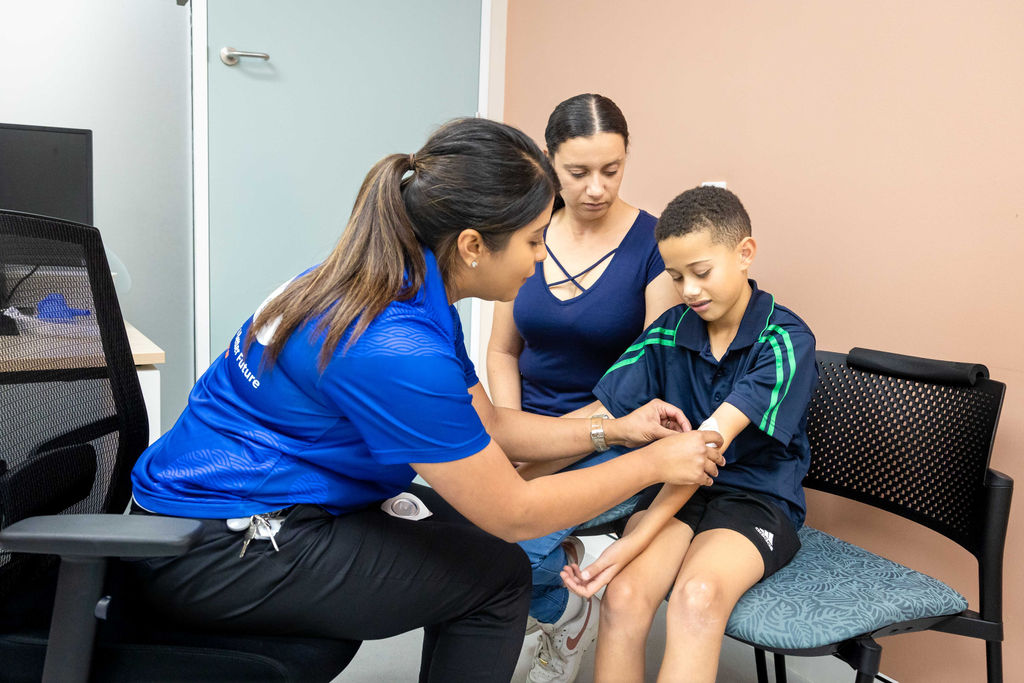
Exploring opportunities for early diagnosis and intervention and the impact this has on improving family healthcare.
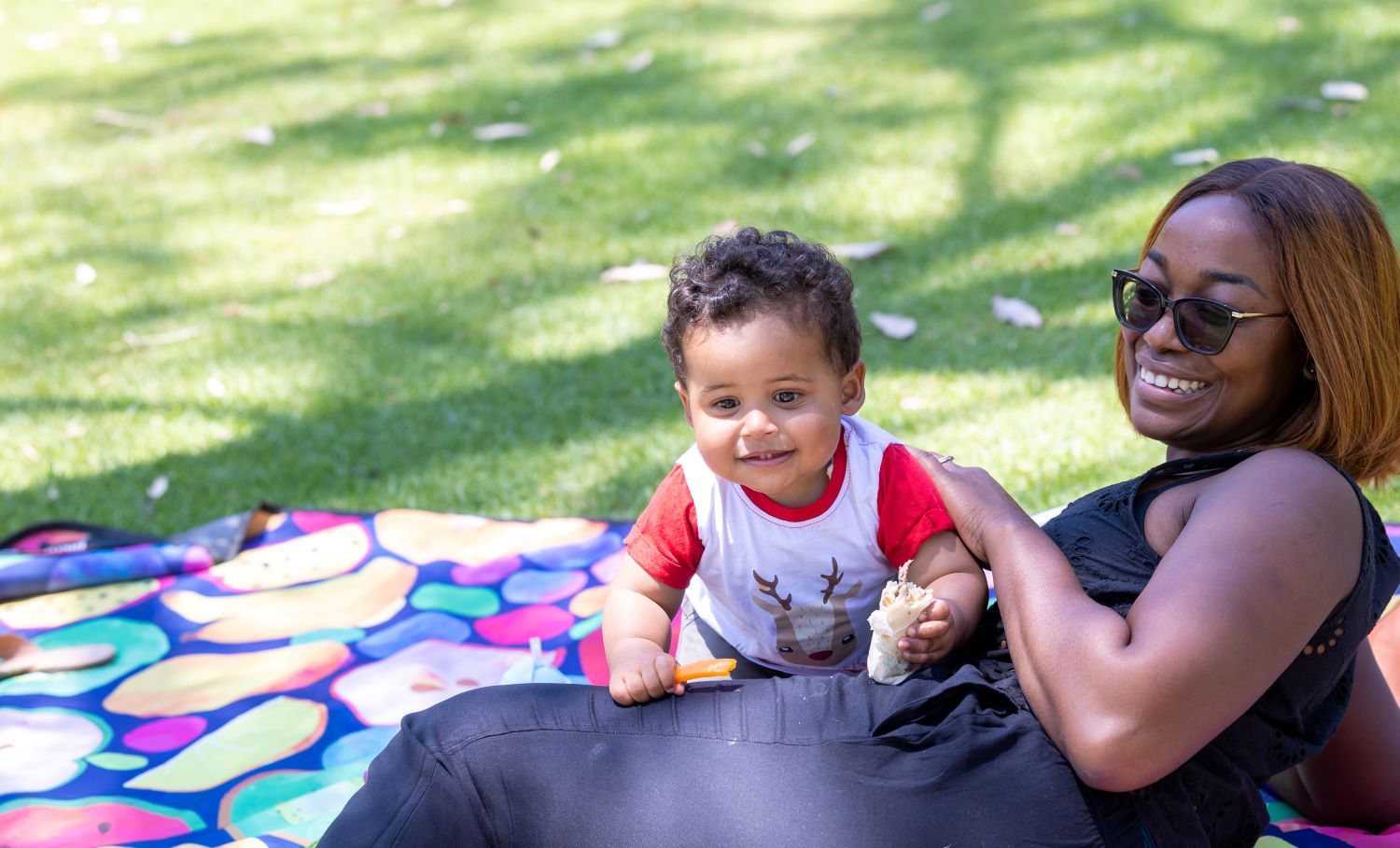
In partnership with Playgroup WA, this sub-project is investigating the impact of playgroups on mental health and socio-emotional outcomes in parents and children within ORIGINS.
Young children are increasingly exposed to evolving screen technology. International guidelines recommend no screen use for children under the age of 2 years, due to the potential for detrimental effects on behaviour and development. However, evidence for these guidelines is limited by inadequate consideration of device-specific effects (TV and mobile phone/tablet computer), maternal screen use, confounders such as maternal mental health and importance of effect sizes.
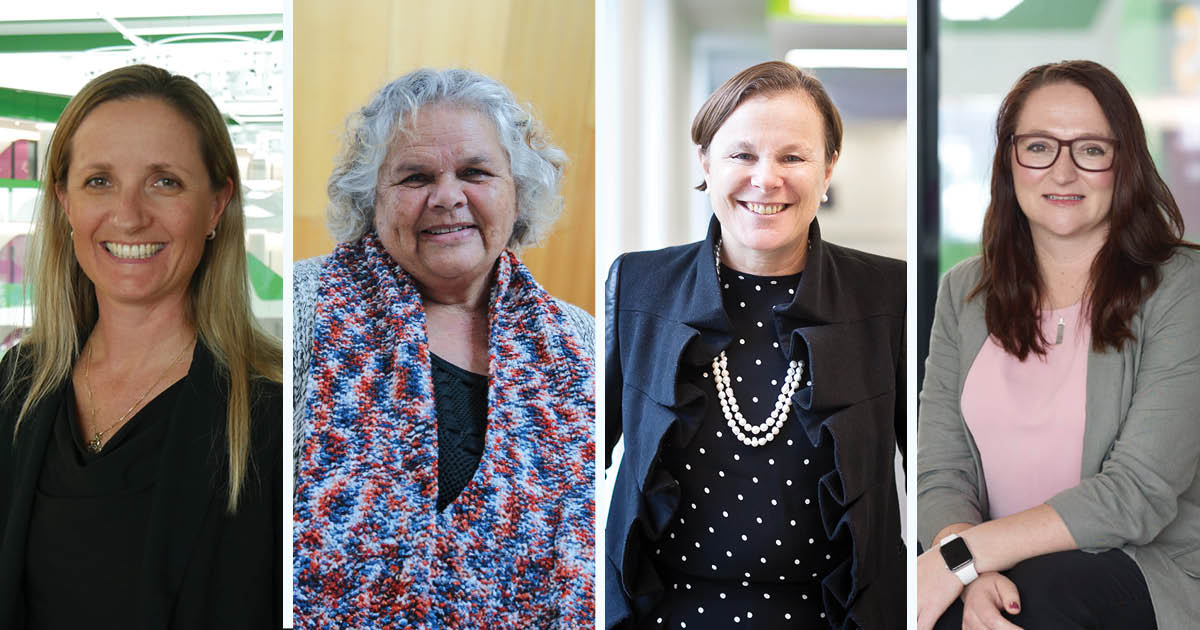
Four outstanding members of The Kids Research Institute Australia family – three researchers and an Aboriginal Elder co-researcher – have been named in the Australia Day Honours List for their outstanding service to research and the community.
Childcare services such as preschools and long day care centres have been identified as a key setting to promote physical activity in early childhood as they provide access to large numbers of children for prolonged periods. Yet, specific standards for the type and amount of physical activity children accumulate whilst attending childcare are lacking. The purpose of this study was to derive population-referenced percentile values for children's total movement and energetic play whilst attending early childhood education and care services.
Research suggests there is considerable opportunity to improve children's movement behaviors while they are being cared for by their grandparents. An understanding of the extent to which grandparent practices facilitate children's engagement in physical activity is critical to the development of health interventions targeting grandparent caregivers.
The prevalence estimates of physical activity, sedentary behavior, and sleep (collectively known as movement behaviors) in 3- and 4-year-old children worldwide remains uncertain.
To investigate the correlates of adolescent energy drink use using a socioecological approach to inform future interventions.