
Developing a FeNO test that is affordable enough to allow daily measurements, patients will be able to access quantifiable data to assist them to mon…
Novel loci differentially methylated in newborns represent potential biomarkers of risk of asthma by school age
These findings suggest the utility of specific FOT outcomes is dependent on the respiratory disease being assessed
Spacer device was not associated with clinically important differences in lung function following bronchodilator inhalation in children with asthma
Asthma exacerbations in children can be divided into IRF7hi versus IRF7lo phenotypes with associated differences in clinical phenotypes
Type 1 and 3 interferon response capacity appears strongly developmentally constrained at birth
Children of East Asian ancestry born in Australia have a higher burden of most allergic diseases in the first 6 years of life, whereas asthma may fol…

Almost 50 per cent of preschool children will experience at least one episode of wheeze, a whistling sound produced by the airways during breathing.
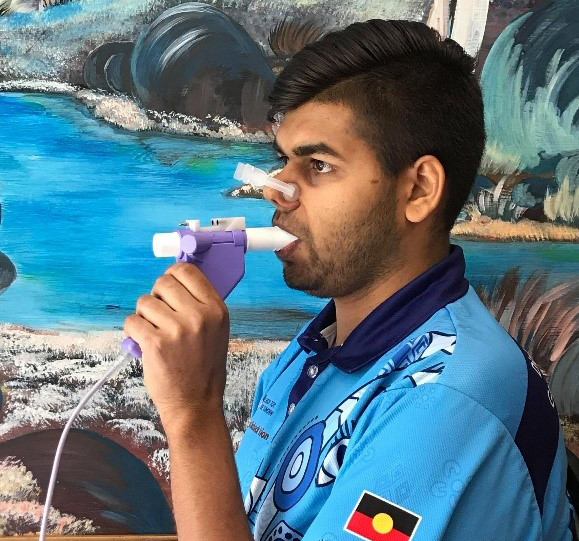
Healthy lungs help you to breathe better. This means you can sleep better, as well as play sports, run and walk without being short winded.
Here, we review the basic concepts in bioinformatics and genomic data analysis and illustrate the application of these tools to further our understan…