
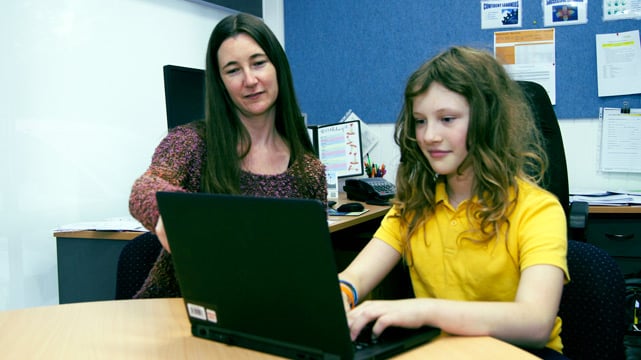
A team of researchers passionate about the social and emotional wellbeing of children have been refining a survey questionnaire.
Ethan recently took part in Belong, a study led by The Kids which aims to ensure deaf and hard of hearing kids have a happy & positive school experie…
This article examines the relationship between preschool quality and children’s early development in a sample of over 7900 children enrolled in 578 p…
Each day of school missed makes a difference, with the effect on learning accumulating over time. From an early age, if children are taught that they…
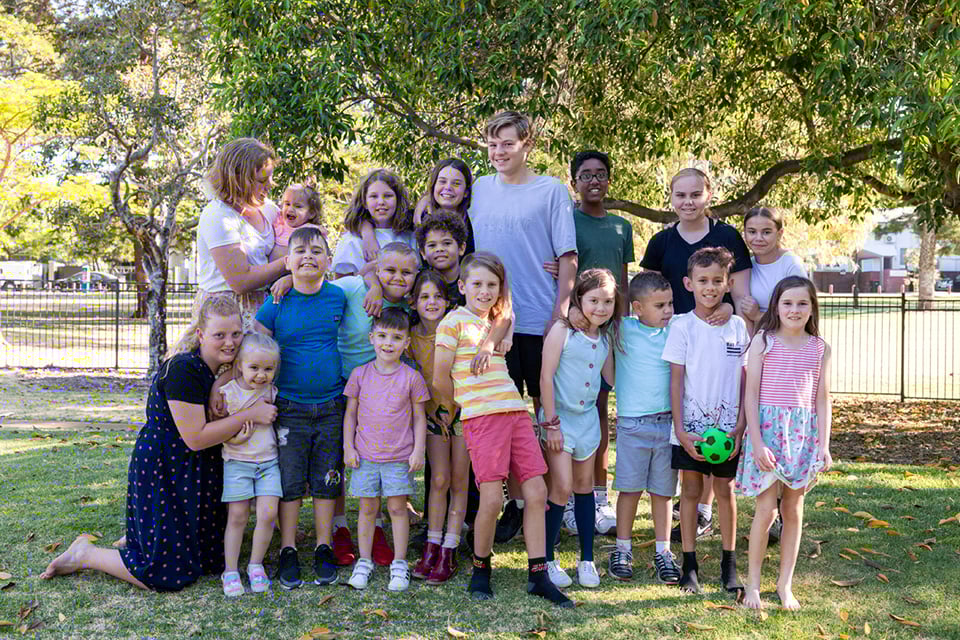
The Human Development and Community Wellbeing (HDCW) Team focuses on improving outcomes for children, family, and the community.
The Early Years Systems Evidence (EYSE) team specialises in working in partnership with governments and service providers, with a distinct focus on i…
An NHMRC grant to develop a program to improve school outcomes in the Ngaanyatjarra lands has helped create books reflecting Aboriginal experiences.
The review examines the international literature to determine how disengagement can be defined & understood, & then examines student disengagement in…
A recent study from The Kids Research Institute Australia has revealed some interesting facts about just how important those school attendance days a…