
Fetal alcohol spectrum disorder (FASD) is a lifelong disability of varying severity that occurs among individuals prenatally exposed to alcohol. Amon…
There is no known risk-free level of alcohol use in pregnancy. Despite this, many still believe that occasional drinking is safe. To-date, there is l…
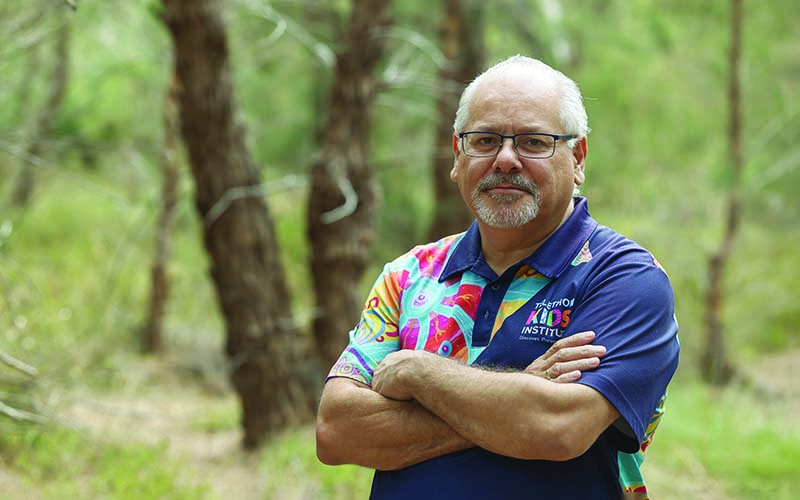
The Kids Research Institute Australia has been among a growing number of voices passionately advocating for an overhaul of the way young people in de…
Fetal Alcohol Spectrum Disorder is a neurodevelopmental disorder caused by exposure to alcohol in utero. It has pervasive, lifelong impacts and is re…
Screening facilitates the early identification of fetal alcohol spectrum disorder (FASD) and prevalence estimation of FASD for timely prevention, dia…
Epidemiological evidence suggests offspring exposed to prenatal alcohol are at increased risk of alcohol use disorders in adulthood. The evidence on…
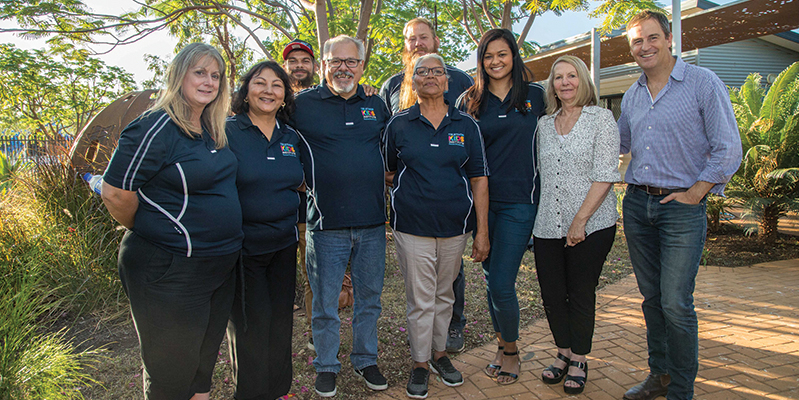
A $5 million commitment from BHP has allowed The Kids researchers and Aboriginal communities to make FASD history in the Pilbara.
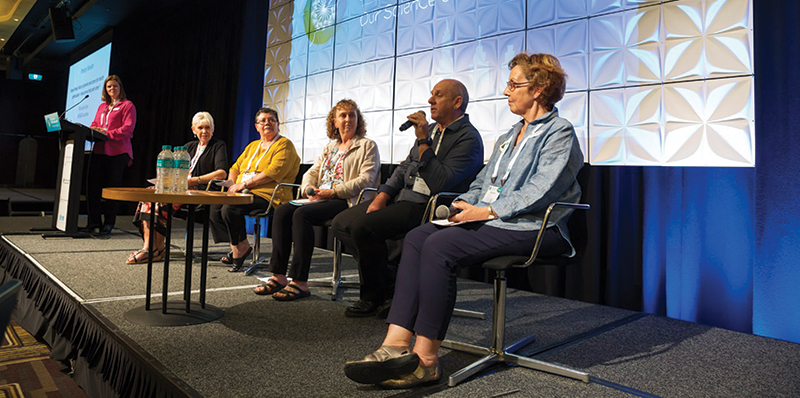
Held every two years, the Australasian FASD Conference is a significant and unifying event for those in the Fetal Alcohol Spectrum Disorder sector.

Researchers into fetal alcohol spectrum disorder (FASD) have welcomed the Federal Government’s announcement of a ten-year national action plan that w…