
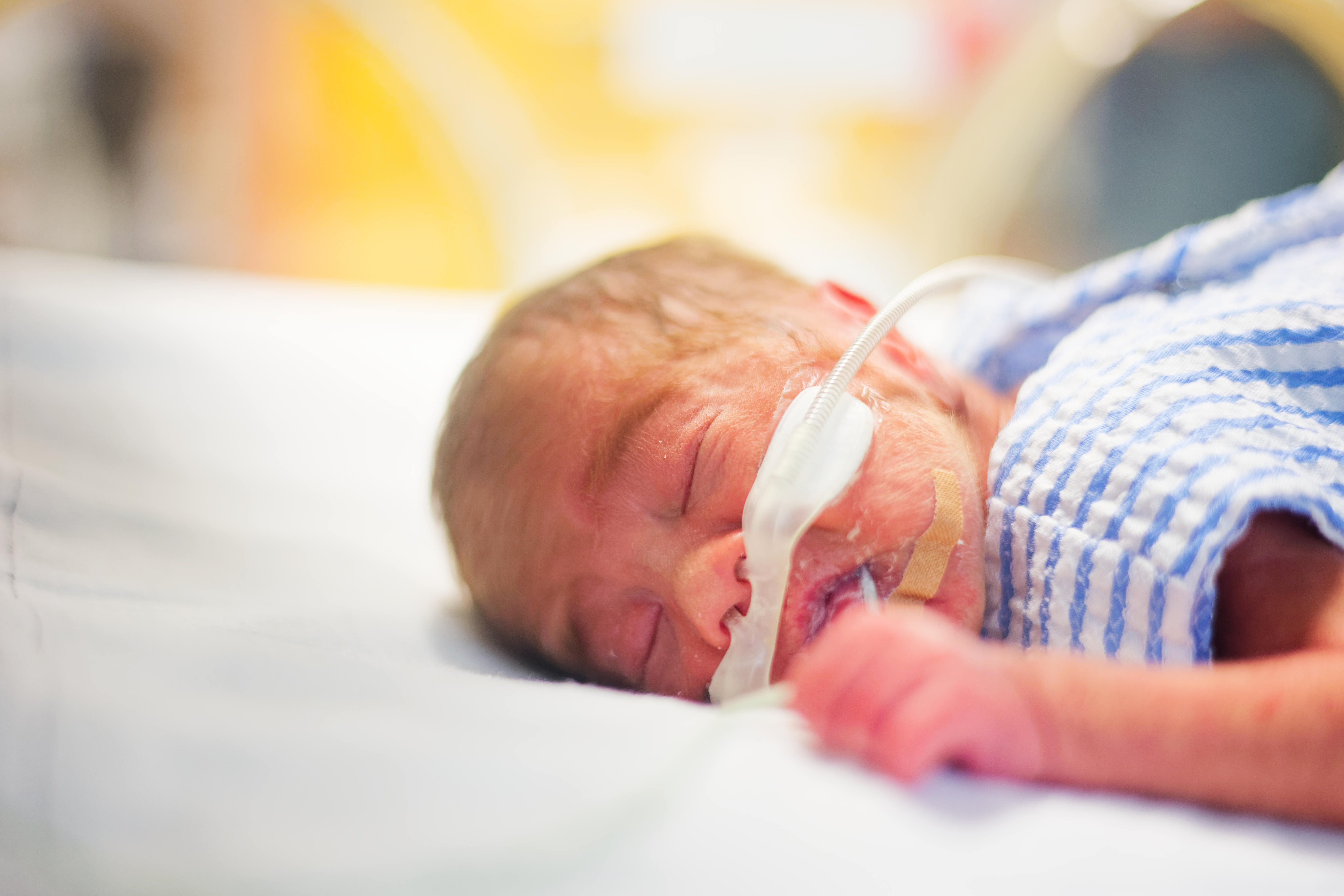
Focuses on understanding and improving early childhood health and development to set the foundation for lifelong wellbeing. By addressing factors fro…
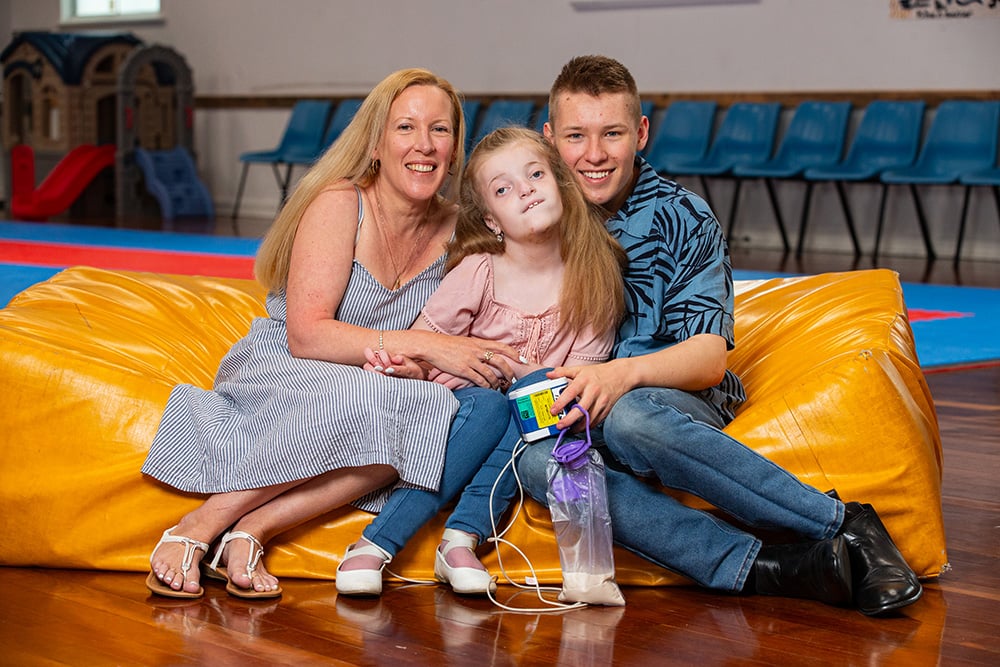
Uses personalised approaches to healthcare, aiming to tailor prevention and treatment strategies based on genetic, environmental, and lifestyle facto…
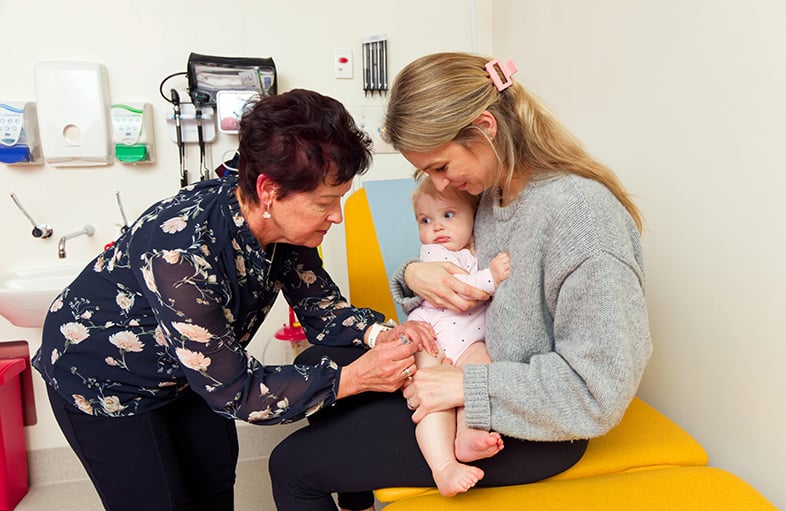
Aims to prevent, diagnose, and treat infectious diseases, with a strong focus on developing effective vaccines and improving immunity across populati…

Research Assistant and PhD Candidate

ORIGINS has secured $500,000 in funding from the WA Government’s Future Health Research and Innovation (FHRI) Fund.
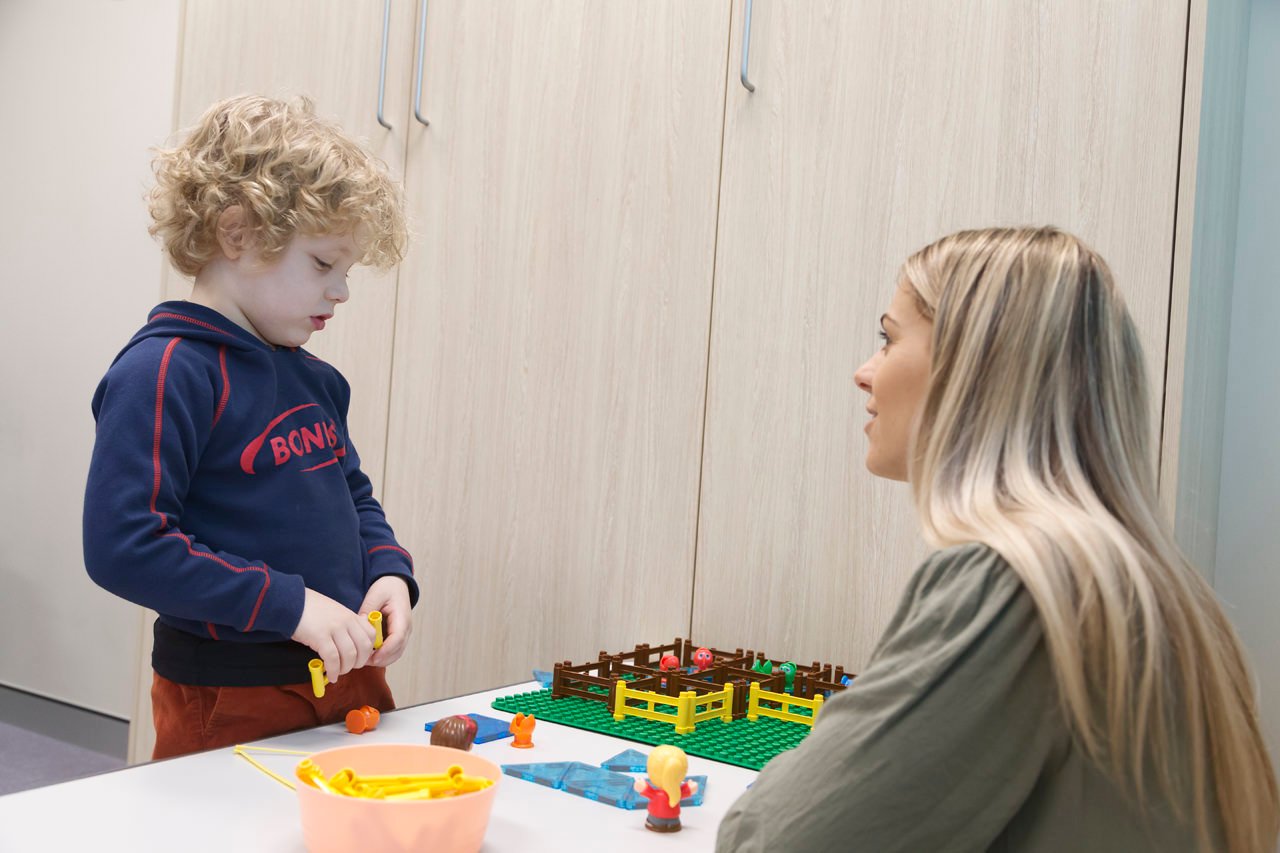
Find out more about Paediatric Autism Communication Therapy training for allied health and autism professionals at CliniKids.

The health of the world’s 1.96 billion adolescents is at a critical tipping point.

The Kids Research Institute Australia is one of 20 West Australian research facilities to share in $25 million funding under the State Government’s R…
Language development is critical for children's life chances. Promoting parent-child interactions is suggested as one mechanism to support language d…
Respiratory syncytial virus (RSV) is a common cause of respiratory tract infections in infants and young children, and adults over 60 years of age. I…