
Search

Researchers exploring the potential health benefits of pets have found children who regularly walk and play with a family dog are more active, have less screen time, and sleep more.
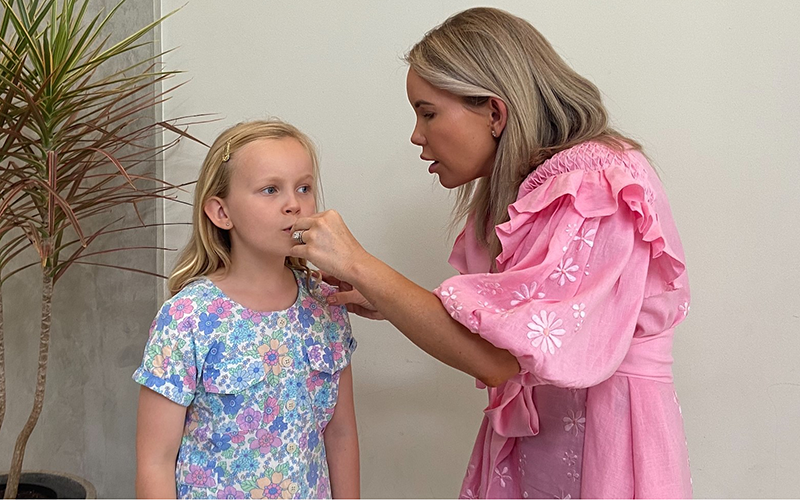
Researchers will be asking random households across metropolitan Perth to undertake COVID tests to reveal how much undetected infection is in the community.

Congratulations to two of The Kids Research Institute Australia’s most respected female researchers – Professor Donna Cross and Professor Britta Regli-von Ungern-Sternberg – on being inducted into the Western Australian Women’s Hall of Fame.
The ARC Centre of Excellence will conduct world-leading research to investigate new ways of tackling entrenched social and economic disadvantage.
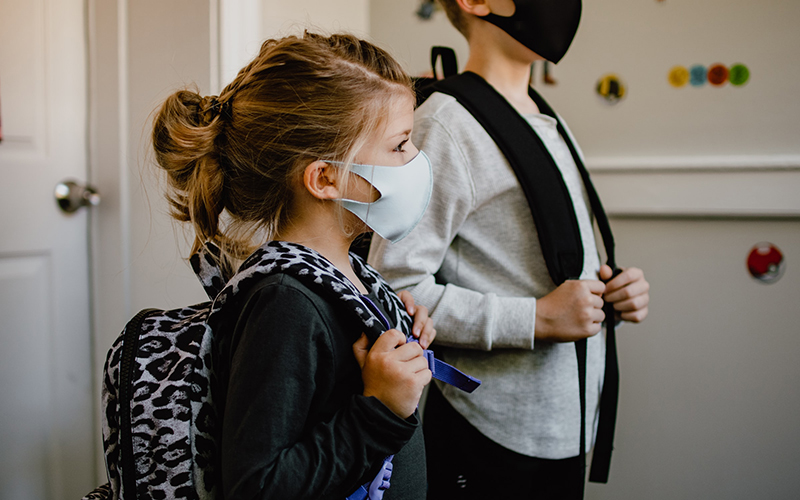
West Australian children as young as Year 3 are now turning up to school in masks, presenting a new challenge for kids, parents and schools.

The Kids Research Institute Australia researcher, Dr Anya Jones, will join some of the world’s brightest female scientists after being selected to take part in a global project to amplify the voices of women in science leadership.
A The Kids Research Institute Australia ear health researcher has received a prestigious national fellowship to support her search for new therapies to improve the lives of kids who suffer repeat middle ear infections.
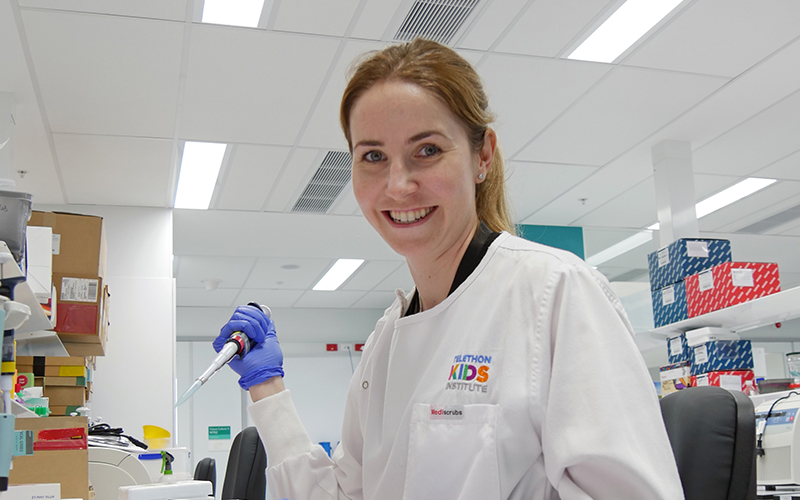
A The Kids Research Institute Australia researcher will work to better understand the immune system mechanisms that cause multiple sclerosis, thanks to a new grant from MS Australia.

A project, lead by Aboriginal and Aboriginal LGBTQA+ researchers examining the mental health of young Aboriginal and Torres Strait Islander LGBTQA+ people, is launching a nation-wide survey, to help drive meaningful change for the community.

WA parents and carers can have confidence in sending their children back to school on January 31 with the measures outlined in today’s Safe Return to School Plan.