
Search

The Kids Research Institute Australia is proud to be a part of the Rare Care Comprehensive Centre (RCCC) for children with rare and undiagnosed disease, made possible thanks to one of Western Australia’s biggest philanthropic gifts.
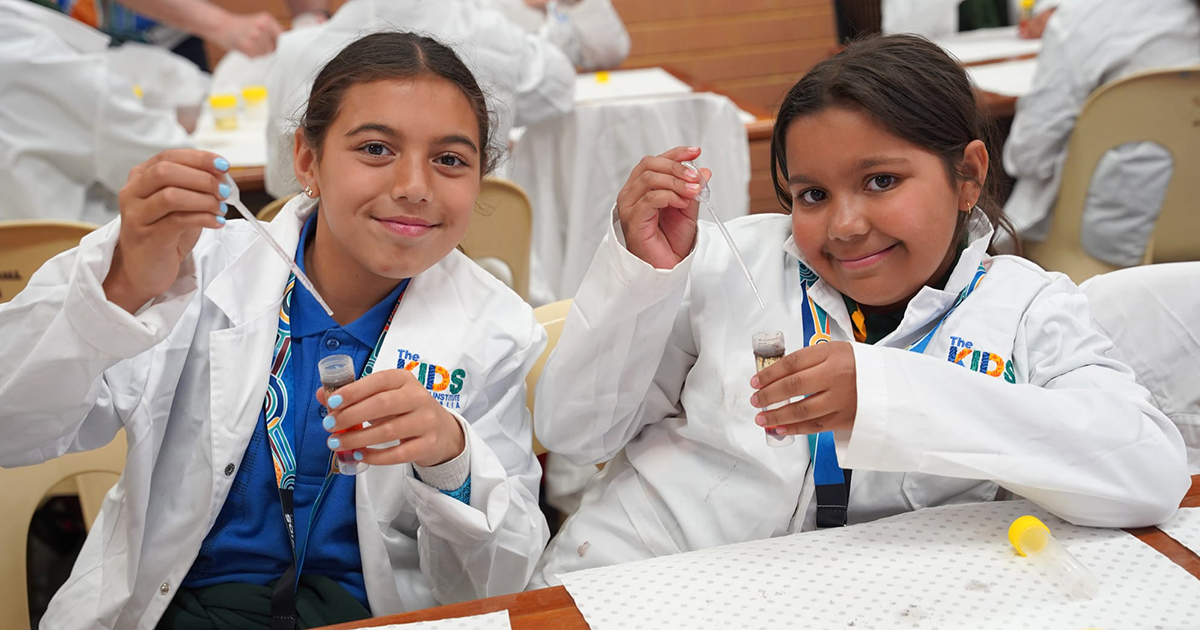
The Kids Research Institute Australia’s inaugural Kalgoorlie STEM Festival drew more than 600 children and was warmly embraced by the local community over two exciting days at Curtin University’s Graduates Hall.

Walk through the jungle, hunt for the bear, or do the animal bop this Book Week! Acting out stories is a wonderful way to encourage active play with your child.
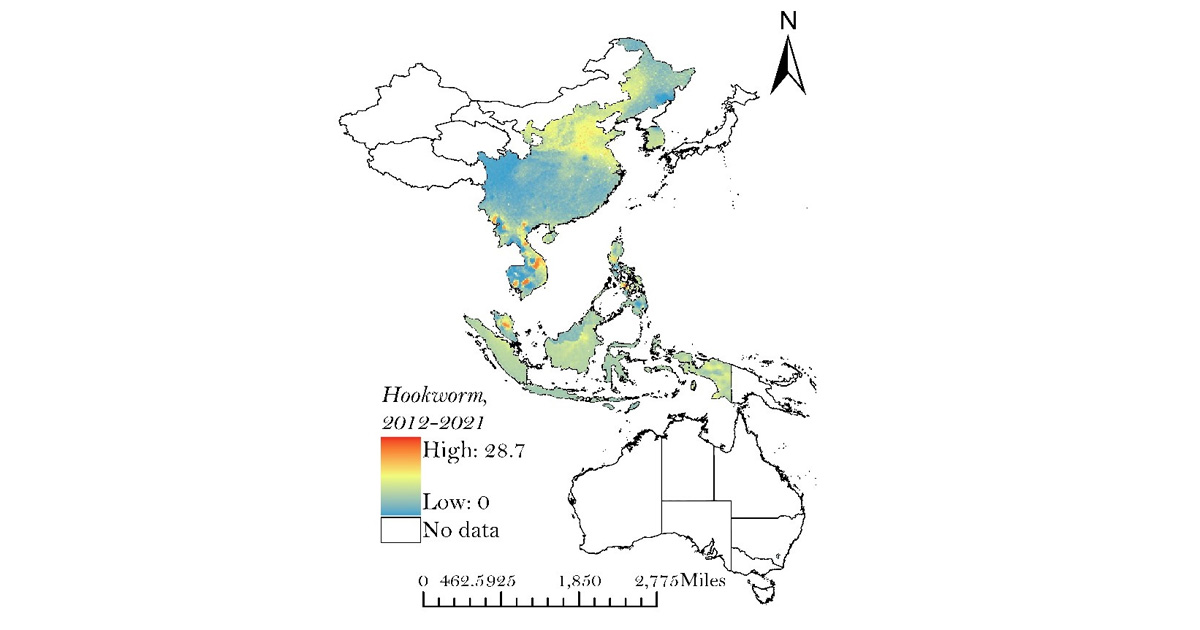
A global research team led by geospatial modelling experts from The Kids Research Institute Australia and Curtin University has provided the first detailed maps identifying hotspots across the Western Pacific Region where debilitating parasitic worms are rife.
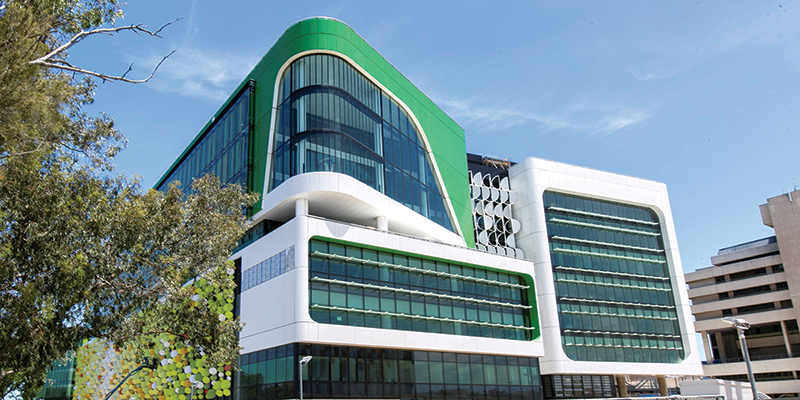
The Kids Research Institute Australia is one of 20 West Australian research facilities to share in $25 million funding under the State Government’s Research Infrastructure Support (RIS) program, through the Future Health Research and Innovation (FHRI) Fund.
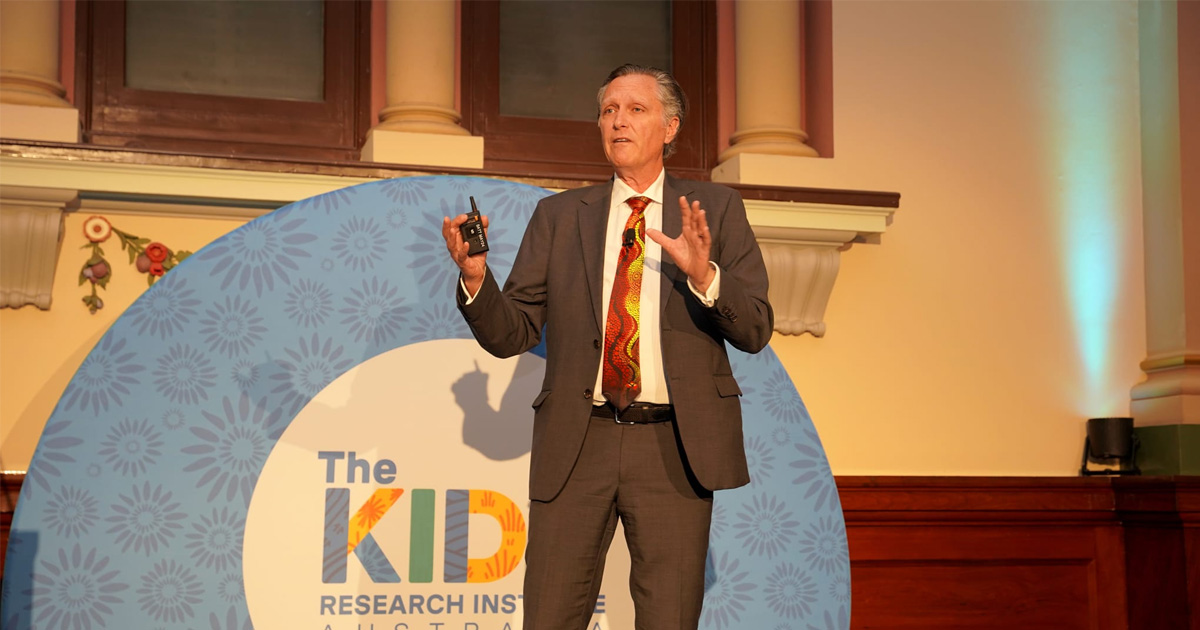
Last night, almost 60 supporters gathered at Adelaide Town Hall for the inaugural The Kids Research Institute Australia Adelaide Lecture, Not Just a Sore Throat: The Race to Stop One of the Deadliest Bugs on the Planet.

Research that screens novel genetic variants identified in disease will be fast-tracked by a funding boost, offering new hope of an early diagnosis for families of children with a rare or undiagnosed genetic disease.
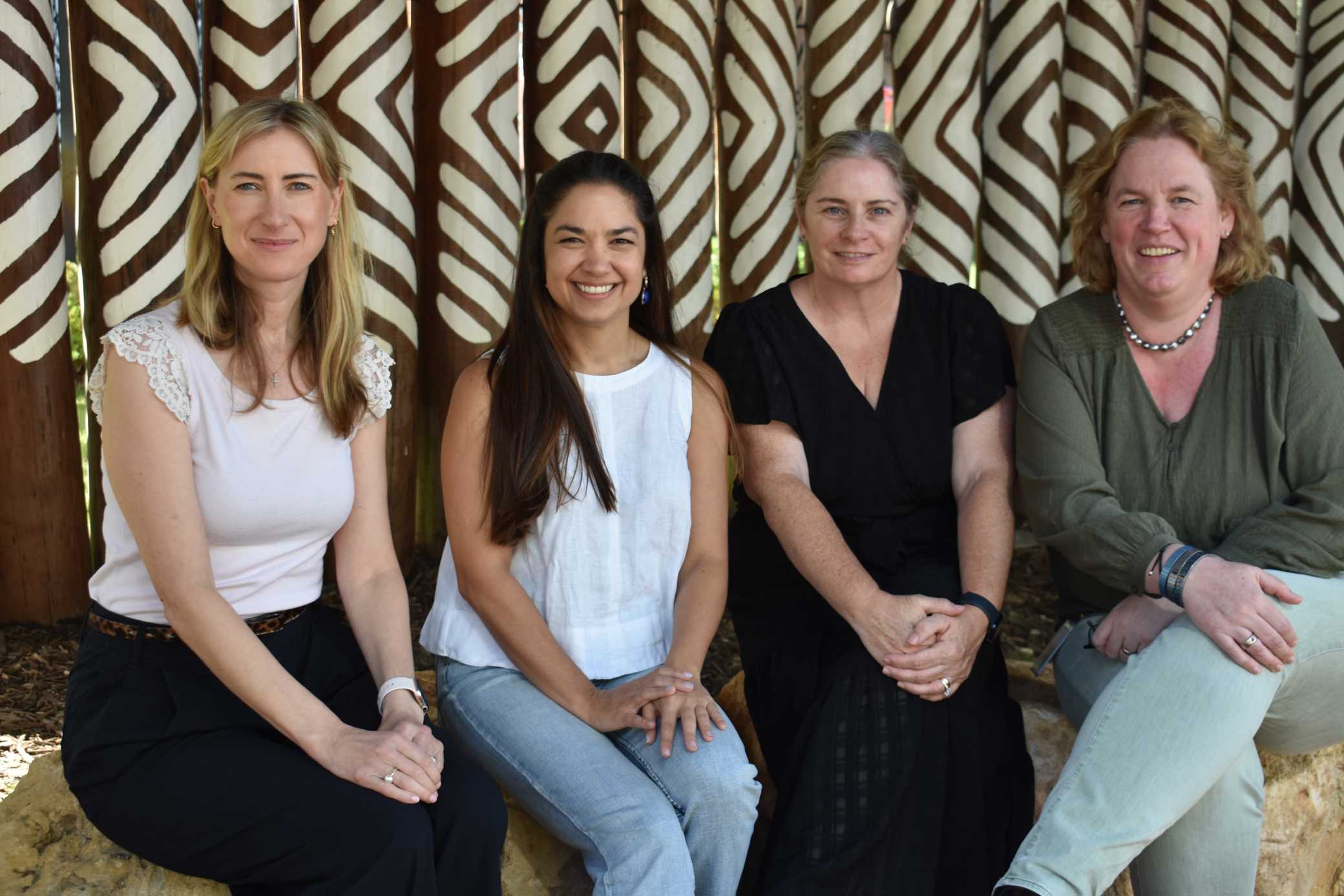
A collaborative study between UWA, Perth Children’s Hospital, The Kids and advocacy and support group Down Syndrome WA, has identified the top priorities, according to patients and carers, for clinical care and research for children with the genetic cond
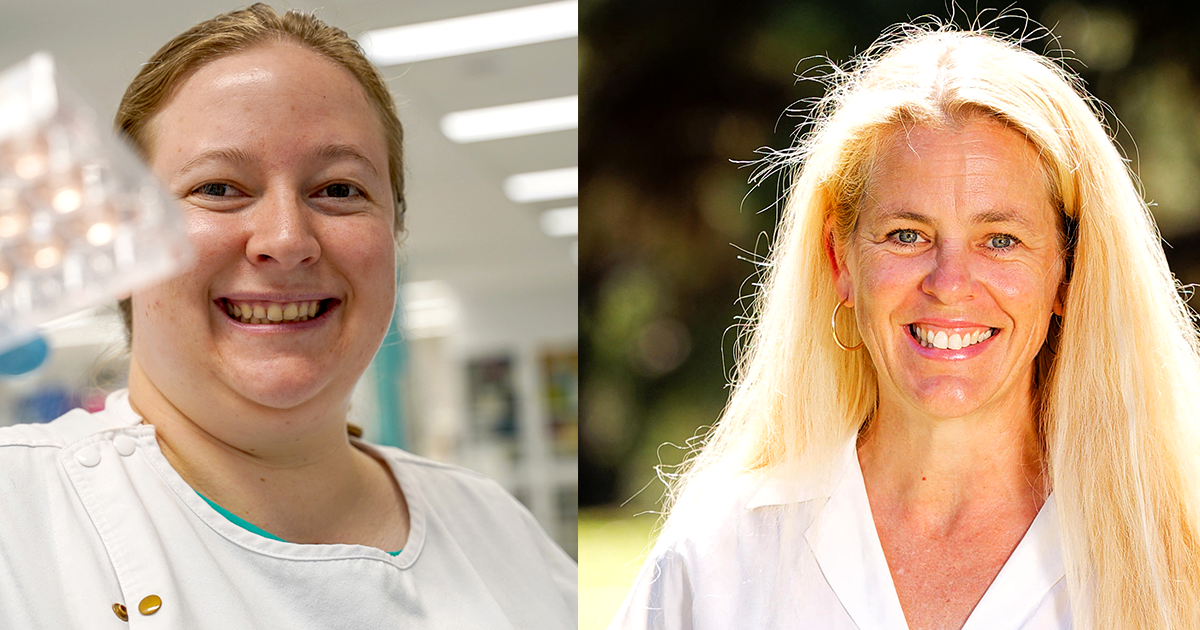
Two leading researchers from The Kids received significant endorsements to advance their research at last night’s Thoracic Society of Australia and New Zealand and the Australian and New Zealand Society of Respiratory Science (TSANZSRS) Annual Scientific Meeting in Adelaide.

An Australian study has revealed the clear link between eating breakfast and academic success, with students who skip breakfast some or all of the time achieving poorer NAPLAN results than children who always eat breakfast.