
Search
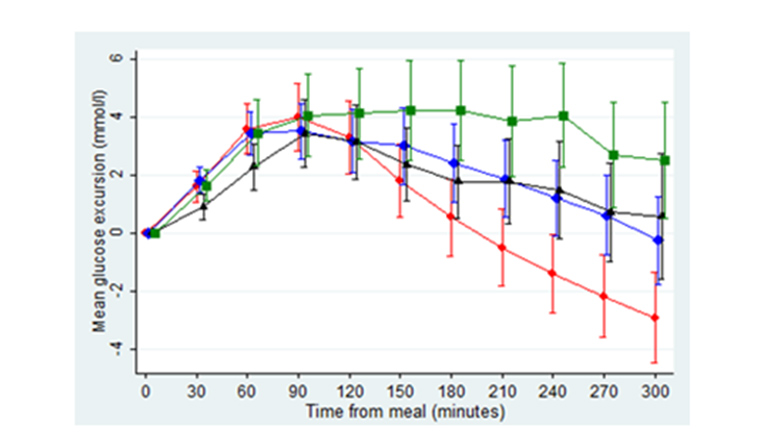
Current Type 1 Diabetes management guidelines recommend adjusting insulin doses for food based on the amount of carbohydrate eaten at each meal.
It may surprise you to know that the Australian government has invested almost $300 million dollars since 2000 towards research and clinical trials for diabetes

Carbohydrate restriction is used by some individuals with type 1 diabetes to reduce glucose excursions after eating a meal.
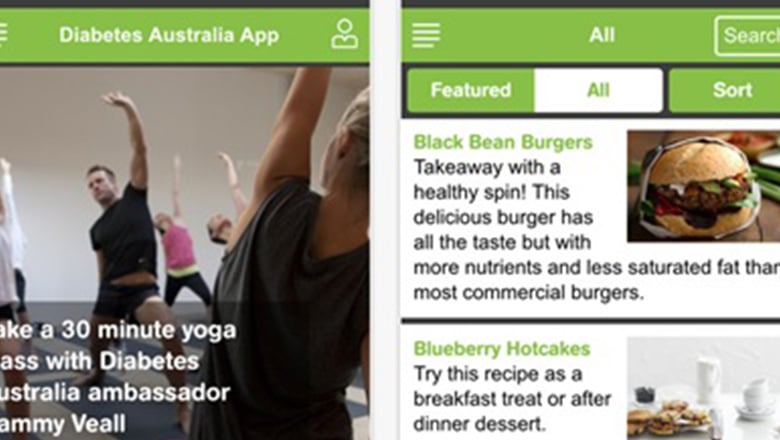
Diabetes Australia have released an app to make living with or caring for someone with diabetes a little easier.

Young people diagnosed with Type 1 Diabetes are at risk of complications from their diabetes including kidney, heart, eye and vascular disease.
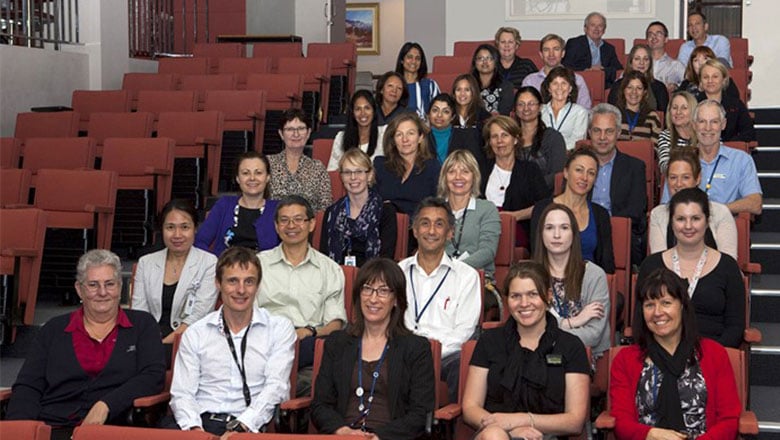
The period of transition between paediatric (child) services and adult-based services is a sensitive one for patients with diabetes.
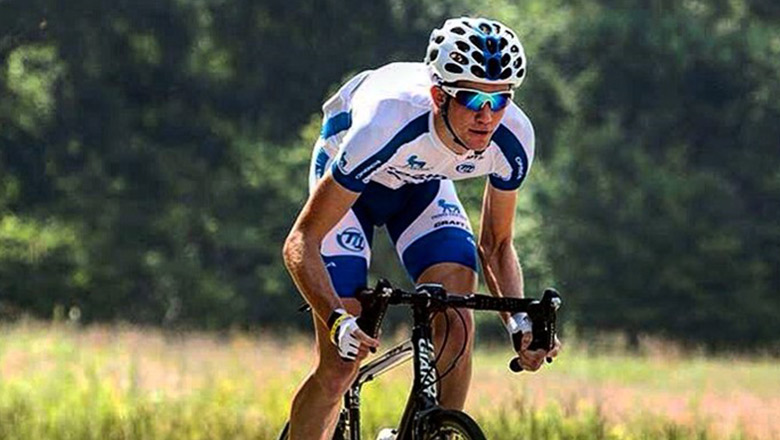
A wiry tall teenager, who was struggling somewhat with his blood glucose control, he turned up on his trusty bike, and we had something in common to talk about.
The JDRF Global Centre of Excellence is being driven by two of Australia’s leading diabetes researchers and clinicians, Professors Liz Davis and Tim Jones based at The Kids Research Institute Australia and Perth Children’s Hospital.
Privacy Policy
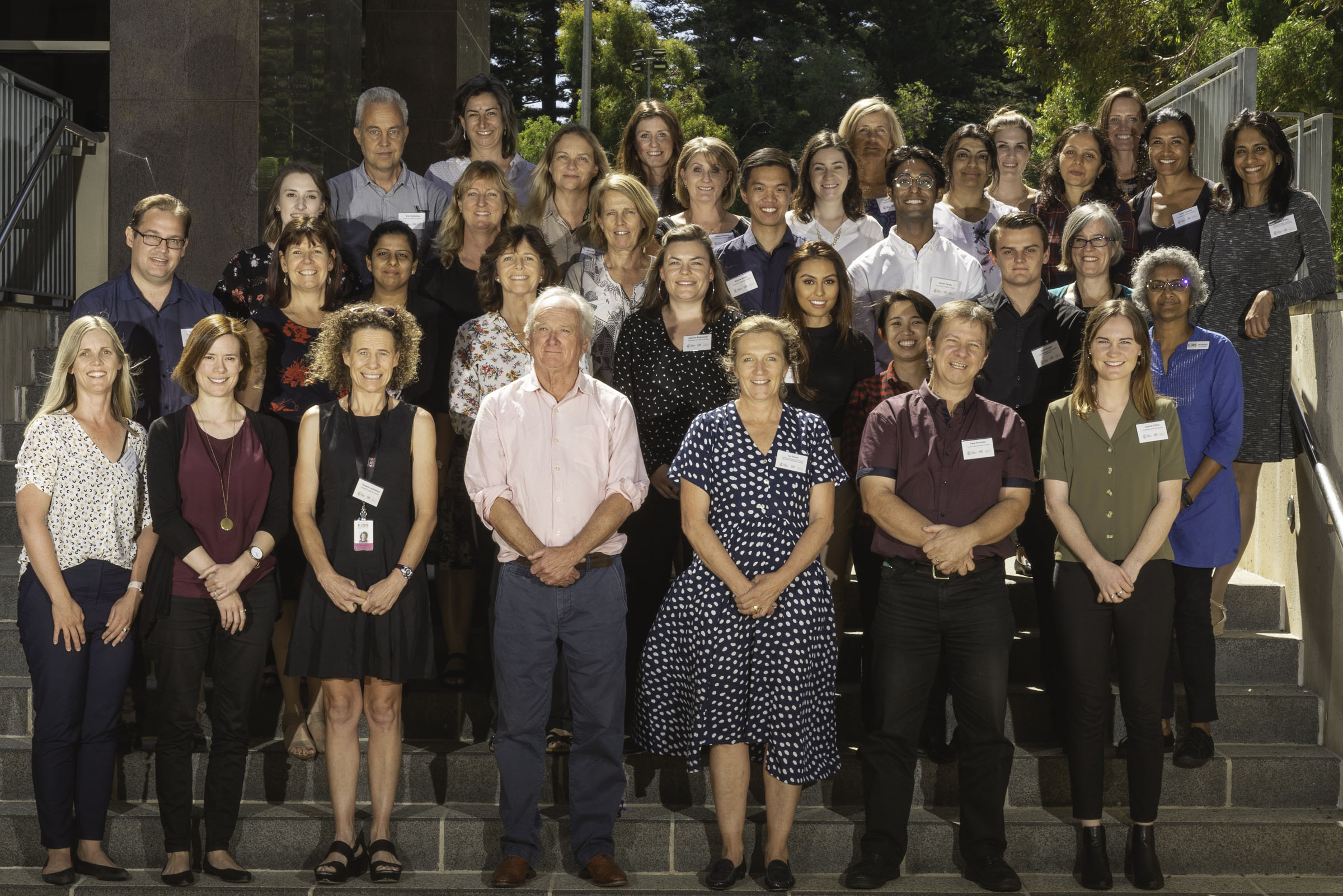
Find out what the Children's Diabetes Centre is and what research it is conducting.