
Search
Professor Andrew Whitehouse, who has helped transform clinical support for children on the autism spectrum in Australia, is nominated for WA's 2023 Australian of the Year.
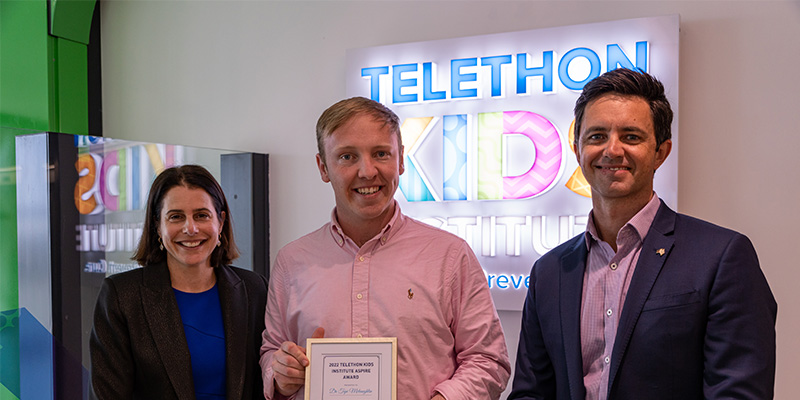
Dr Matthew ‘Tepi’ Mclaughlin is the 2022 The Kids Research Institute Australia Aspire Award winner - coordinated by Western Australia’s peak body for business events, Business Events Perth.
Eight The Kids Research Institute Australia-led projects will benefit from a Western Australian Government boost to health research for the State’s children and young people.
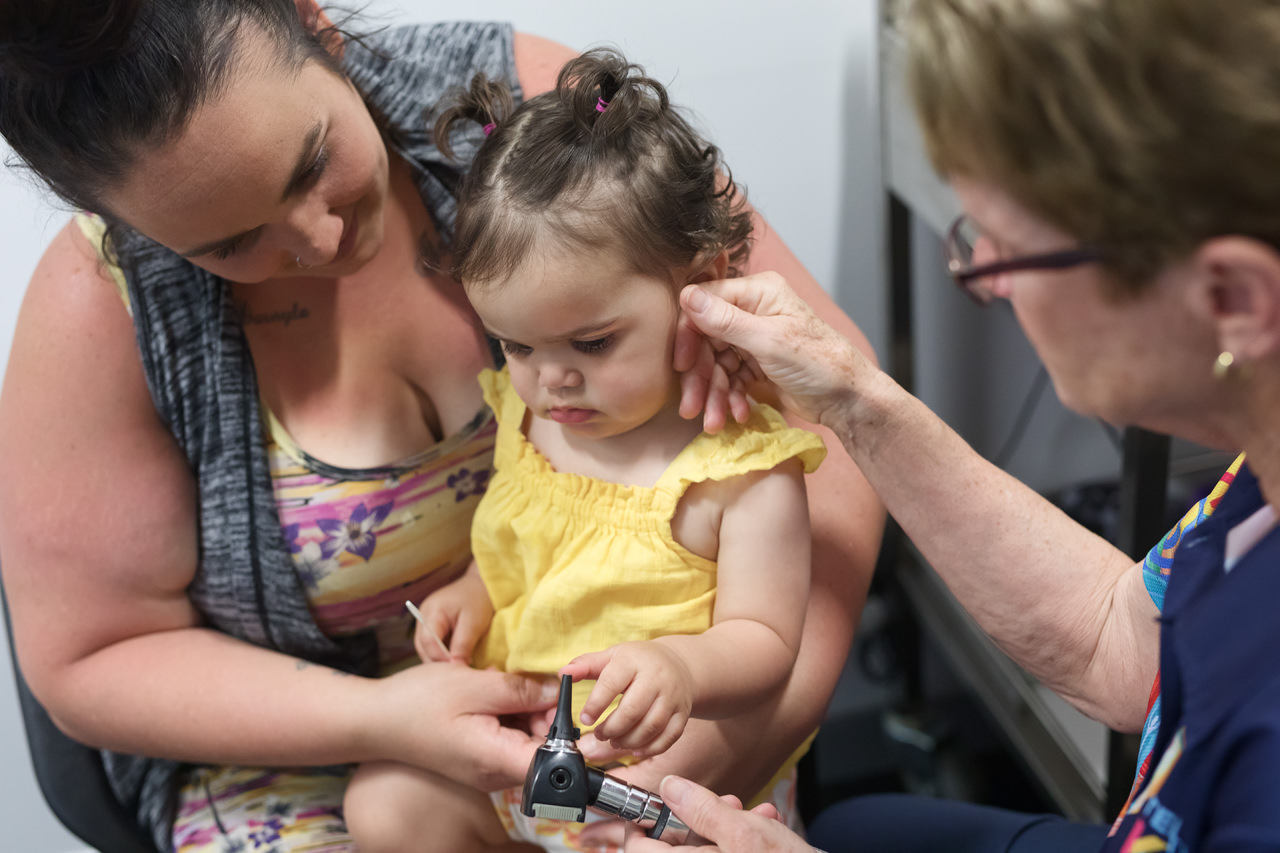
Researchers from The Kids Research Institute Australia have been awarded a $1.1 million NHMRC ‘Targeted Call for Hearing Health’ grant to conduct the first ever study following Aboriginal babies from birth through to five years to uncover the true prevalence of middle ear infections and hearing loss.
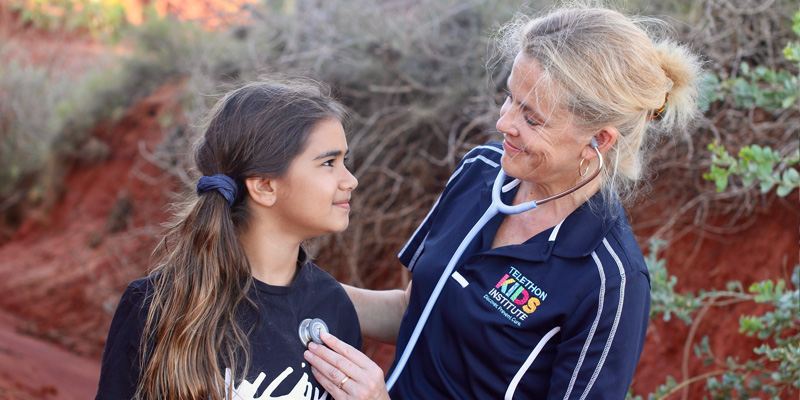
Almost one in five children across four remote Kimberley communities has some form of chronic lung disease, according to a new study co-designed and conducted in partnership with Aboriginal communities.
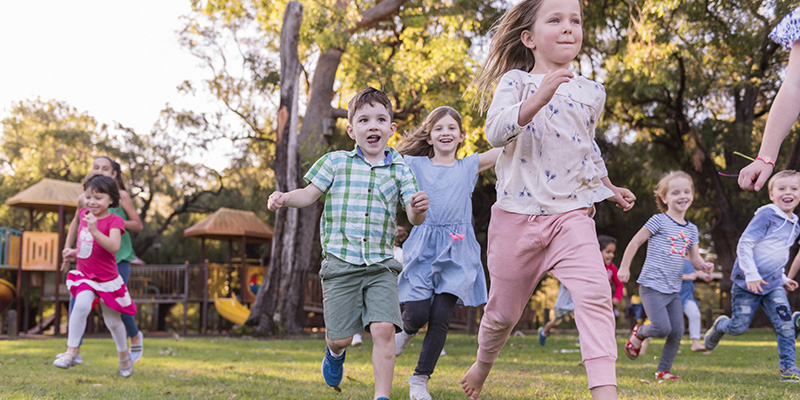
Kids and families can get their hands dirty at Sunday’s Telethon Family Festival at RAC Arena, with The Kids Research Institute Australia showcasing some of its world-class research.
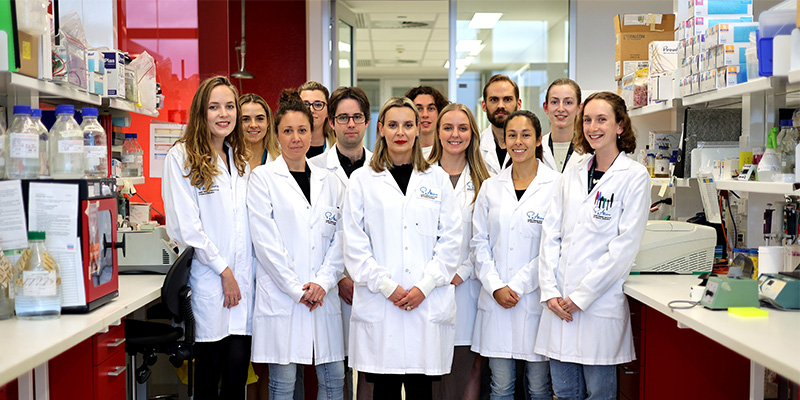
Aleksandra Filipovska has been elected a Fellow of the Australian Academy of Health and Medical Sciences.
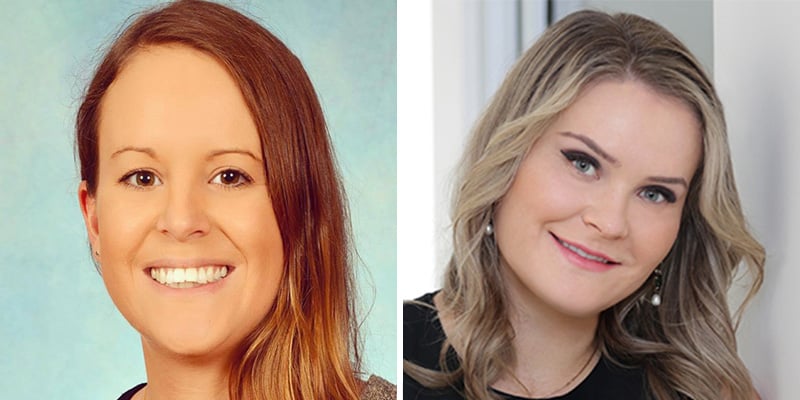
Two researchers focused on improving outcomes for children with chronic lung disease and averting suicide contagion and suicide clusters in young people have won prestigious Investigator Grants from the National Health and Medical Research Council.

The first Australian study to evaluate the nutritional content of Kids’ Menus at restaurants and cafés has found the overwhelming majority are unhealthy.
The project will focus on improving cultural safety in mental health services for Aboriginal and Torres Strait Islander children and young people.