
Search

In late 2022, six-year-old Megan Hutton was living the dream of many kids her age as she celebrated being named runner-up champion athlete at her school sports carnival.
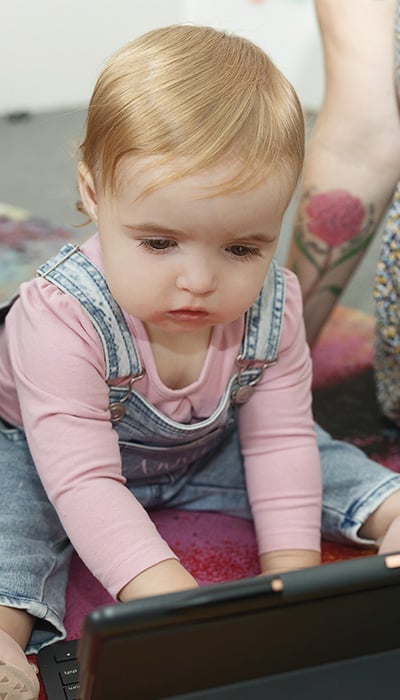
A The Kids Research Institute Australia study has found the average six-month-old Australian baby has more than one hour of screen time each day.
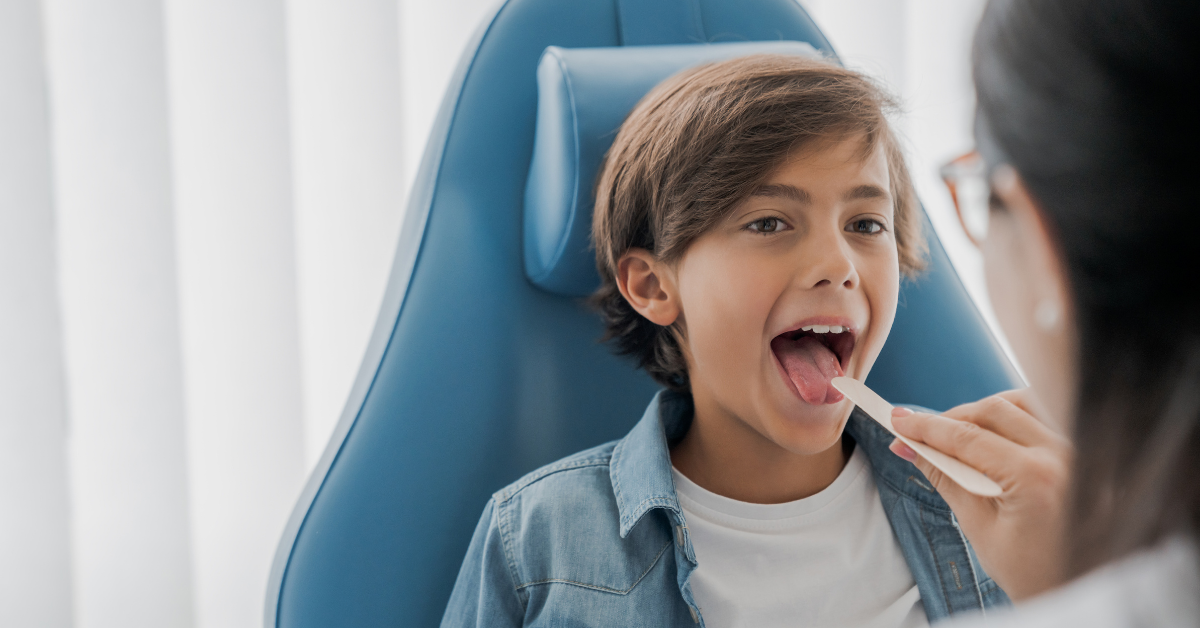
The Institute has become one of the world’s leading Strep A hubs, with multiple teams working in the Institute’s END RHD Program, headed by Associate Professor Asha Bowen, working to understand how Strep A works and find better ways to prevent and control the diseases it causes.
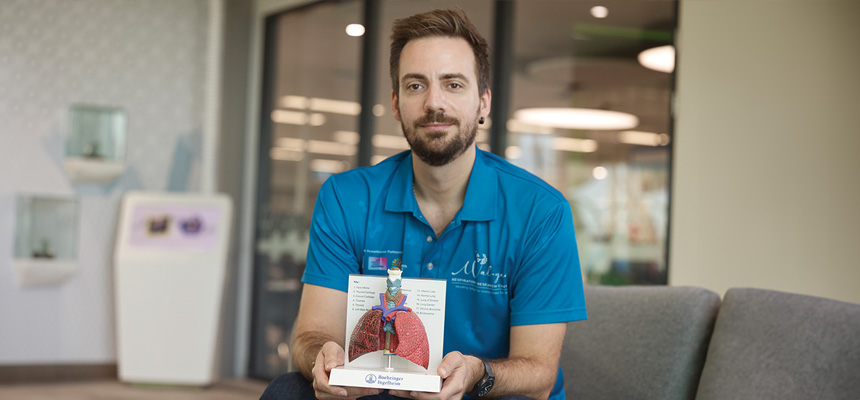
An exciting study is investigating whether a new therapeutic treatment for asthma will protect young sufferers from ongoing lung damage and improve their long-term health outcomes.
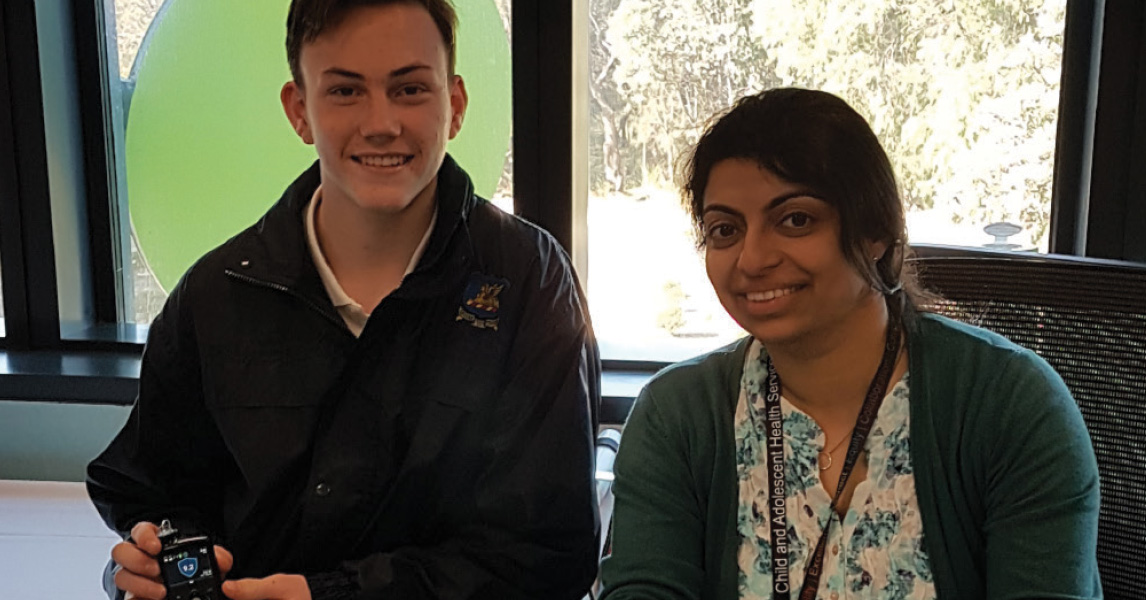
One hundred years after the discovery of insulin, technology advancements are being heralded as the dawn of a new era for managing type 1 diabetes (T1D) in young people.

Research into the potential health impacts of vaping is starting to back up concerns that electronic cigarettes (e-cigarettes) are not as benign as many people think.
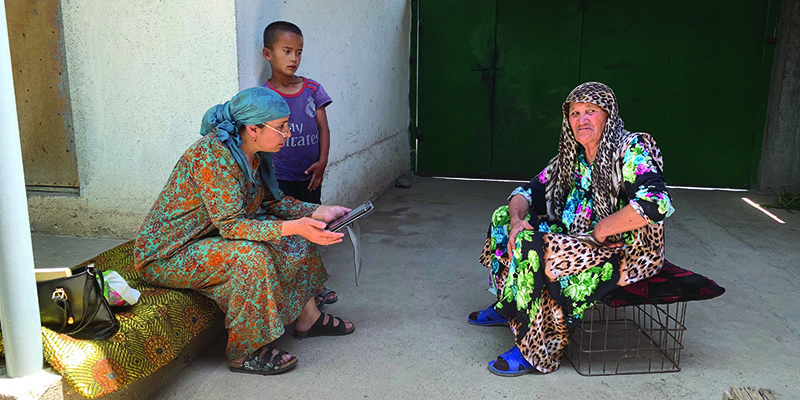
Fieldworkers learning how to collect eHCI data A fieldworker collects data for the eHCI in Tajikistan The rugged, landlocked Central Asian country of
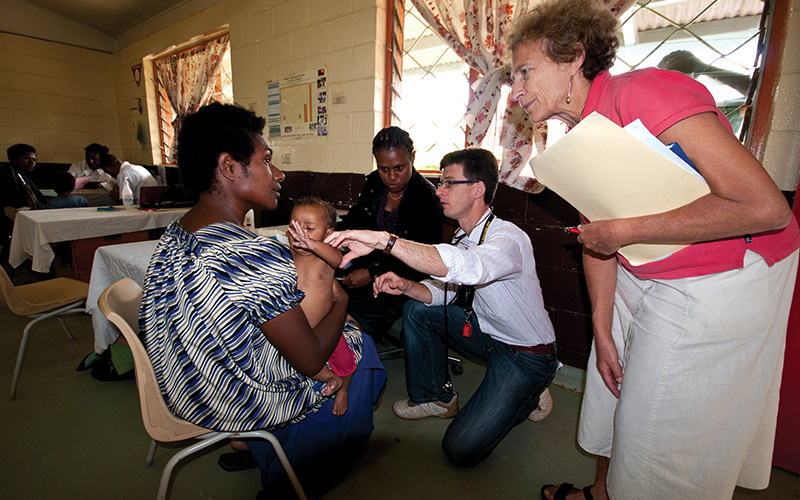
New research has revealed the extraordinary impact of a collaborative project between The Kids Research Institute Australia and the Papua New Guinea Institute of Medical Research, with rates of hospitalisation for pneumonia dropping by nearly 60 per cent thanks to the introduction of the pneumococcal vaccine
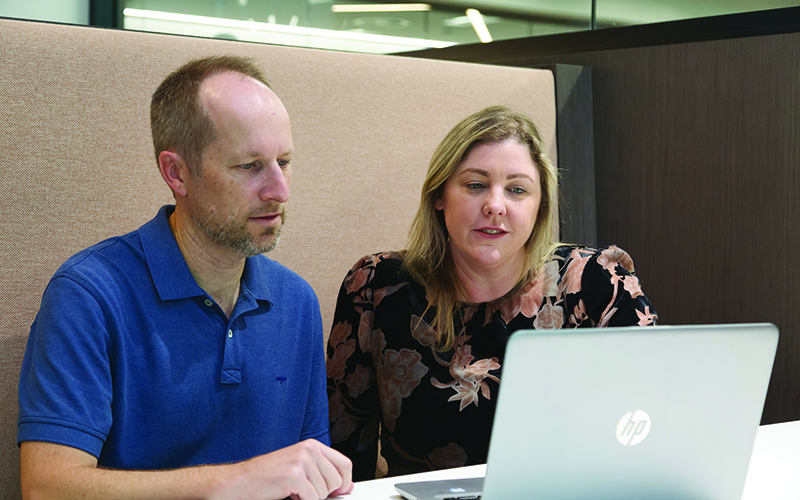
An interactive Child Development Atlas is giving policymakers, planners and services easy access to important data about the health and wellbeing of WA families.
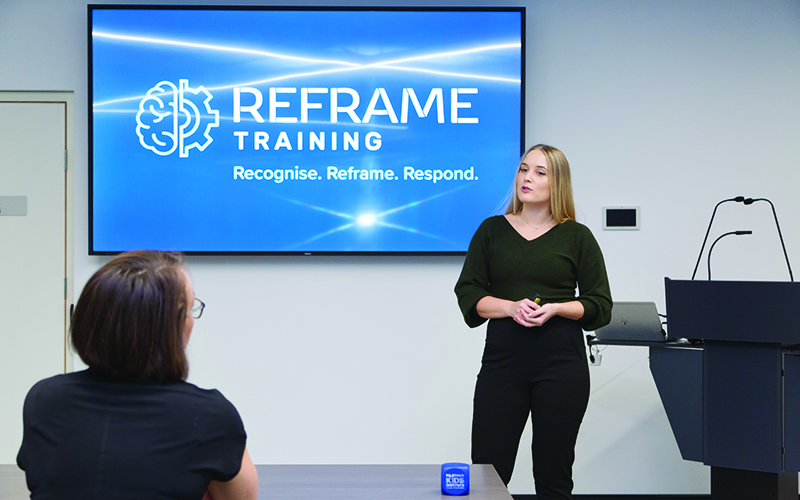
Findings from the Banksia Hill Project revealed 89% of young people in detention who were assessed as part of the project had at least one form of severe neurodevelopmental impairment.