
Search
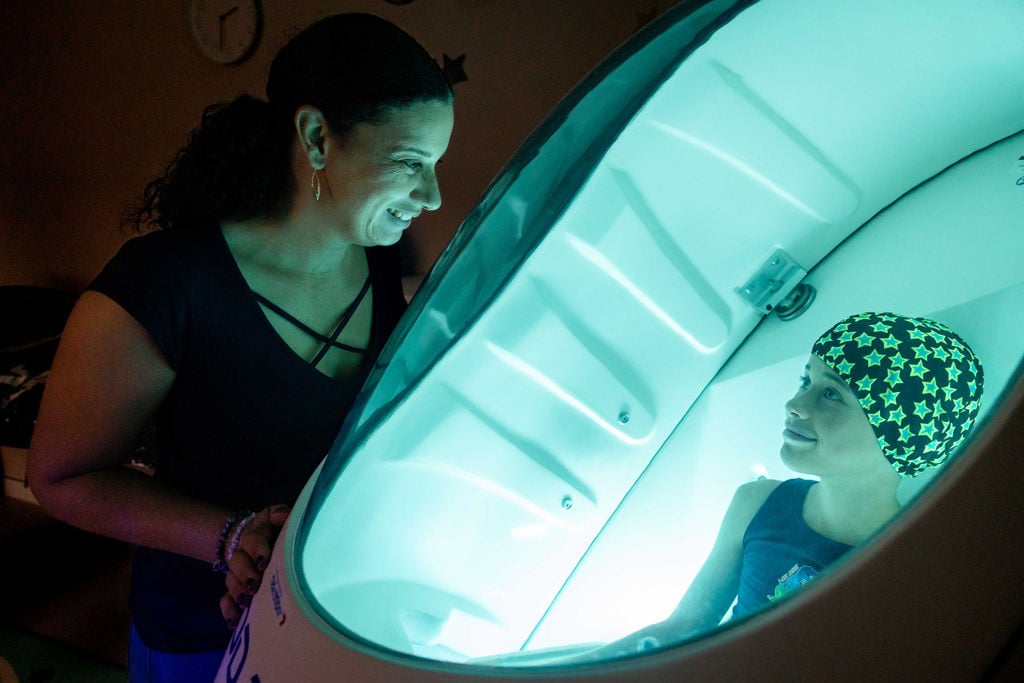
Find information about ORIGINS Kids Checks, what you need to do before your appointment, and other questionnaire timepoints.
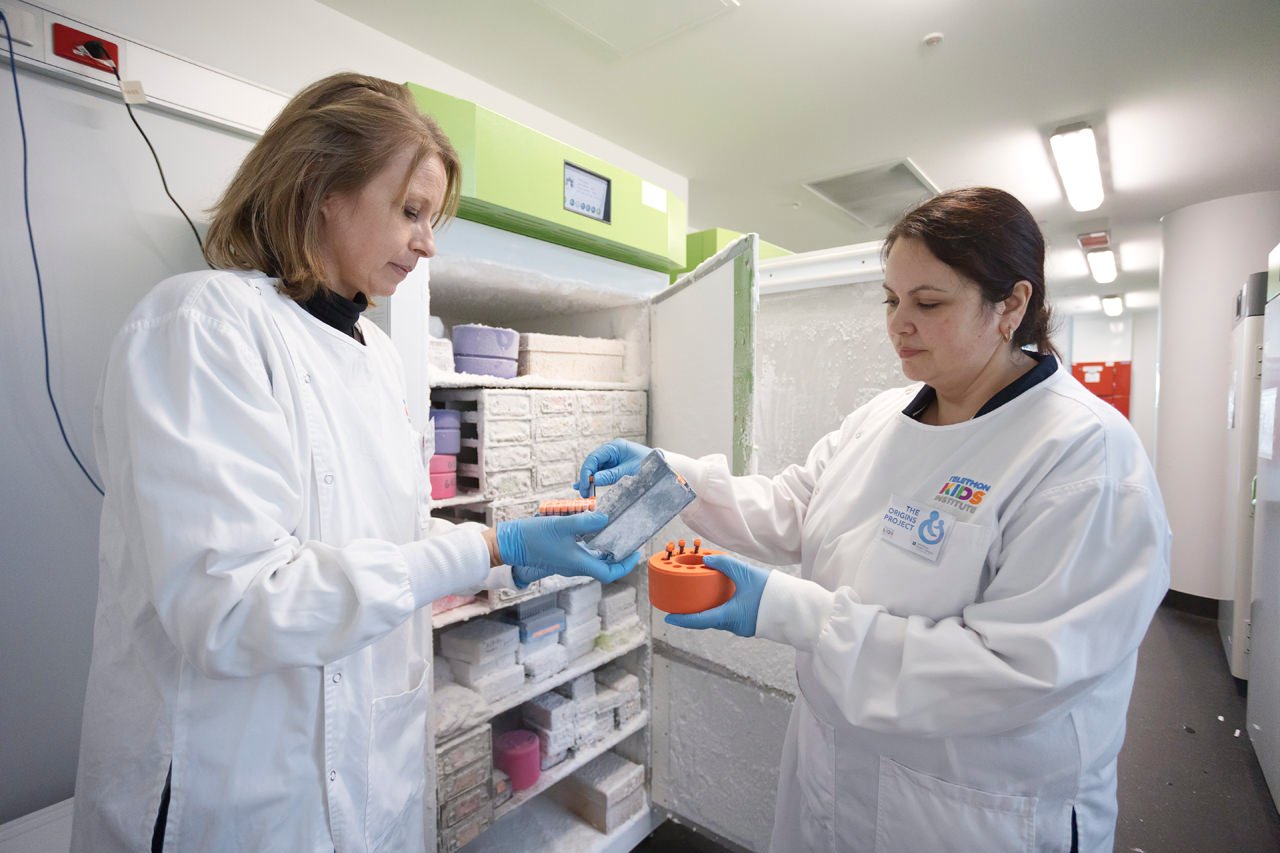
A step-by-step guide to collecting and returning ORIGINS samples
Get in Touch Dropping off a sample or attending a Kids Check appointment? Visit us at our Edgewater clinic. The Kids Joondalup Shop 51, Joondalup
Get in Touch Dropping off a sample or attending a Kids Check appointment? Visit us at our Edgewater clinic. The Kids Joondalup Shop 51, Joondalup
Get in Touch Dropping off a sample or attending a Kids Check appointment? Visit us at our Edgewater clinic. The Kids Joondalup Shop 51, Joondalup
Information about withdrawing from the study
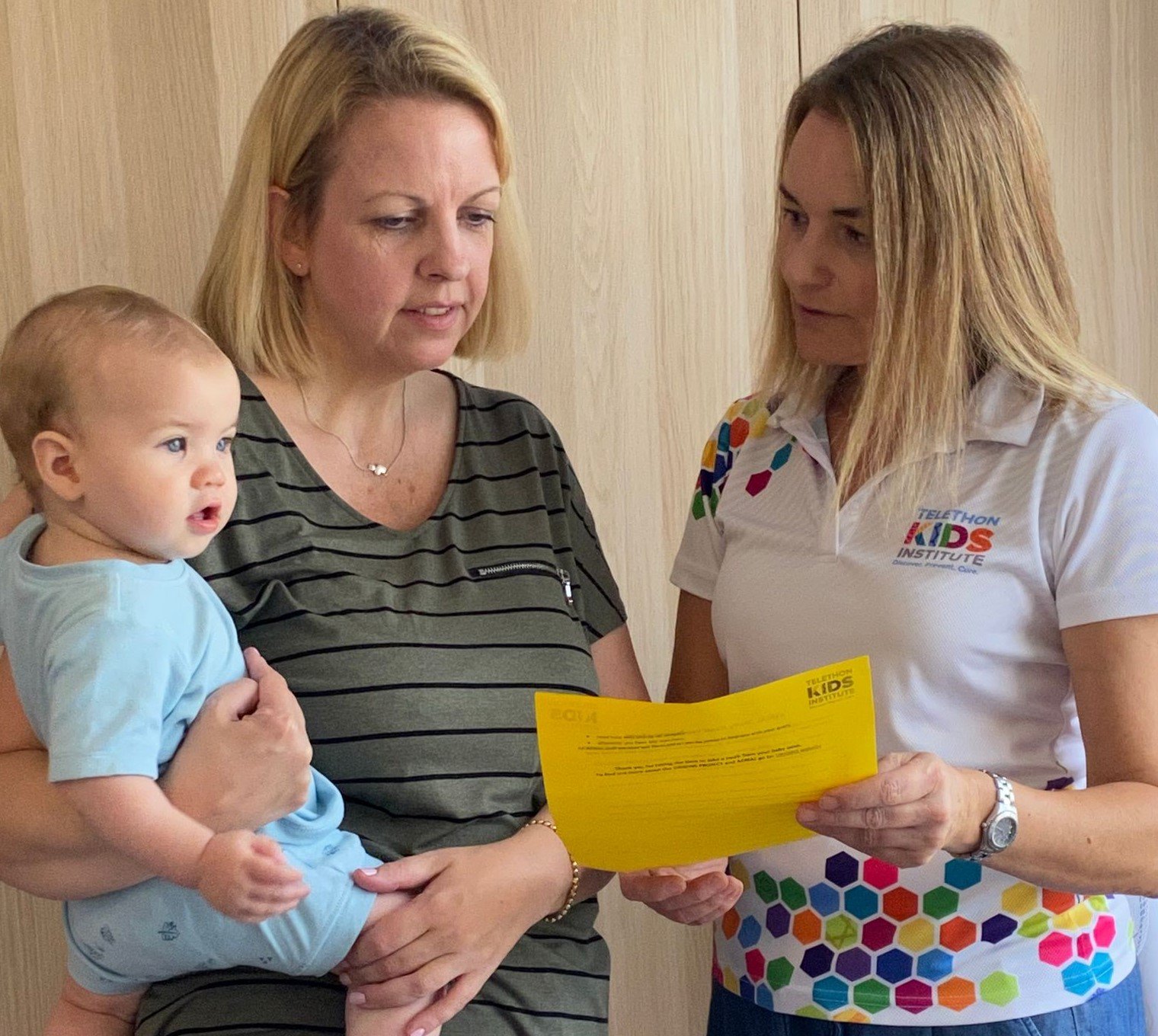
Find answers to frequently asked questions about ORIGINS.
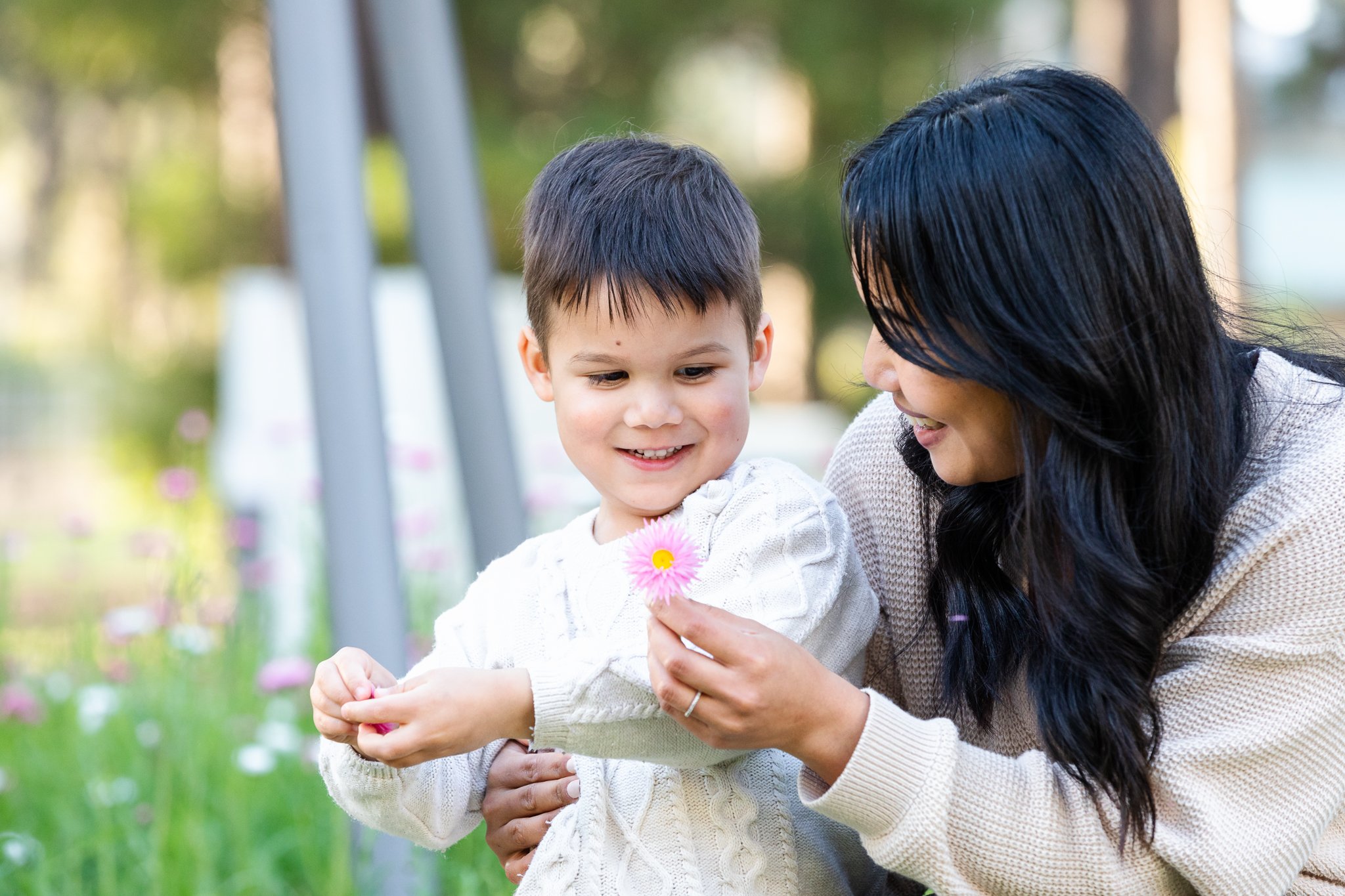
With 24% of Australian children entering school developmentally vulnerable, The Flourishing Child study is developing a tool to help parents and carers to best support their child's flourishing.
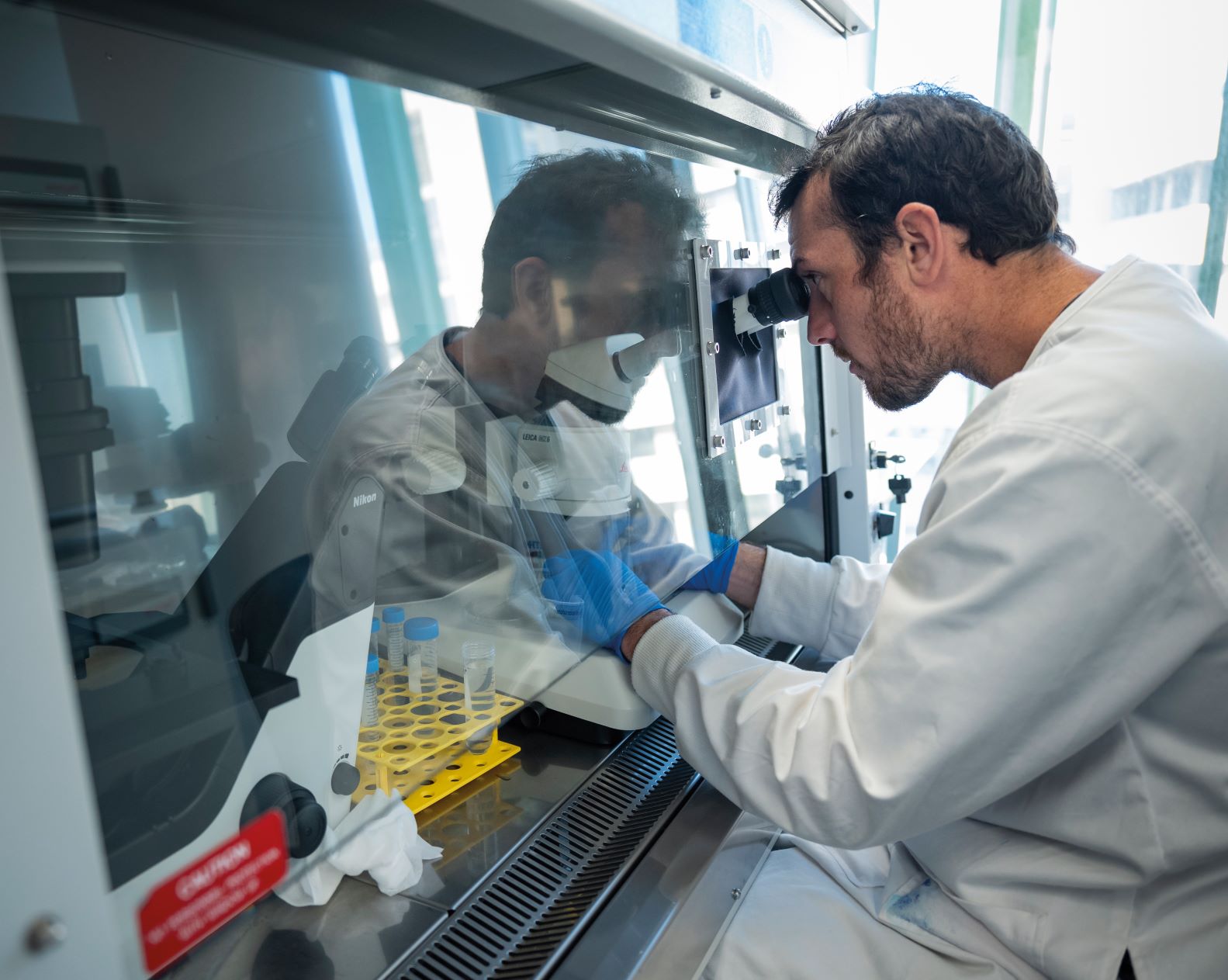
ORIGINS welcomes undergraduate, Honours, PhD, Masters, and Doctor of Medicine students, in addition to junior doctors or trainees wishing to undertake a research placement or project as part of their studies.
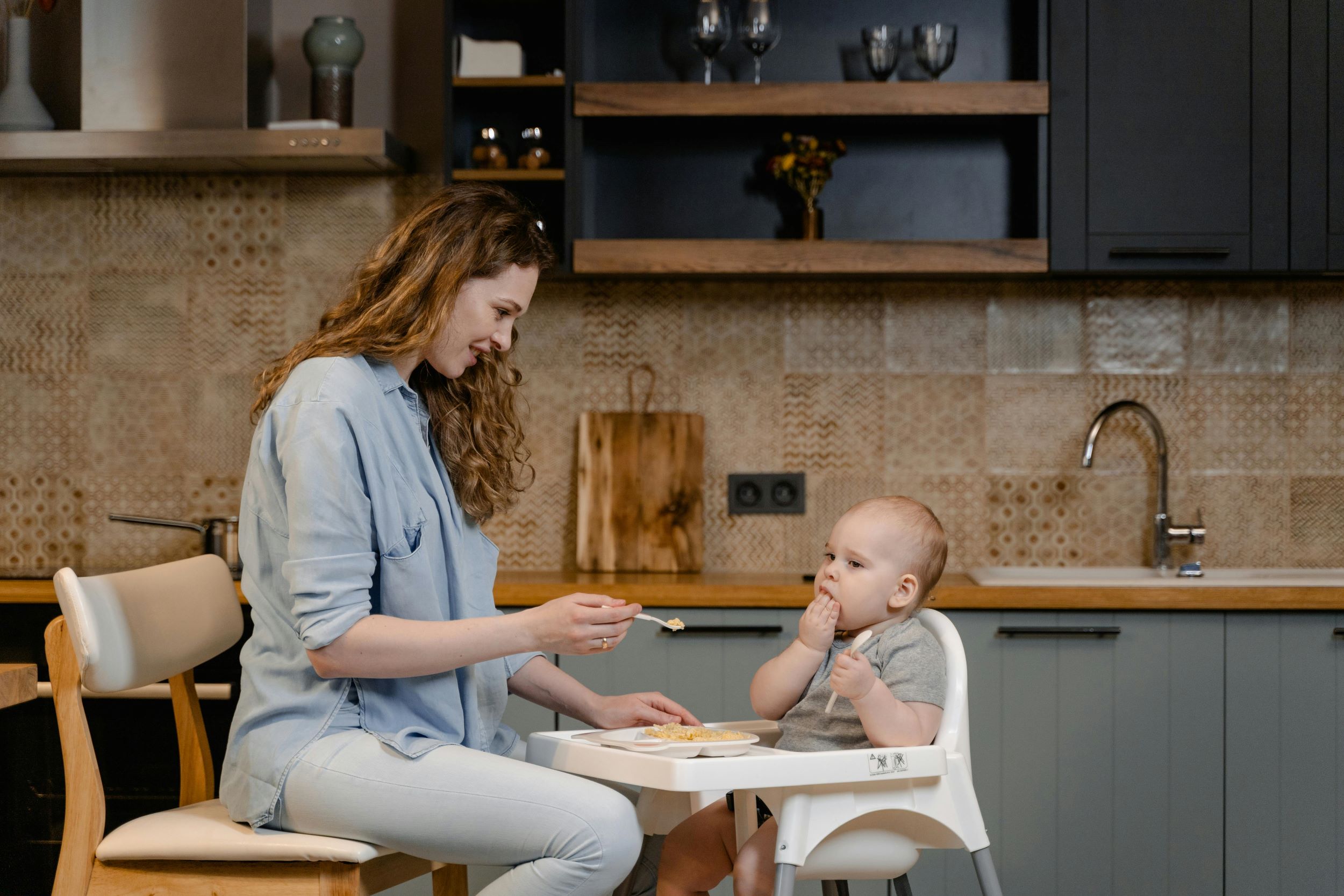
Breastfeeding and Eating Nuts and Eggs for Infant Tolerance