
Search

The Youth Mental Health team’s vision is to improve the mental health of young people, their families and communities locally, nationally, and internationally.
Yael Penelope Keely Bep Amy Helen Perry Strauss Bebbington Uink Finlay-Jones Milroy BPsych (Hons) MPsych (Clin) PhD BA, MPH, PhD MClinPsych/PhD
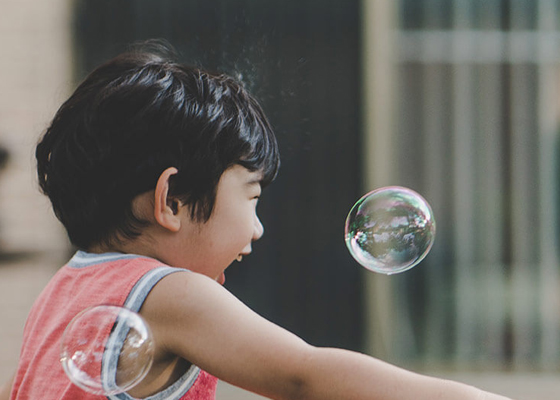
Our vision - HAPPY HEALTHY KIDS
At The Kids, our vision is simple - happy healthy kids. We bring together community, researchers, practitioners, policy makers and funders, who share our mission to improve the health, development and lives of children and young people through excellence in research.
The Kids Research Institute Australia's Statement of Commitment to Climate Change & the Environment
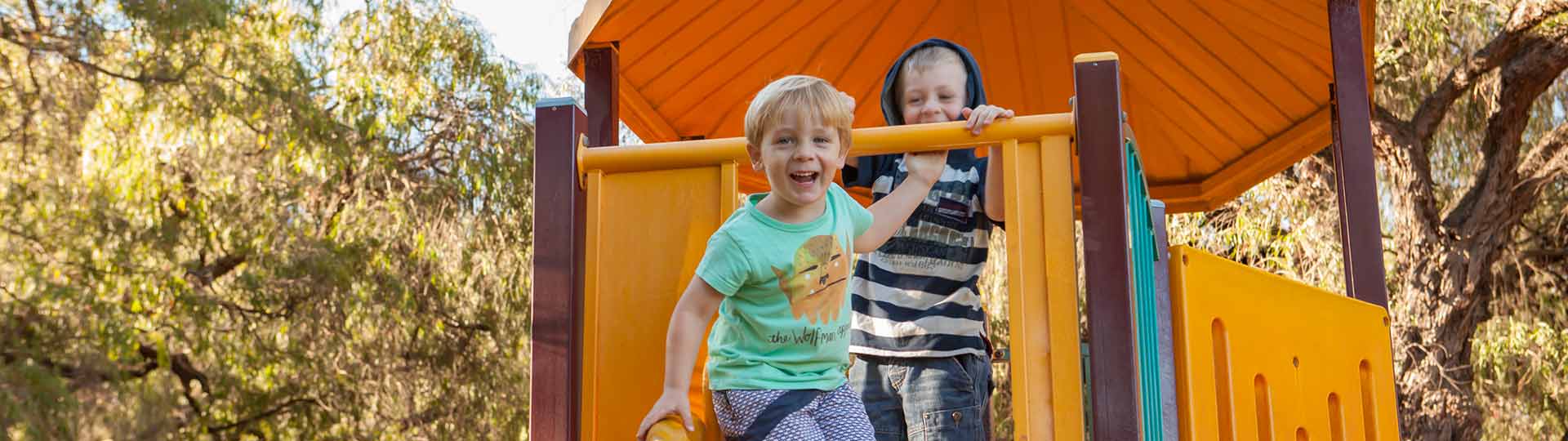
Read our most recent Annual and Impact reports or browse those from previous years.
The Kids Research Institute Australia's annual report highlights the accomplishments of our researchers, furthering our mission to secure a happier, healthier future for kids everywhere.
The Kids Research Institute Australia's annual report highlights the accomplishments of our researchers, furthering our mission to secure a happier, healthier future for kids everywhere.
The Kids Research Institute Australia's annual report highlights the accomplishments of our researchers, furthering our mission to secure a happier, healthier future for kids everywhere.