
Search
This was a five year grant from the NHMRC to build research capacity in ten Aboriginal researchers
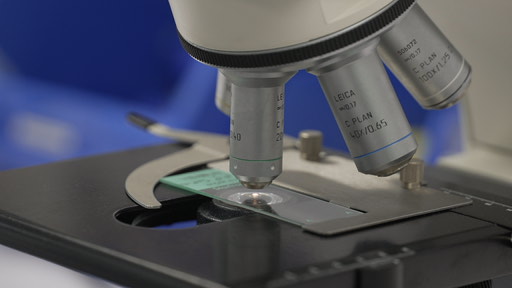
The Kids Research Institute Australia is equipped with a diverse range of histology and microscopy equipment and analysis software to facilitate state-of-the-art imaging.
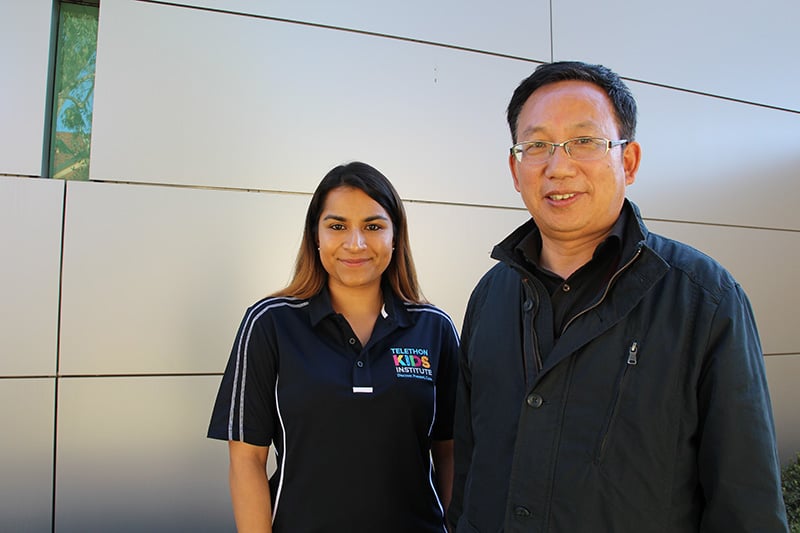
Chinese immigrants who live in a Western environment like Australia have an increased risk of allergies, hay fever and asthma, new research led by Curtin University and The Kids Research Institute Australia has found.
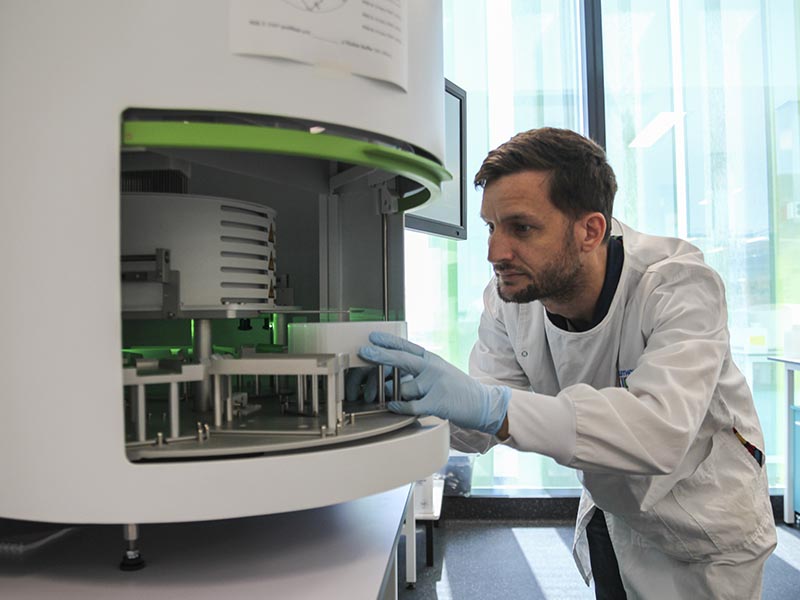
BioSpecs is a flexible service that supports laboratory research by providing expert technical assistance in pre-analytical sample processing and nucleic acid extractions.
The following maps provide a visual insight into how the number and rate of Indigenous suicides varies across different regions of Australia.
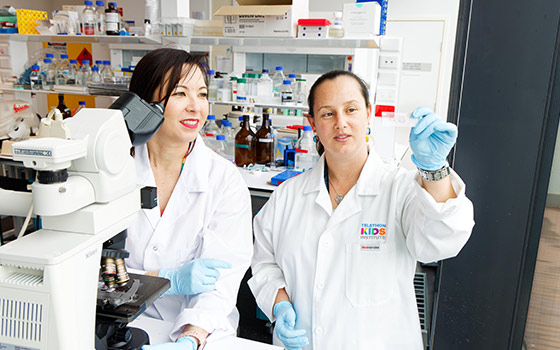
Most laboratory equipment at The Kids Research Institute Australia is owned and maintained by the Institute, in order to make this available for use by all staff and students.
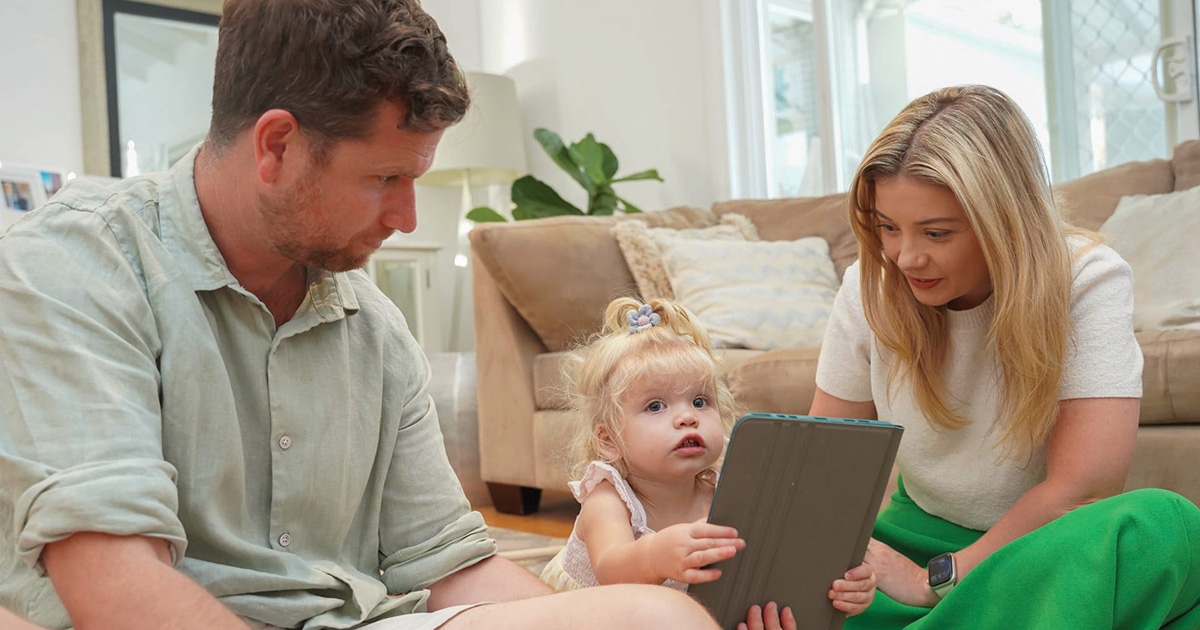
Toddlers exposed to screen time at home are hearing fewer words and making fewer vocalisations, findings from the first longitudinal study to measure the relationship between family screen use and children’s language development have shown.
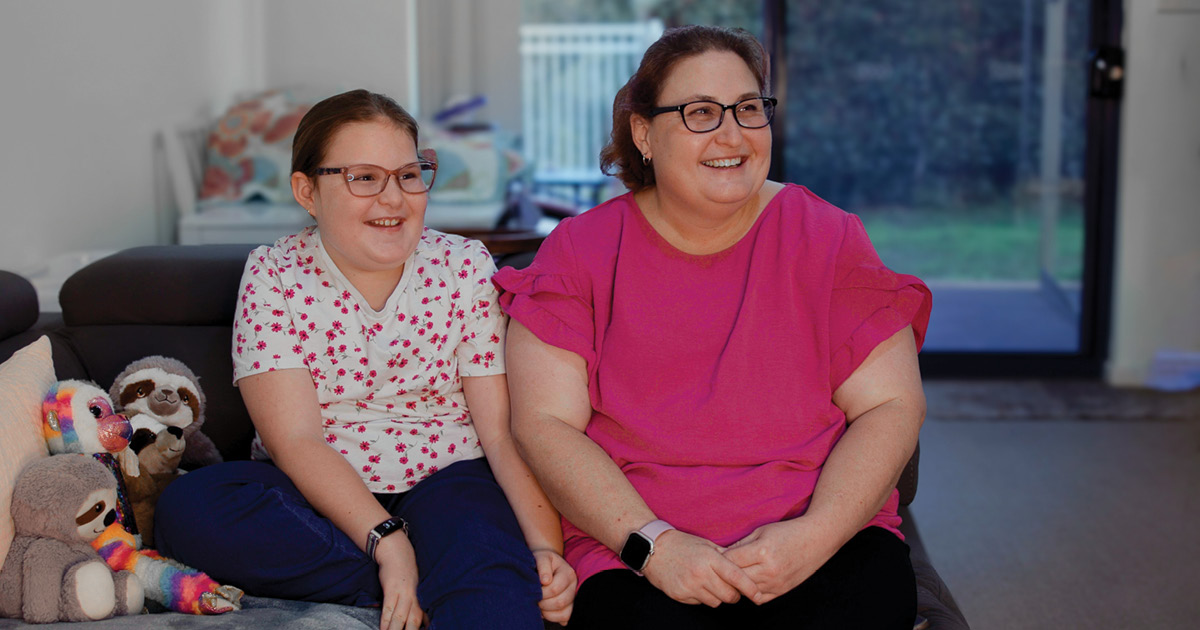
Helping children build resilience and cope with the trauma associated with medical emergencies and chronic health conditions is the focus of a promising pilot program being undertaken by The Kids Research Institute Australia.
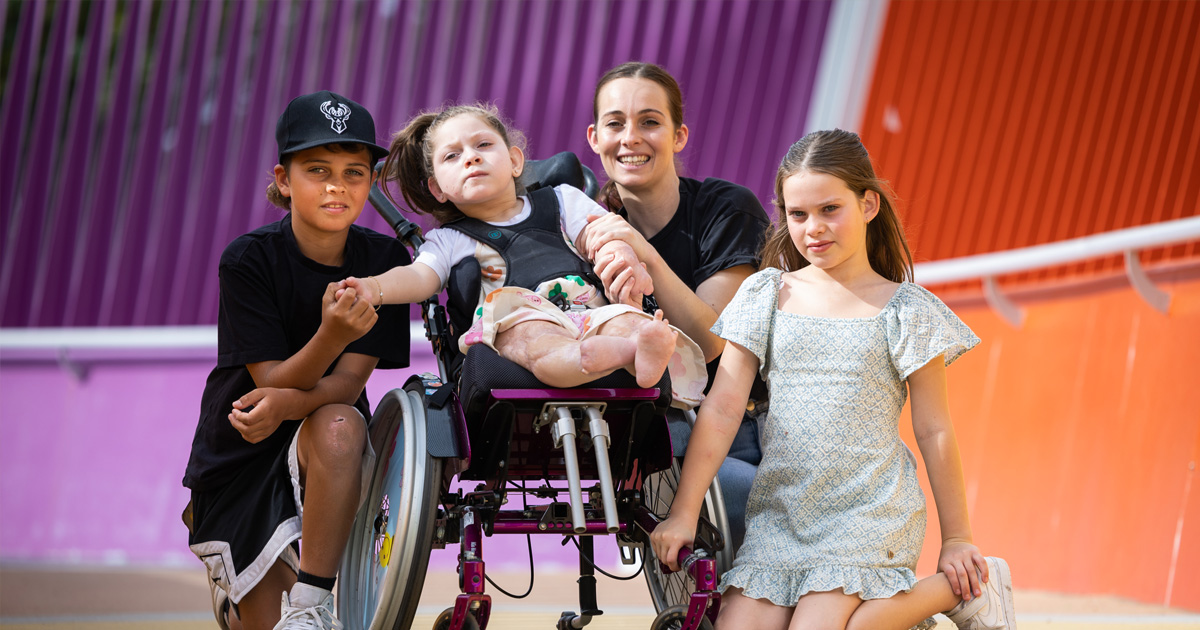
At just six months old, Tahlea Dalgety was flown from Geraldton to Perth with a slim chance of survival after contracting meningococcal disease.
Scabies infection is associated with heightened total IgE immunoglobulin and IgE antibodies to scabies antigens, with both being extremely high for crusted scabies patients. The IgE antibodies cross-react with house dust mite allergens with high reactivity found to the minor allergen arginine kinase.