
Investing in prevention to save lives: How research at The Kids is tackling sepsis
Sepsis occurs when the body's response to an infection becomes life-threatening, causing damage to organs and tissues and, in severe cases, death. This World Sepsis Day, we are highlighting the importance of investing in research to prevent, recognise and better treat the infections that can lead to sepsis.
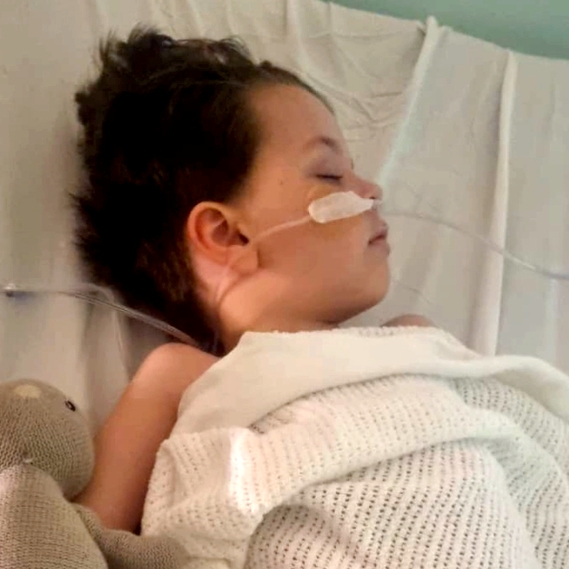
Sepsis occurs when the body's response to an infection becomes life-threatening, causing damage to organs and tissues and, in severe cases, death.
As we reflect on World Sepsis Day, we are highlighting the importance of investing in research to prevent, recognise and better treat the infections that can lead to sepsis.
This year's theme, 'Invest in Sepsis. Save Lives', is a reminder that action can make a difference at every stage, from preventing infections before they occur to recognising sepsis earlier, improving treatment and supporting recovery.
For Professor Chris Blyth, Centre Head of the Wesfarmers Centre of Vaccines and Infectious Diseases based at The Kids and Co-Head of our Infectious Diseases Epidemiology team, reducing the impact of sepsis starts with prevention.
"Sepsis is a final common pathway for many different infections. Preventing infection and recognising the early signs of sepsis provides us the best opportunities to reduce the significant harm observed with sepsis," Professor Blyth said.
By getting prevention, diagnosis and treatment right as early as possible, we can help change the course of an infection before it becomes something far more serious.
At The Kids, our researchers are tackling sepsis from multiple angles. Here are just a few examples of how we’re working to prevent, recognise and better treat this life-threatening response to infection.
Preventing infection
Many of the vaccine and infection prevention strategies being developed and studied at The Kids have the potential to reduce the burden of sepsis.
By preventing infections before they occur, we can stop some illnesses from progressing to serious and life-threatening disease.
This work reflects a fundamental principle of sepsis prevention: if we can prevent an infection in the first place, we can also prevent the potential consequences that follow.
Recognising sepsis earlier
Recognising sepsis quickly can be challenging, particularly in children. Our soon-to-launched K-TOPS project, led by Dr Isabella Joubert and Professor Andrew Currie, in partnership with Perth Children’s Hospital, Fiona Stanley Hospital and PathWest, intends to build on promising work in neonates and adults to validate new biomarkers for sepsis in children.
The project’s aim is to develop faster, more accurate tests to help clinicians rule sepsis in or out and make quicker – potentially life-saving – decisions about the care children need.
Improving infection treatment
Bloodstream infections can rapidly become life-threatening and lead to sepsis, making timely and effective treatment critical.
The Kids is helping lead clinical trials to improve treatment for serious bacterial infections, including Staphylococcus aureus bacteraemia (SAB), one of the most serious bacterial infections worldwide.
Professor Asha Bowen, Head of our Healthy Skin and ARF Prevention team, is leading the paediatric arm of the international Staphylococcus aureus Network Adaptive Platform Trial (SNAP Trial), which is investigating the best treatments for bloodstream infections caused by Staphylococcus aureus, often known as golden staph.
With more than 150 sites across the world, SNAP is the largest trial of its kind. Its paediatric and youth arm, SNAP-PY, has randomised more children and young people with Staphylococcus aureus bloodstream infection than any previous clinical trial focused on SAB, helping build the evidence needed to improve treatment and outcomes for children and young people.
Supporting children after sepsis
The impact of sepsis can continue long after a child leaves hospital.
Our researchers are investigating the complications that can follow sepsis and exploring better ways to support children and their families after discharge. Led by PhD student and CAHS sepsis clinical nurse consultant Nat Middleton and Professor Blyth, this work aims to improve understanding of families' experiences post discharge and identify opportunities to strengthen recovery and follow-up care.
Listening to Aboriginal families
Aboriginal children are at increased risk of sepsis, yet there is still much to learn about their experiences and outcomes.
Deputy Head of the Wesfarmers Centre of Vaccines and Infectious Diseases Dr Anita Campbell is co-leading our Yarning for Sepsis study, guided by Aboriginal voices and community perspectives. The study is seeking to understand the impact of sepsis on Aboriginal children and their families. By listening to families and learning from their experiences, the study aims to generate knowledge that can help improve sepsis care and follow-up for Aboriginal children and families.
First published Monday 14 September 2026.
View all news articles